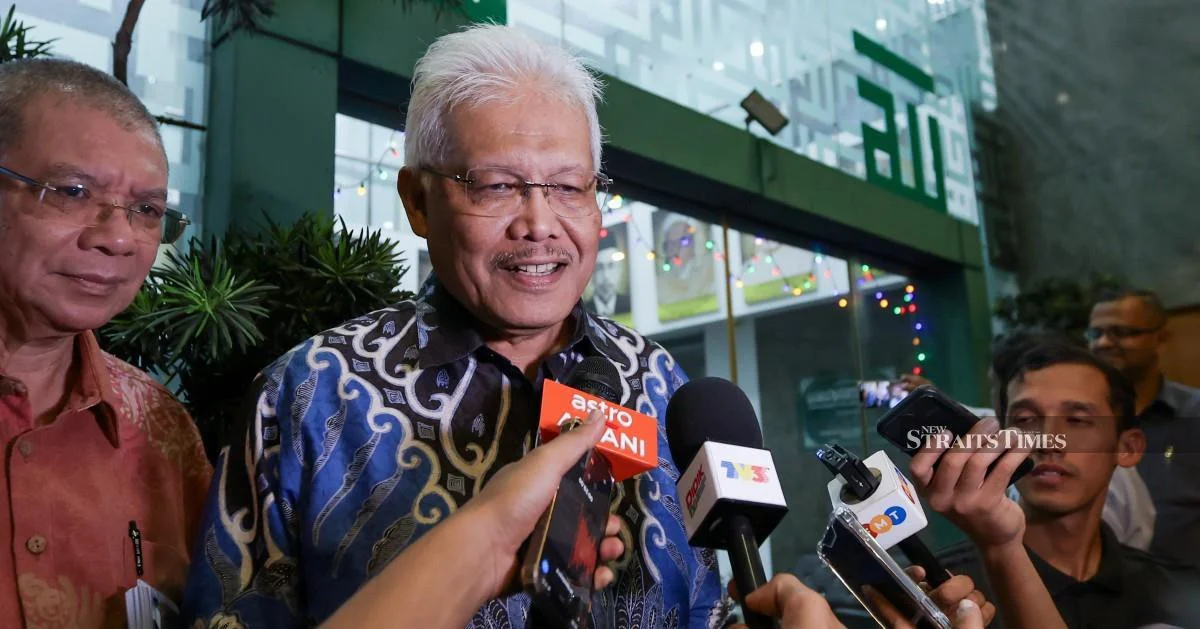
Datuk Seri Hamzah Zainudin is set to reclaim the opposition leader's seat in the Dewan Rakyat when Parliament convenes on Monday, according to newly released seating arrangements that reveal a notable restructuring of the opposition benches. The repositioning will place Tan Sri Muhyiddin Yassin, president of Bersatu, several seats away from the coveted front-row position he has occupied, signalling a meaningful change in the parliamentary dynamics that have characterised Malaysia's political landscape in recent months.
The seating chart confirmation represents a formal acknowledgement of shifting power dynamics within the opposition alliance, reflecting broader negotiations that have unfolded within coalition leadership circles. Hamzah's elevation to the principal opposition spokesperson role comes after months of repositioning within opposition ranks, during which various factions have jostled for influence and prominence in their collective challenge to the government. The arrangement demonstrates how parliamentary procedures and physical placement in the legislative chamber can serve as visible markers of political standing and authority within parliamentary groupings.
Hamzah's return to the opposition leader's position carries significance beyond mere symbolic gesture. As the opposition leader, he will serve as the primary interlocutor with government during parliamentary proceedings, holding responsibility for coordinating questioning of ministers, leading debate on key legislation, and articulating the opposition's collective stance on matters of national importance. This role grants substantial procedural influence and media visibility, positioning whoever holds it as the most prominent face of parliamentary scrutiny directed toward the government bench.
Muhyiddin's repositioning reflects the complex negotiations that have taken place within opposition circles regarding the distribution of leadership roles and representation. While his relocation down the seating row might appear diminished in status, the shift likely represents a negotiated settlement among various opposition factions seeking to balance representation among their constituent parties and leaders. The Bersatu president's role within the opposition coalition remains significant despite losing the front-line opposition leader designation, as his party continues to control substantial parliamentary numbers.
The timing of this seating arrangement adjustment offers insight into the current state of opposition cohesion and strategy. Opposition coalitions in Malaysia have historically struggled with internal tensions over leadership positions and resource distribution, making any formal reordering of precedence a matter requiring careful consensus-building. That the new arrangement has been confirmed through the official parliamentary seating chart suggests agreement has been reached among the principal opposition actors regarding the new hierarchy.
For Malaysian readers tracking parliamentary dynamics, these seating changes warrant attention because they influence how effectively opposition parties can coordinate their legislative activities. The opposition leader's position provides procedural advantages in parliamentary debate, question time allocation, and media engagement that directly impact the opposition's capacity to hold government accountable. Hamzah's assumption of this role positions him to shape public discourse around government policies and performance during parliamentary sessions, which remain important venues for political contestation despite media fragmentation.
The physical relocation of opposition figures also carries symbolic weight in a parliamentary context where television coverage and photographic imagery of the chamber influence public perception of political strength and legitimacy. Frontbench positioning conveys authority and standing, and parliamentary seating charts have historically been read by political observers as indicators of factional strength and inter-party relationships. The confirmation of this new arrangement suggests that opposition leadership has settled on a configuration that appears acceptable to its major component parties.
For regional observers of Malaysian politics, this parliamentary reshuffling demonstrates the ongoing realignment occurring within opposition ranks as parties attempt to consolidate their response to government policy initiatives. Opposition effectiveness in Southeast Asian parliaments depends significantly on internal cohesion and clear leadership structures. This seating chart adjustment indicates efforts to establish clearer lines of authority and representation within the Malaysian opposition, potentially enhancing their legislative coordination and messaging consistency.
The Monday implementation of this seating arrangement will mark the formal commencement of Hamzah's tenure as opposition leader, bringing public visibility to leadership changes that have been negotiated behind closed doors. Parliamentary sessions carry substantial weight in Malaysia's political calendar, serving as occasions when government and opposition directly engage before recorded proceedings and media scrutiny. Hamzah's formal assumption of the opposition leader's seat will position him as the pre-eminent opposition voice in these legislative forums.
Looking forward, the configuration confirmed by the seating chart will shape parliamentary dynamics for the foreseeable future, particularly regarding how the opposition coordinates its response to government legislation, budget allocations, and ministerial accountability mechanisms. The clarity provided by formal seating arrangements helps opposition parties synchronise their strategic approach and public messaging, elements essential for effective parliamentary opposition. Hamzah's position at the front of opposition benches will amplify his influence over how the opposition frames its criticisms and alternative policy proposals, making this parliamentary adjustment consequential for Malaysia's broader political trajectory.

%22%2F%3E%3C%2Fpattern%3E%3C%2Fdefs%3E%3Crect%20width%3D%22100%25%22%20height%3D%22100%25%22%20fill%3D%22url(%23ph2hy9vg)%22%2F%3E%3Crect%20width%3D%22100%25%22%20height%3D%22100%25%22%20fill%3D%22url(%23ph2hy9vp)%22%2F%3E%3Ctext%20x%3D%2250%25%22%20y%3D%2250%25%22%20text-anchor%3D%22middle%22%20dominant-baseline%3D%22central%22%20fill%3D%22rgba(255%2C255%2C255%2C0.95)%22%20font-family%3D%22Georgia%2C%20'Times%20New%20Roman'%2C%20serif%22%20font-weight%3D%22700%22%20font-size%3D%22272%22%20letter-spacing%3D%22-0.02em%22%3EAnwar%3C%2Ftext%3E%3C%2Fsvg%3E)