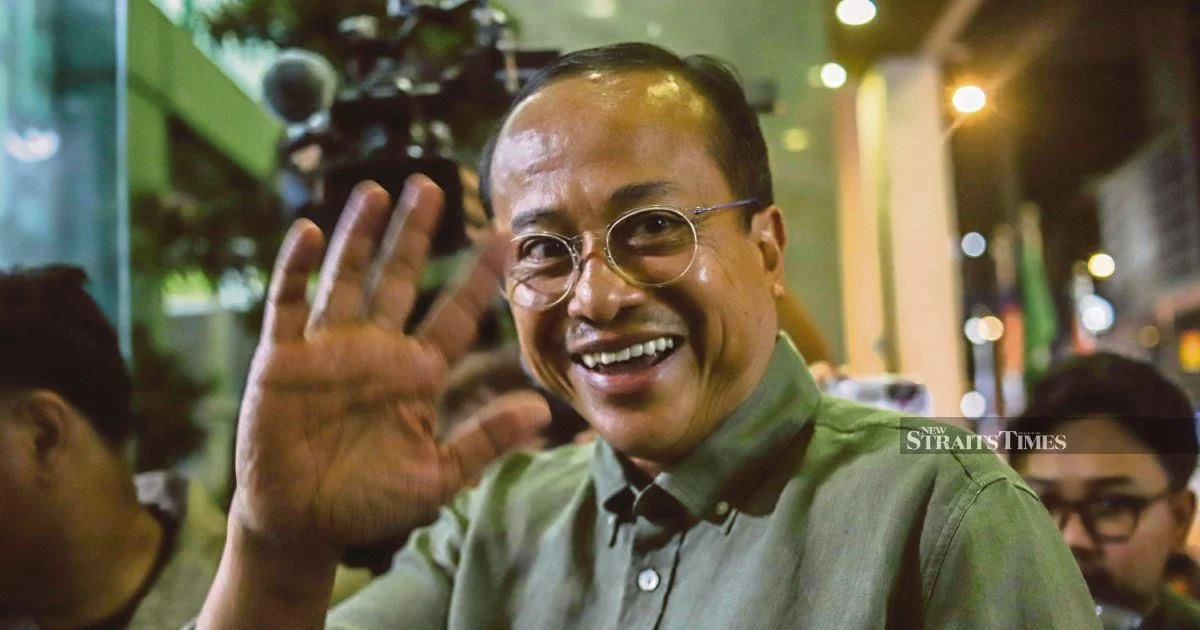
The appointment of Datuk Seri Hamzah Zainudin, the Larut Member of Parliament, as Opposition Leader has encountered an administrative stumbling block, with parliamentary officials yet to receive any official notice from Perikatan Nasional confirming his elevation to this significant position. This absence of formal notification from the coalition represents a procedural gap that highlights the distinction between political consensus and institutional formality in Malaysia's parliamentary system.
The Opposition Leader position carries substantial constitutional weight and parliamentary privilege. The role grants its holder priority speaking time, parliamentary secretariat support, and formal recognition in parliamentary proceedings. Without proper documentation submitted through established channels, the Dewan Rakyat's Speaker's office cannot formally acknowledge Hamzah's authority in this capacity, creating ambiguity about his standing during parliamentary sessions.
Hamzah previously served as Deputy Prime Minister under the Perikatan Nasional government and brings considerable political experience to any leadership position. His selection as Opposition Leader suggests a strategic decision by the coalition to elevate his public profile and parliamentary influence following electoral developments. However, the lag between political selection and administrative notification underscores how Malaysia's dual parliamentary processes—the informal realm of coalition politics and the formal realm of institutional procedure—do not always move in lockstep.
The Perikatan Nasional coalition encompasses several component parties with distinct interests, including PAS, Bersatu, and other allied partners. Coordinating such a coalition on procedural matters requires internal consensus that sometimes takes time to formalize. The delay in submitting the official notification may reflect ongoing discussions within the coalition about the precise scope of Hamzah's role or coordination with the Speaker's office regarding timing.
From a Malaysian parliamentary perspective, this situation illustrates a broader tension between substance and form. Coalition partners may view Hamzah as their leader in opposition, but without formal recognition by Parliament itself, his position lacks the institutional scaffolding that ensures his voice receives equivalent procedural weight to that of Opposition Leaders formally recognized by the chamber. This distinction becomes material during legislative business, committee work, and parliamentary debates.
For Malaysian readers, this delay carries practical implications. The Opposition Leader role in Westminster-derived systems like Malaysia's functions partly as an institutional check on executive power. The formal recognition of this position enables the Parliament to maintain procedural legitimacy and ensures that parliamentary standing reflects political reality on the ground. An unrecognised Opposition Leader effectively operates in a grey zone where his parliamentary status remains ambiguous.
The Speaker's office typically maintains records of officially designated Opposition Leaders, allowing for coordination of parliamentary business and allocation of parliamentary resources. The absence of notification prevents this institutional machinery from engaging formally with Hamzah in his claimed capacity. From the perspective of procedural governance, this creates complications for scheduling parliamentary affairs and managing parliamentary privilege.
Penikatan Nasional's apparent delay in submitting formal documentation may also reflect strategic calculations within the coalition about how prominently to position opposition politics. In Malaysia's consensus-oriented political culture, coalitions sometimes prefer to signal their positions through informal channels before committing to formal parliamentary procedure. This approach provides flexibility but can create the administrative ambiguity evident in the current situation.
The broader context matters here as well. Malaysian politics has experienced considerable fluidity in recent years, with shifting coalition alignments and government formations. In such fluid circumstances, some political actors may demonstrate caution about formalizing positions through institutional channels until ground conditions stabilize. The failure to submit a simple notification thus may signal something about the coalition's confidence in maintaining its current configuration.
Comparable situations in other Westminster parliaments suggest that formal recognition procedures, while appearing merely administrative, carry significant weight in maintaining parliamentary legitimacy and procedural clarity. The Speaker's office role as ultimate arbiter of parliamentary standing means that informal or non-notified claims to significant parliamentary positions remain just that—claims rather than institutional facts.
From Southeast Asia's broader perspective, Malaysia's experience here illustrates how coalition politics in the region must navigate between informal political arrangements and formal parliamentary procedure. Thailand, Indonesia, and the Philippines all face similar tensions as they manage coalition governments within Westminster or Westminster-adjacent parliamentary frameworks. The Malaysian case offers lessons about ensuring that coalition decisions receive proper institutional documentation.
The path forward likely involves relatively straightforward administrative action—submission of notification by Perikatan Nasional leadership to the Speaker's office, followed by formal acknowledgment. However, the very fact that this basic procedural step remains incomplete raises questions about whether the coalition has fully solidified its decision or whether internal negotiations continue. Malaysian political observers will be watching to determine whether the notification follows swiftly or whether this administrative gap reflects deeper uncertainties within Perikatan Nasional.

%22%2F%3E%3C%2Fpattern%3E%3C%2Fdefs%3E%3Crect%20width%3D%22100%25%22%20height%3D%22100%25%22%20fill%3D%22url(%23ph2hy9vg)%22%2F%3E%3Crect%20width%3D%22100%25%22%20height%3D%22100%25%22%20fill%3D%22url(%23ph2hy9vp)%22%2F%3E%3Ctext%20x%3D%2250%25%22%20y%3D%2250%25%22%20text-anchor%3D%22middle%22%20dominant-baseline%3D%22central%22%20fill%3D%22rgba(255%2C255%2C255%2C0.95)%22%20font-family%3D%22Georgia%2C%20'Times%20New%20Roman'%2C%20serif%22%20font-weight%3D%22700%22%20font-size%3D%22272%22%20letter-spacing%3D%22-0.02em%22%3EAnwar%3C%2Ftext%3E%3C%2Fsvg%3E)