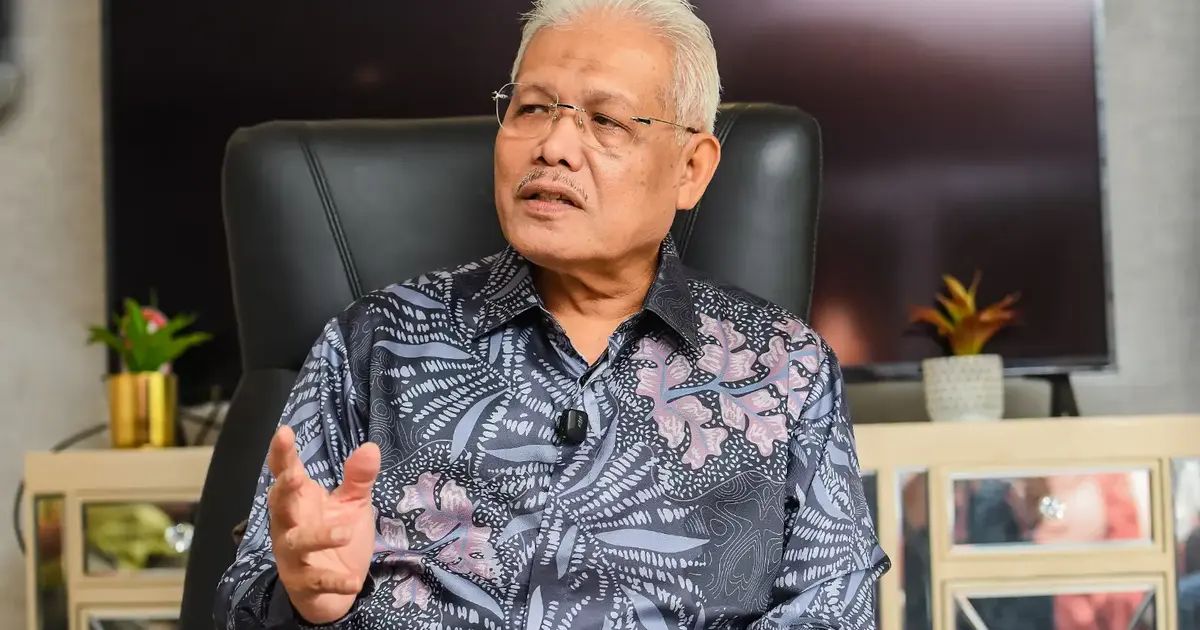
Hamzah Zainudin's re-emergence as a significant political figure within Perikatan Nasional has prompted observers to reassess the opposition coalition's trajectory and electoral positioning, particularly as the bloc prepares messaging for what would constitute Malaysia's 16th general election. Senior political analysts suggest the PAS-dominated coalition views Hamzah as instrumental in broadening the movement's appeal beyond its traditional support base and establishing a more centrist public image ahead of major electoral contests.
The strategic calculation appears rooted in Hamzah's political profile and previous experience at senior governmental levels. His background and standing within the opposition coalition are understood to position him as a figure capable of attracting voters beyond the coalition's core constituencies. This represents a deliberate recalibration by PN leadership, signalling recognition that electoral competitiveness depends on projecting pragmatism and inclusivity rather than ideological rigidity.
Political observers note that the coalition's confidence in Hamzah reflects broader strategic thinking about campaign narratives. Perikatan Nasional's leadership evidently believes that presenting him as a campaign frontrunner would reinforce messaging centred on moderate governance and technocratic competence. This messaging pivot becomes particularly significant given the competitive nature of contemporary Malaysian electoral politics, where swing voters and urban constituencies increasingly reward coalitions demonstrating centrist credentials.
The timing of Hamzah's political rehabilitation within PN circles holds considerable importance. As Malaysia's electoral calendar potentially moves towards a general election cycle, opposition coalitions typically begin intensive campaign preparation. Observers suggest that PN's elevation of Hamzah at this juncture reflects calculated positioning rather than spontaneous political developments. The coalition appears to be constructing a leadership narrative that emphasises moderation and administrative capability as counter-programming to competing electoral messages.
For Malaysian readers tracking opposition dynamics, Hamzah's reactivation underscores how significant political figures maintain relevance even after periods of relative quiescence. His integration into PN's strategic framework demonstrates the premium placed on political experience and public recognition within coalition calculations. This pattern reflects broader dynamics where established figures with prior ministerial exposure frequently find renewed political utility.
The analytical assessment regarding Hamzah's role connects to deeper questions about Perikatan Nasional's identity and electoral viability. The coalition, assembled from various political parties under PAS stewardship, has historically navigated tensions between ideological consistency and electoral pragmatism. Positioning Hamzah prominently suggests leadership decisions favouring the latter consideration, particularly regarding urban and suburban voters who may harbour reservations about coalitions perceived as pursuing narrow sectarian agendas.
Regional political observers monitor these Malaysian developments closely, recognising that opposition rebranding efforts influence Southeast Asian electoral competitiveness more broadly. The strategic choices made by major opposition coalitions in Malaysia's democracy frequently garner attention from analysts tracking political trends across the region. Perikatan Nasional's evident efforts to construct moderate positioning through leadership choices signal awareness of how contemporary Southeast Asian voters increasingly prioritise pragmatic governance narratives.
The coalition's apparent confidence in Hamzah's capacity to embody moderate positioning raises interesting questions about political perception and voter receptiveness. Analysts must consider whether leadership presentations substantially reshape voter evaluations or whether underlying partisan identities constrain such repositioning efforts. Evidence from previous Malaysian electoral cycles suggests that image rehabilitation demands sustained messaging consistency and policy alignment rather than purely symbolic leadership changes.
Internal coalition dynamics add further complexity to understanding Hamzah's strategic placement. Perikatan Nasional comprises political parties with occasionally divergent priorities and constituencies. The coalition's willingness to elevate Hamzah indicates his acceptability across constituent factions, suggesting his political positioning accommodates the diverse expectations of PN's component parties. This consensus-building around his role speaks to his significance within coalition operations.
Moving towards GE16, political observers anticipate heightened competition across Malaysia's electoral landscape. Government coalitions and opposition blocs increasingly recognise that victory margins depend on persuading marginal voters and swing constituencies. Perikatan Nasional's strategic emphasis on moderate positioning through Hamzah reflects this competitive reality. Whether such repositioning resonates sufficiently with target electorates will ultimately determine the coalition's electoral performance.
For Malaysian political followers, monitoring how Hamzah's involvement develops provides valuable insight into PN's campaign strategy and internal decision-making. His prominence offers a window into how opposition coalitions balance ideological identity with electoral necessity. The weeks and months preceding GE16 will likely reveal whether this moderate positioning strategy gains traction or whether voters respond to alternative messaging frameworks presented by competing coalitions.

%22%2F%3E%3C%2Fpattern%3E%3C%2Fdefs%3E%3Crect%20width%3D%22100%25%22%20height%3D%22100%25%22%20fill%3D%22url(%23ph2hy9vg)%22%2F%3E%3Crect%20width%3D%22100%25%22%20height%3D%22100%25%22%20fill%3D%22url(%23ph2hy9vp)%22%2F%3E%3Ctext%20x%3D%2250%25%22%20y%3D%2250%25%22%20text-anchor%3D%22middle%22%20dominant-baseline%3D%22central%22%20fill%3D%22rgba(255%2C255%2C255%2C0.95)%22%20font-family%3D%22Georgia%2C%20'Times%20New%20Roman'%2C%20serif%22%20font-weight%3D%22700%22%20font-size%3D%22272%22%20letter-spacing%3D%22-0.02em%22%3EAnwar%3C%2Ftext%3E%3C%2Fsvg%3E)