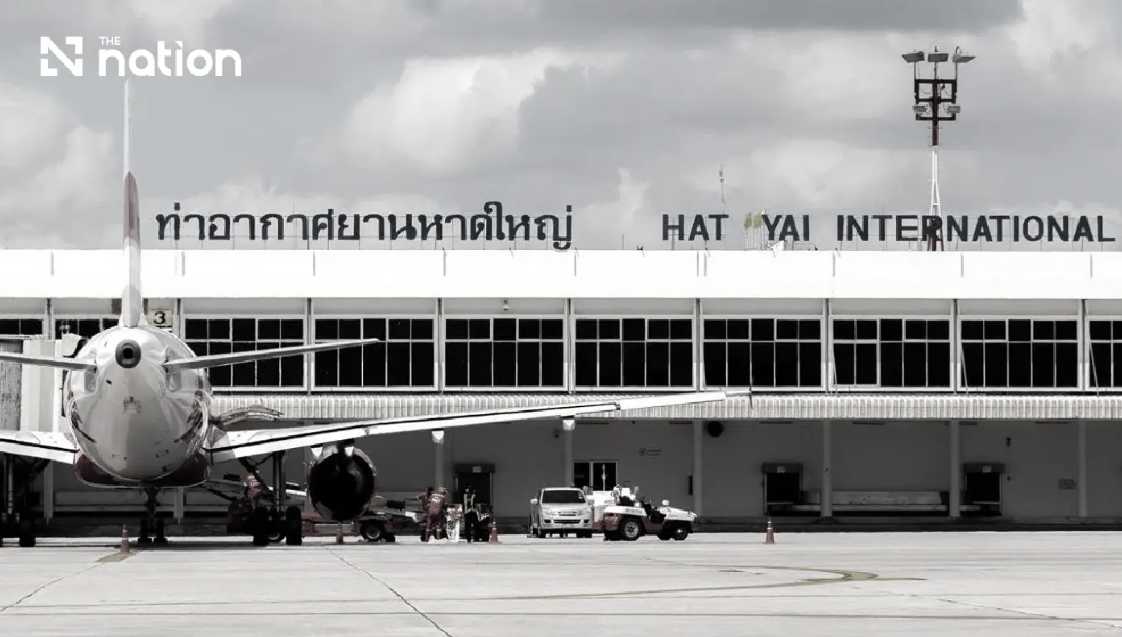
A runway closure at Hat Yai International Airport in Thailand disrupted air traffic on Wednesday afternoon after an airport fire engine became involved in an incident on the tarmac. The temporary shutdown of Runway 26, which lasted from 1.55pm to 4.30pm on June 17, forced multiple inbound aircraft to seek alternative landing sites, with Krabi Airport absorbing the diverted traffic. The disruption highlights the unpredictable operational challenges that regional aviation hubs face when ground-based incidents occur during busy flight schedules.
Airport authorities issued a NOTAM—a formal aviation notice to airmen—warning all operators of the closure and the reasons behind the decision to ground all landing operations on the affected runway. The closure was implemented strictly as a precaution to allow airport officials to manage and safely clear the incident site without compromising passenger safety. During the three-and-a-half-hour window, no aircraft could utilise Runway 26 for arrivals, effectively cutting operational capacity at the airport by roughly fifty percent depending on normal traffic patterns and the availability of alternative runway configurations.
The disruption affected commercial operations across multiple carriers. Flight-tracking data from Flightradar24 documented the real-time diversions, showing Thai Airways flight TG263 and Thai Lion Air flight SL712 being redirected to Krabi Airport as their primary destination became temporarily unusable. For passengers aboard these aircraft, the diversion meant extended flight times, potential missed connections, and uncertainty about eventual arrival times—all factors that ripple through the travel plans of businesspeople, tourists, and others dependent on schedule reliability.
Passengers travelling on affected services faced the uncertainty inherent in sudden operational changes. Airlines advised travellers to monitor their respective booking platforms and contact customer service for updates, as flight delays and itinerary modifications were anticipated consequences of the runway closure. The lack of immediate transparency from airport authorities about the specific nature of the emergency compounded passenger frustration, with one traveller noting that Hat Yai Airport provided only vague confirmation of an emergency situation without elaborating on causes or expected resolution timelines.
The incident underscores vulnerabilities within airport ground operations at regional facilities that experience high traffic volumes but may have limited redundancy in critical infrastructure. Hat Yai International Airport serves as a crucial gateway for southern Thailand, channelling passengers to destinations including Phuket, Bangkok, and throughout Southeast Asia. When incidents immobilise primary runways, the airport's capacity to manage demand diminishes sharply, forcing carriers to absorb additional costs and operational complexity associated with diversions. Krabi Airport, located approximately one hundred kilometres away, became the fallback solution, though this arrangement creates logistical challenges for ground handling, passenger transfers, and aircraft turnarounds.
The involvement of airport emergency vehicles in the incident raises broader questions about ground safety protocols and vehicular management near active runways. Fire engines and other emergency equipment must navigate airports regularly, but strict procedures govern their movements to prevent exactly these types of accidents. The specific circumstances leading to the fire engine's accident remain publicly undisclosed, though airport investigations typically examine factors including driver fatigue, visibility conditions, radio communication clarity, and adherence to established traffic patterns within the aerodrome environment.
For Thai Airways and Thai Lion Air, both carriers operating substantial service networks through southern Thailand, such disruptions create operational cascades extending well beyond the immediate diversion. Aircraft sitting on the ground in Krabi instead of progressing through their scheduled rotations generate downstream delays affecting other flights on those aircraft's daily itineraries. Crew duty time limitations under aviation regulations further complicate recovery, potentially requiring additional crew positioning or flight cancellations if operational windows close before aircraft can resume normal service.
The closure also demonstrates the interdependency of airports within Thailand's regional aviation network. Hat Yai and Krabi compete for the same passenger base and cargo business, yet in emergencies, they must function collaboratively to maintain overall system reliability. Krabi's ability to absorb Hat Yai's traffic illustrated reasonable network resilience, though such arrangements work best when neighbouring facilities maintain compatible ground handling infrastructure, terminal capacity, and ground transportation options. Malaysian travellers and operators using these routes—particularly those based in Kedah, Perlis, and northern Perak—may experience similar disruptions when using southern Thai gateways, making awareness of alternative routing options practically valuable.
The incident highlights the operational complexity confronting airports managing dual-runway facilities with intense traffic demands. Hat Yai typically handles a significant volume of domestic and regional flights, meaning any single-runway operation substantially constrains throughput. Future considerations for airport management include reviewing ground vehicle protocols, enhancing runway perimeter security to minimise unauthorised access, and potentially upgrading communication systems to provide more granular real-time updates during operational disruptions. Enhanced passenger communication protocols during emergencies could reduce uncertainty and improve customer experience when unpredictable incidents occur.
While no passenger injuries resulted from this incident, the disruption reminded stakeholders across the aviation sector—carriers, airports, and regulatory authorities—of the importance of maintaining rigorous safety standards in ground operations. Fire engines and related emergency vehicles play essential roles at airports, yet their movements require the same disciplined management applied to aircraft. As southern Thailand's aviation infrastructure continues expanding to accommodate growing demand, operators and authorities must balance operational efficiency with the safety protocols that protect lives and maintain public confidence in air travel reliability throughout the region.


%22%2F%3E%3C%2Fpattern%3E%3C%2Fdefs%3E%3Crect%20width%3D%22100%25%22%20height%3D%22100%25%22%20fill%3D%22url(%23ph2hy9vg)%22%2F%3E%3Crect%20width%3D%22100%25%22%20height%3D%22100%25%22%20fill%3D%22url(%23ph2hy9vp)%22%2F%3E%3Ctext%20x%3D%2250%25%22%20y%3D%2250%25%22%20text-anchor%3D%22middle%22%20dominant-baseline%3D%22central%22%20fill%3D%22rgba(255%2C255%2C255%2C0.95)%22%20font-family%3D%22Georgia%2C%20'Times%20New%20Roman'%2C%20serif%22%20font-weight%3D%22700%22%20font-size%3D%22272%22%20letter-spacing%3D%22-0.02em%22%3EAnwar%3C%2Ftext%3E%3C%2Fsvg%3E)