%22%2F%3E%3C%2Fpattern%3E%3C%2Fdefs%3E%3Crect%20width%3D%22100%25%22%20height%3D%22100%25%22%20fill%3D%22url(%23ph3os26g)%22%2F%3E%3Crect%20width%3D%22100%25%22%20height%3D%22100%25%22%20fill%3D%22url(%23ph3os26p)%22%2F%3E%3Ctext%20x%3D%2250%25%22%20y%3D%2250%25%22%20text-anchor%3D%22middle%22%20dominant-baseline%3D%22central%22%20fill%3D%22rgba(255%2C255%2C255%2C0.95)%22%20font-family%3D%22Georgia%2C%20'Times%20New%20Roman'%2C%20serif%22%20font-weight%3D%22700%22%20font-size%3D%22226%22%20letter-spacing%3D%22-0.02em%22%3EHAWANA%3C%2Ftext%3E%3C%2Fsvg%3E)
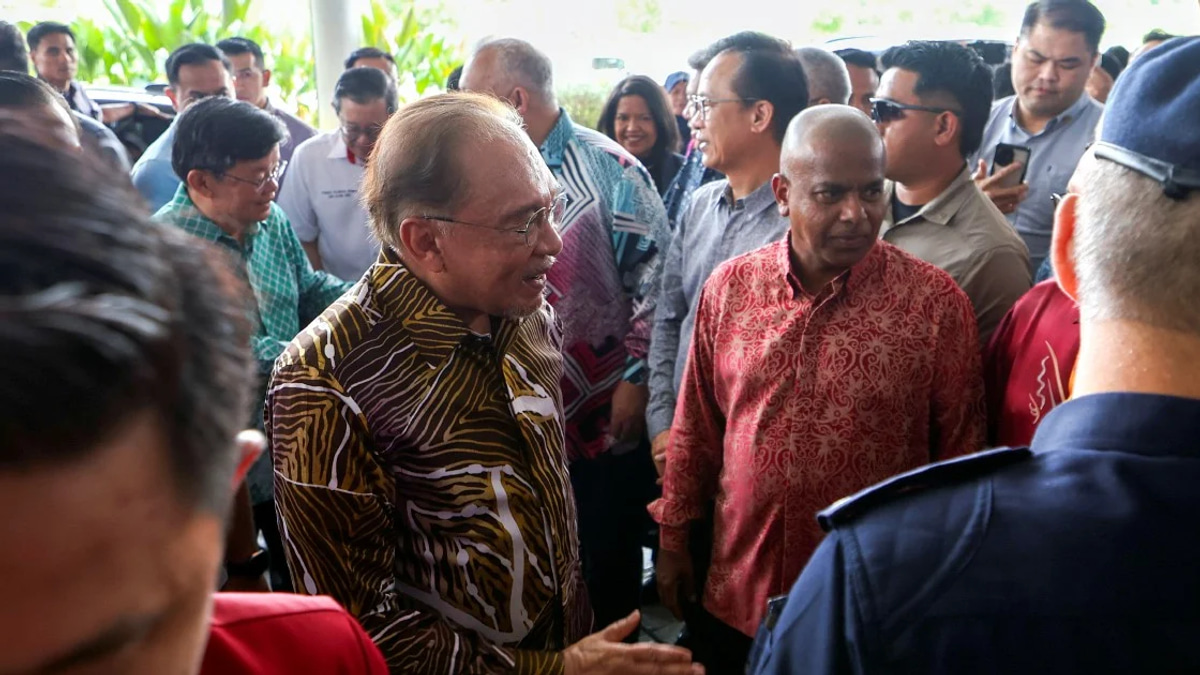
The HAWANA 2026 Summit, held at the PICCA @ Arena Butterworth Convention Centre in Penang and inaugurated by Prime Minister Datuk Seri Anwar Ibrahim, has reinforced the significance of National Journalists' Day as more than a ceremonial occasion. With approximately 1,000 media practitioners from Malaysia and several ASEAN countries convening to discuss the industry's direction, the summit demonstrates the enduring relevance of collective reflection within the journalism profession, particularly as newsrooms navigate unprecedented technological disruption.
Radio Televisyen Malaysia director-general Ashwad Ismail characterised HAWANA as the "heart" binding media practitioners together, emphasizing that the platform enables meaningful dialogue beyond mere celebration. He outlined three critical functions the annual gathering serves: providing space to acknowledge professional accomplishments, examining areas where the industry has underperformed, and understanding the external pressures shaping contemporary journalism. This framework reflects a profession grappling with questions about its role and sustainability in a landscape transformed by digital platforms and changing consumption habits.
The landscape confronting Malaysian journalists is indeed formidable. Ashwad Ismail specifically highlighted artificial intelligence, technological transformation, and emerging challenges as focal points requiring sustained industry attention. These are not abstract concerns but practical realities reshaping newsrooms daily—from algorithms determining content visibility to concerns about AI-generated misinformation and the devaluation of professional reporting. For Malaysian media organisations competing with both international outlets and local digital publishers, these pressures intensify questions about financial viability and editorial independence.
Beyond technological considerations, the summit provided an occasion for sector leaders to engage substantively with government representatives. The attendance of Communications Minister Datuk Fahmi Fadzil, Penang Chief Minister Chow Kon Yeow, and other senior officials suggests recognition at the highest levels that media sector health matters to governance and national development. The participation of Timor-Leste's Secretary of State for Social Communication Expedito Loro Dias Ximenes also indicates growing interest across Southeast Asia in professionalising journalism standards and fostering regional dialogue on media challenges.
Siti Nor Aina Omar, a communications educator at Han Chiang University College of Communication, offered perspective bridging academic and practitioner communities. Her characterisation of HAWANA as an annual recognition ceremony underscores how professional identity becomes reinforced through ritual gatherings. In an industry where journalists often work in isolation, facing criticism from multiple quarters, such occasions provide psychological and collegial sustenance. For a region where media freedom remains contested and journalists face various pressures, this affirmation of professional status carries meaningful weight.
The veteran perspective proved equally illuminating. Siti Zubaidah Zakaria, a 17-year journalist with Sinar Harian in Kedah, articulated something more pressing than celebratory rhetoric—a call for tangible improvements in journalist welfare and work conditions. Her argument that recognition must accompany material support for accuracy and truthfulness addresses a fundamental vulnerability in Malaysian journalism. Many newsrooms operate with constrained budgets, aging equipment, and staffing pressures that directly compromise reporting quality. Without addressing these structural issues, the industry risks losing experienced practitioners to migration or career switching.
The summit's theme, "Media Integrity Strengthens Credibility," carries particular resonance for the Malaysian media ecosystem. Journalistic credibility has been challenged by polarised political discourse, competing partisan narratives, and widespread scepticism about traditional media motivations. Rebuilding public trust requires not merely symbolic gestures but demonstrated commitment to rigorous standards, transparent sourcing, and accountability. The choice of this thematic focus suggests the Communications Ministry recognises that media sector health is inseparable from public confidence in institutions.
The international dimension merits closer examination. The presence of practitioners from across ASEAN reflects growing recognition that media challenges transcend borders. Digital platforms operate without regard to national boundaries, misinformation spreads instantaneously across regions, and journalists increasingly collaborate or compete across Southeast Asia. By creating a forum where Malaysian media professionals encounter counterparts from elsewhere in the region, HAWANA potentially fosters awareness of shared challenges and collective solutions. For Malaysian journalists, this exposure to regional standards and practices can elevate professional benchmarks.
Organisation by the Communications Ministry with Bernama as implementing agency reveals structural considerations about how governments support media professionalism. Bernama's role as news agency of record positions it strategically to convene journalists and shape narratives about the profession. The involvement of senior government figures, while potentially raising questions about editorial autonomy, also signals state investment in media sector development. The balance between government support and editorial independence remains perpetually delicate in Malaysia, and HAWANA's success depends partly on industry participants maintaining critical distance even as they accept official recognition.
The practical implications of affirming HAWANA's relevance extend beyond annual ceremonies. Institutions that establish regular spaces for professional reflection tend to develop stronger norms, more effective self-regulation, and clearer career pathways. For Malaysian journalism, which lacks some of the formal professional structures found in larger English-speaking media markets, such platforms gain outsized importance. HAWANA potentially functions as a substitute infrastructure for professional development, standard-setting, and dispute resolution. Strengthening this role requires moving beyond recognition ceremonies toward substantive work on ethics codes, professional development, and industry-wide discussions about journalism's future.
Looking forward, the sustainability of HAWANA depends on demonstrating concrete outcomes from its annual convening. If summits generate only ceremonial speeches without follow-up action on identified challenges, the platform's relevance will diminish. Conversely, if HAWANA becomes a vehicle for addressing welfare concerns, developing professional standards, supporting digital transition initiatives, and fostering regional cooperation, it can genuinely serve as the unifying "heart" Ashwad Ismail described. For Malaysian media practitioners confronting rapid change and mounting pressures, such a platform offers both validation and practical support—both increasingly essential for sustaining quality journalism.
%22%2F%3E%3C%2Fpattern%3E%3C%2Fdefs%3E%3Crect%20width%3D%22100%25%22%20height%3D%22100%25%22%20fill%3D%22url(%23ph3tanfg)%22%2F%3E%3Crect%20width%3D%22100%25%22%20height%3D%22100%25%22%20fill%3D%22url(%23ph3tanfp)%22%2F%3E%3Ctext%20x%3D%2250%25%22%20y%3D%2250%25%22%20text-anchor%3D%22middle%22%20dominant-baseline%3D%22central%22%20fill%3D%22rgba(255%2C255%2C255%2C0.95)%22%20font-family%3D%22Georgia%2C%20'Times%20New%20Roman'%2C%20serif%22%20font-weight%3D%22700%22%20font-size%3D%22194%22%20letter-spacing%3D%22-0.02em%22%3EVeteran%3C%2Ftext%3E%3C%2Fsvg%3E)
%22%2F%3E%3C%2Fpattern%3E%3C%2Fdefs%3E%3Crect%20width%3D%22100%25%22%20height%3D%22100%25%22%20fill%3D%22url(%23ph529pwg)%22%2F%3E%3Crect%20width%3D%22100%25%22%20height%3D%22100%25%22%20fill%3D%22url(%23ph529pwp)%22%2F%3E%3Ctext%20x%3D%2250%25%22%20y%3D%2250%25%22%20text-anchor%3D%22middle%22%20dominant-baseline%3D%22central%22%20fill%3D%22rgba(255%2C255%2C255%2C0.95)%22%20font-family%3D%22Georgia%2C%20'Times%20New%20Roman'%2C%20serif%22%20font-weight%3D%22700%22%20font-size%3D%22320%22%20letter-spacing%3D%22-0.02em%22%3ENew%3C%2Ftext%3E%3C%2Fsvg%3E)