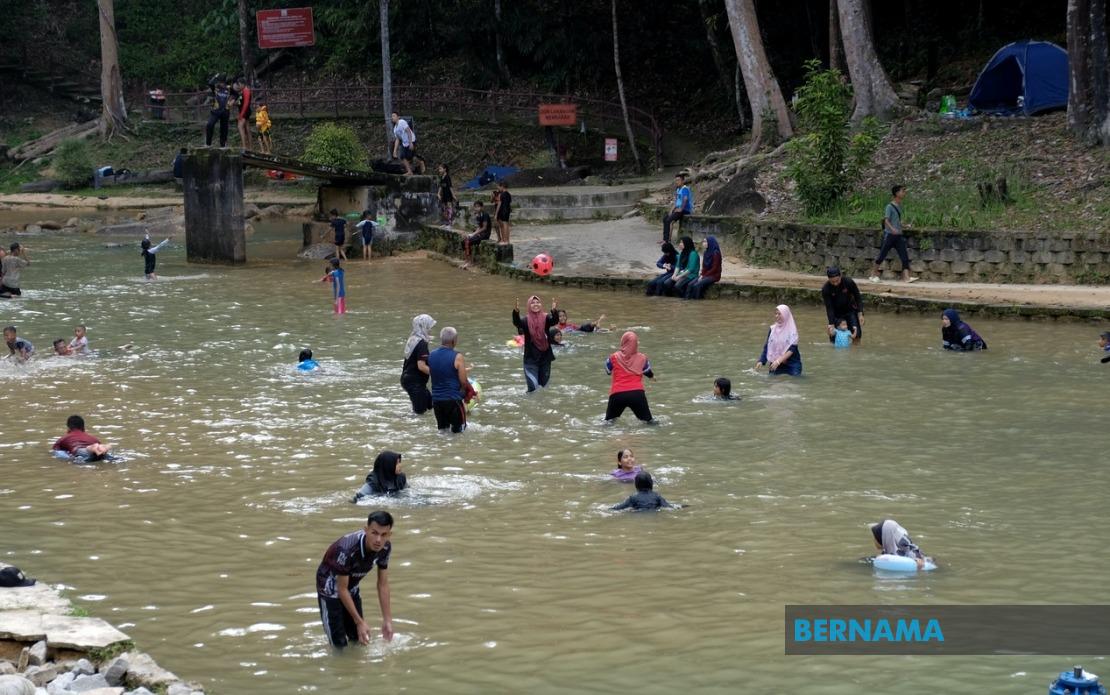
The Pahang State Health Department has launched a formal investigation into allegations that multiple visitors to a recreational area near Bentong fell ill with gastroenteritis symptoms following water exposure at Sungai Benus in Janda Baik. Reports indicate that affected individuals experienced diarrhoea, vomiting, and fever, prompting health authorities to mobilise resources for a comprehensive assessment of the situation and potential public health risks.
Initial findings from the department's risk assessment reveal a striking absence of formal notifications regarding food poisoning incidents or unexpected surges in acute gastroenteritis cases through the standard surveillance network. This discrepancy between public reports and official health records raises important questions about case detection mechanisms and whether affected individuals sought medical attention at registered facilities. The divergence also underscores how community-level health concerns may emerge through social channels before reaching formal health systems, a pattern increasingly common in the digital age.
Water quality investigations have already commenced, with environmental sampling conducted on June 14 along multiple sections of Sungai Benus. Microbiological analysis of raw water samples from the recreational area is underway, though conclusive laboratory results remain pending. This methodical approach reflects standard epidemiological practice, where environmental and clinical evidence must align before attributing illnesses to a specific source. The timeline for completing these analyses will be critical in determining whether the river water itself poses contamination risks.
The health department has simultaneously activated multiple layers of surveillance and investigative protocols to contain any potential outbreak. These measures include active case-finding among visitors, detailed epidemiological investigations to map exposure pathways and identify risk factors, and environmental assessments focused on the recreational facilities themselves. By pursuing these parallel investigations, authorities can build a comprehensive picture of whether the incidents stem from water contamination, inadequate sanitation facilities, or other environmental factors.
Enhanced monitoring has been extended to government and private healthcare facilities across the surrounding region, enabling rapid detection of any clustering patterns or unusual increases in gastroenteritis cases with epidemiological connections. This expanded surveillance network serves a dual purpose: protecting public health through early warning systems whilst gathering data that may confirm or refute community allegations. For Malaysian healthcare providers, such coordinated response demonstrates how state-level health systems mobilise resources when potential outbreaks emerge.
Concurrently, the health department is collaborating with relevant governmental agencies to conduct comprehensive water quality assessments and trace potential pollution sources. Identifying contamination origins—whether from upstream industrial activities, informal settlements, agricultural runoff, or inadequate sewage infrastructure—is essential for implementing targeted control measures that address root causes rather than symptoms alone. This multi-agency approach reflects recognition that recreational water safety involves environmental management beyond the health sector's direct authority.
For recreational operators and accommodation providers in the region, the investigation serves as a stark reminder of their responsibilities. The health department has explicitly outlined requirements for sanitation facilities, potable water supply systems, and sewage infrastructure to meet public health standards, emphasising that regular maintenance and compliance reduce waterborne disease transmission risks. Facilities operating near popular swimming areas face heightened scrutiny, particularly during monsoon seasons when water quality fluctuations are common.
The situation carries broader implications for water-based recreation across Southeast Asia, where balancing tourism development with environmental protection remains challenging. Malaysian authorities' transparent communication about ongoing investigations, pending results, and precautionary measures reflects international best practices in outbreak response. However, the gap between reported cases and officially confirmed illnesses highlights the importance of public education regarding when and where to seek medical care for gastroenteritis symptoms.
Health officials have issued clear guidance for the public: individuals experiencing diarrhoea, vomiting, abdominal pain, or fever following recreational water activities should promptly seek medical evaluation at the nearest health facility. This messaging encourages early case detection, improves clinical documentation, and strengthens epidemiological tracking. Simultaneously, authorities have urged the public to refrain from speculation and to rely exclusively on official Ministry of Health channels for information, recognising how misinformation can amplify public concern and potentially discourage affected individuals from seeking appropriate care.
The Ministry of Health has committed to ongoing surveillance and will release updates as epidemiological investigations progress and laboratory results become available. This commitment to transparent, evidence-based communication is crucial for maintaining public trust, particularly in health matters affecting recreational sites that attract families and tourists. For Malaysian readers planning visits to river recreation areas, the investigation underscores the importance of verifying current safety conditions through official health channels before engaging in water-based activities.
The Bentong incident reflects a broader global trend of heightened public awareness regarding waterborne illnesses and environmental health risks. As recreational sites become increasingly popular across Malaysia and Southeast Asia, establishing robust surveillance systems, maintaining infrastructure standards, and fostering rapid inter-agency responses becomes ever more critical. This investigation will likely inform future protocols for managing suspected outbreaks linked to recreational water exposure, potentially strengthening regional preparedness for similar situations.
Moving forward, recreational facility operators should view this investigation not as punitive but as an opportunity to demonstrate commitment to visitor safety through documented compliance with health standards and proactive environmental management. Regular water quality testing, infrastructure audits, and staff training represent investments in reputation and public confidence. For visitors, the episode serves as a timely reminder that water-based recreation, while enjoyable, carries inherent health risks that can be minimised through awareness, proper hygiene practices, and prompt medical attention if symptoms develop.


%22%2F%3E%3C%2Fpattern%3E%3C%2Fdefs%3E%3Crect%20width%3D%22100%25%22%20height%3D%22100%25%22%20fill%3D%22url(%23ph2hy9vg)%22%2F%3E%3Crect%20width%3D%22100%25%22%20height%3D%22100%25%22%20fill%3D%22url(%23ph2hy9vp)%22%2F%3E%3Ctext%20x%3D%2250%25%22%20y%3D%2250%25%22%20text-anchor%3D%22middle%22%20dominant-baseline%3D%22central%22%20fill%3D%22rgba(255%2C255%2C255%2C0.95)%22%20font-family%3D%22Georgia%2C%20'Times%20New%20Roman'%2C%20serif%22%20font-weight%3D%22700%22%20font-size%3D%22272%22%20letter-spacing%3D%22-0.02em%22%3EAnwar%3C%2Ftext%3E%3C%2Fsvg%3E)