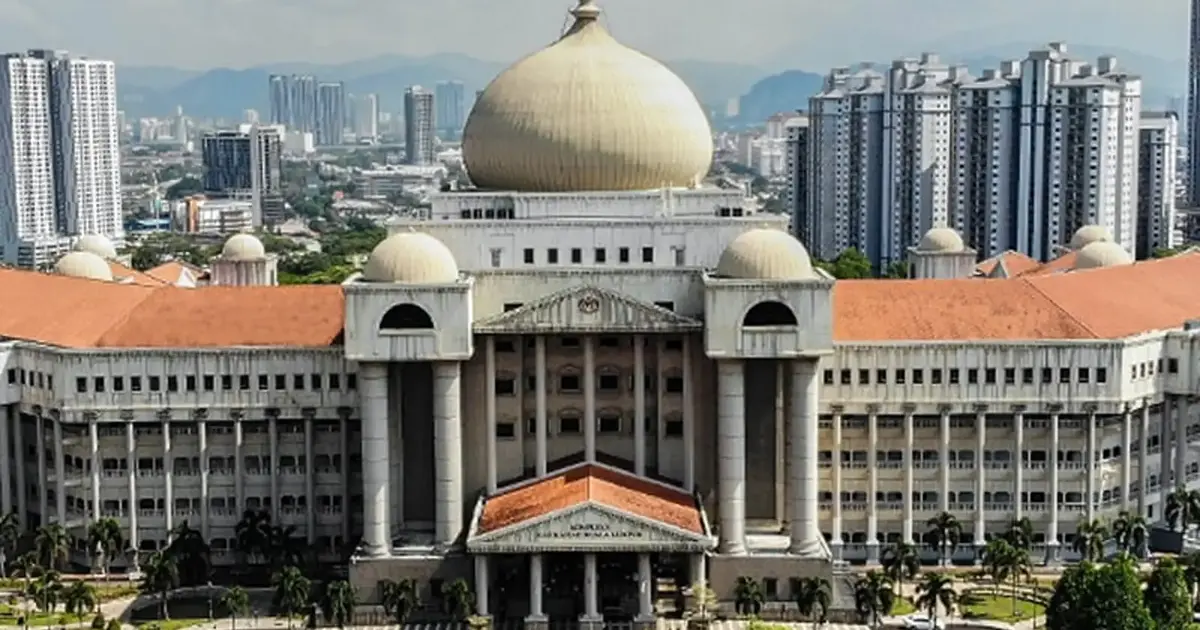
A Malaysian High Court has ruled that the prime minister is not obligated to appear as a witness in a RM30 million civil dispute, rejecting a subpoena that sought to compel his testimony. The judicial decision centred on establishing whether the nation's leader constituted a material witness whose presence was essential to the case, ultimately determining that he did not meet this threshold.
The ruling reflects broader principles governing witness requirements in Malaysian civil litigation, where courts must weigh the necessity of compelling testimony against competing public interests, particularly those involving the head of government. Judges typically apply stringent standards when determining whether sitting prime ministers or other high-ranking officials can be subpoenaed, recognising the demands placed upon those holding the highest constitutional offices.
Material witness designation requires demonstrating that a person possesses direct knowledge of facts central to disputed issues in a case. The court's decision suggested that alternative evidence or testimony from other witnesses could adequately establish the necessary facts without requiring the prime minister's personal involvement. This distinction is crucial in Malaysian jurisprudence, as it prevents the disruption of executive functions through excessive judicial demands on senior officials.
The RM30 million dispute at the centre of this case has become increasingly significant within Malaysian legal circles, particularly given the high-profile nature of the parties involved and the substantial financial stakes. While the specific origins and nature of the lawsuit remain subject to court proceedings, the ruling on witness requirements has generated considerable interest among legal practitioners and observers monitoring the intersection of executive privilege and judicial processes.
This determination carries practical implications for future civil litigation involving Malaysia's political leadership. The judgment establishes that simply occupying the office of prime minister does not automatically exempt someone from all legal obligations, yet simultaneously affirms that not every legal proceeding can override the operational requirements of high office. Courts must carefully calibrate their approach to balance access to justice with the functional independence of the executive branch.
The subpoena itself represents one tool available to litigants seeking to compel testimony from individuals with relevant knowledge. By establishing that the prime minister was not material to this particular case, the court effectively created a framework for evaluating similar requests in future disputes. This precedent-setting dimension may influence how other parties approach efforts to involve senior government figures in ongoing and future litigation.
Malaysian legal experts have noted that such rulings reflect evolving jurisprudence regarding the relationship between the judiciary and executive branches. Rather than categorical immunity, the approach emphasises proportionality and necessity. A prime minister might be compelled to testify in circumstances where his direct knowledge of material facts is genuinely indispensable, whereas cases where peripheral or non-essential information is at stake follow different parameters.
The decision also underscores the importance of skilful legal representation in navigating complex procedural questions. Lawyers representing both the witness and the party seeking testimony must present compelling arguments about materiality and necessity. The court's evaluation of these competing contentions shapes not only the immediate case outcome but potentially influences broader legal practice.
For Malaysian readers following political and legal developments, this ruling illustrates how courts continue to grapple with questions about governmental accountability and institutional independence. The case demonstrates that while the legal system maintains mechanisms to hold even the most senior officials answerable to the courts, those mechanisms are applied through carefully considered judicial reasoning rather than blanket application.
The RM30 million lawsuit itself continues through the judicial system with this procedural matter now resolved. The substantive claims and defences in the underlying dispute will proceed without requiring the prime minister's testimony, allowing the case to advance on other evidentiary grounds. This separation of procedural and substantive questions exemplifies how Malaysian courts manage complex litigation involving powerful parties.
The ruling may also have ripple effects in Malaysia's broader political and legal landscape, particularly as citizens and observers consider questions about executive accountability and transparency. While establishing that the prime minister need not testify in this particular case, the judgment does not prevent such compulsion in all circumstances, maintaining judicial discretion for future cases where circumstances might differ materially.
Regional observers of Malaysian law have noted that this decision reflects patterns emerging across Southeast Asia, where courts increasingly develop nuanced approaches to balancing executive immunity with judicial authority. Rather than adopting extreme positions favouring either absolute executive privilege or unlimited judicial reach, jurisdictions throughout the region are crafting middle-ground jurisprudence recognising both the legitimate interests of government functioning and the requirements of the rule of law.
Looking forward, this precedent will likely influence how similar disputes involving high-ranking officials proceed through Malaysian courts. The criteria established for determining materiality of witnesses in cases involving the prime minister may inform judicial reasoning in other matters involving cabinet ministers, senior civil servants, and other government officials whose time and attention are similarly constrained by public responsibilities. The balance struck here between competing institutional interests appears positioned to guide Malaysian jurisprudence for years to come.

%22%2F%3E%3C%2Fpattern%3E%3C%2Fdefs%3E%3Crect%20width%3D%22100%25%22%20height%3D%22100%25%22%20fill%3D%22url(%23ph2hy9vg)%22%2F%3E%3Crect%20width%3D%22100%25%22%20height%3D%22100%25%22%20fill%3D%22url(%23ph2hy9vp)%22%2F%3E%3Ctext%20x%3D%2250%25%22%20y%3D%2250%25%22%20text-anchor%3D%22middle%22%20dominant-baseline%3D%22central%22%20fill%3D%22rgba(255%2C255%2C255%2C0.95)%22%20font-family%3D%22Georgia%2C%20'Times%20New%20Roman'%2C%20serif%22%20font-weight%3D%22700%22%20font-size%3D%22272%22%20letter-spacing%3D%22-0.02em%22%3EAnwar%3C%2Ftext%3E%3C%2Fsvg%3E)