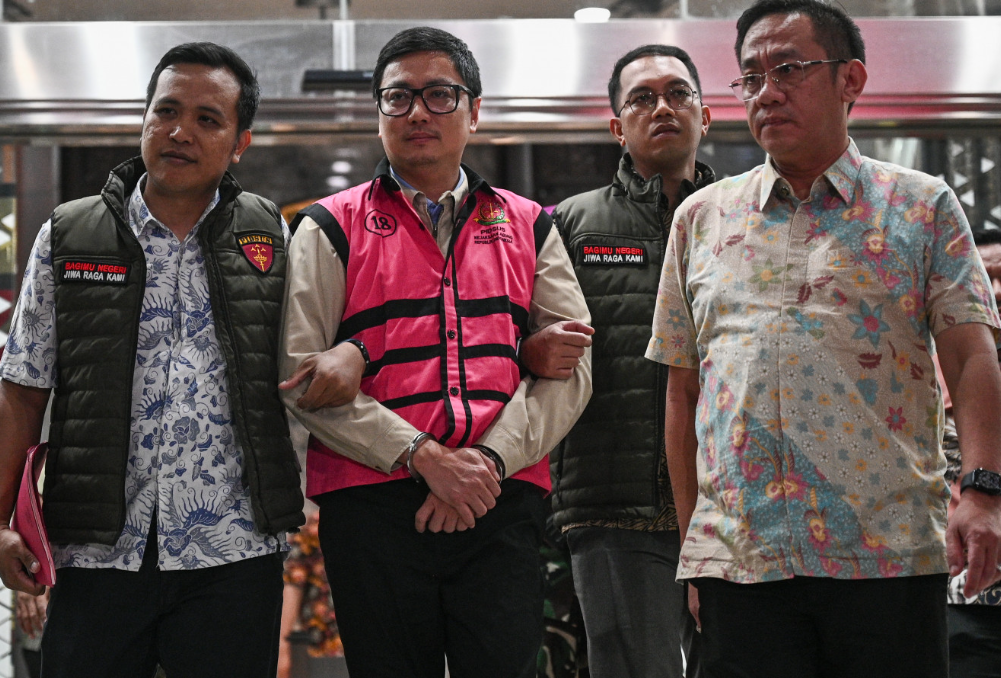
Indonesia's Attorney General's Office has widened its investigation into corruption surrounding the government's free meals initiative, arresting two additional suspects this week. The probe now involves five people, including three former leaders of the National Nutrition Agency (BGN) who were dismissed from their positions on June 3.
On Friday (June 12), authorities detained Andri Mulyono, a commissioner at logistics firm PT Yasa Artha Trimanunggal, for allegedly manipulating prices in the procurement of more than 21,000 electric motorcycles designated for programme kitchens across the country. Investigators claim Andri inflated costs to reach the Rp 1.03 trillion (US$58.2 million) budget ceiling, unlawfully benefiting from the scheme. Earlier in the week, businessman Asep Yusuf Somantri was also arrested on suspicion of using connections with former BGN deputy Sony Sonjaya to interfere with partner verification procedures and registration processes.
The arrests of former BGN head Dadan Hindayana, former deputy Lodewyk Pusung and Sony Sonjaya on June 3 came shortly after President Prabowo Subianto removed them from their posts. Investigators are now reviewing Sony's application to become a justice collaborator, through which he has indicated he could provide information about over 20 additional individuals allegedly involved in the corruption.
Finance Minister Purbaya Yudhi Sadewa has announced that no new electric motorcycle purchases will occur in 2026, attributing the earlier approvals to miscommunication within the ministry. The motorcycle procurement had attracted significant public criticism in April for appearing unnecessary.
The nationwide free meals initiative, aimed at addressing malnutrition by serving over 80 million schoolchildren and pregnant women, has faced mounting scrutiny. Since launching in early 2025, the programme has recorded at least 33,000 reported cases of mass food poisoning and numerous operational challenges. Student-led protests culminated in a demonstration on Friday demanding the programme be halted, with demonstrators calling it a misplaced governmental priority given the country's economic difficulties.
Government Communications Agency head Muhammad Qodari defended the initiative on Saturday, stating it would continue despite the challenges. He acknowledged that all large programmes encounter difficulties during implementation but argued that obstacles should prompt improvements rather than abandonment. Officials maintain the scheme remains essential for combating malnutrition.