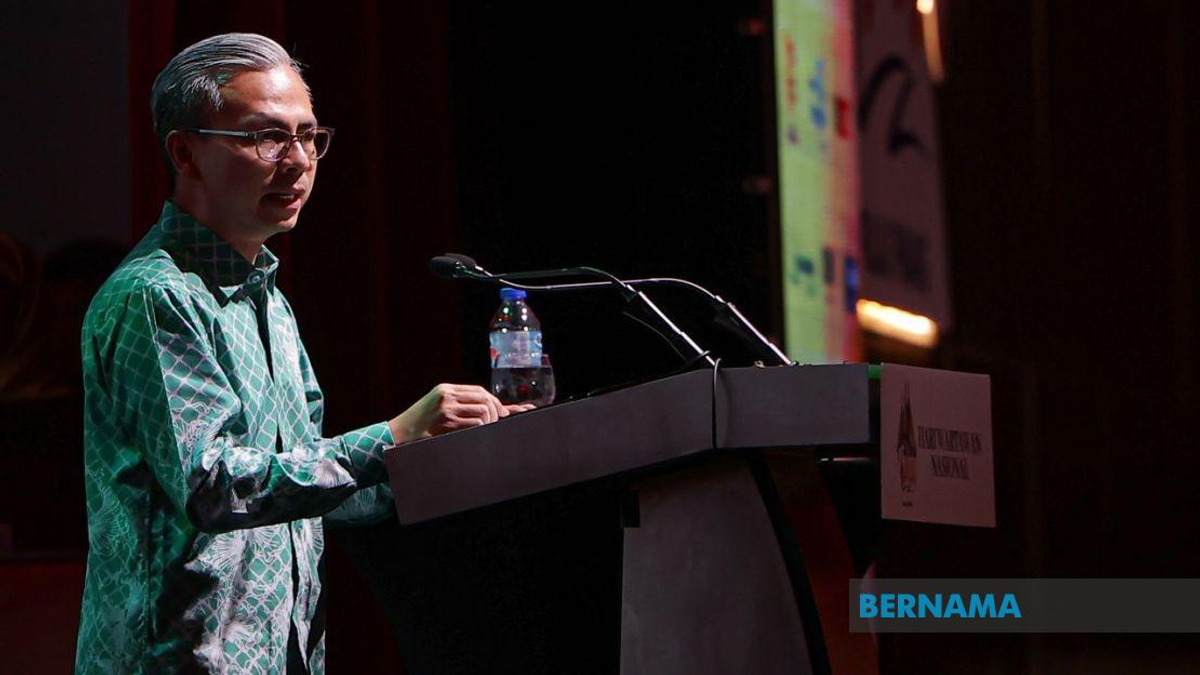
The International Sepaktakraw Federation's Disciplinary Committee has determined that there is sufficient cause to proceed with formal action against members of Thailand's sepaktakraw contingent following a controversial withdrawal during the team event final at the ISTAF Sepaktakraw World Cup 2026 in May. The decision, announced by ISTAF Secretary-General Datuk Abdul Halim Kader, represents a significant step in addressing what many view as a breach of competitive conduct that threatened to undermine the sport's standing on the international stage.
The investigation focused on the actions of five players from Thailand's third regu, who are accused of refusing to continue their match against Malaysia during the final. Alongside these athletes, disciplinary charges have been filed against two coaches and one team manager from the Thai contingent, all of whom allegedly either instructed the players to withdraw, supported the decision, or neglected to prevent it from occurring. This multi-layered approach to culpability reflects the committee's view that responsibility extends beyond individual athletes to the support staff who guide them.
The Disciplinary Committee's determination came after an exhaustive review process that examined multiple sources of evidence and perspective. Official match reports from officials present at the event were scrutinised alongside video recordings of the incident itself. The committee also considered a formal complaint submitted by the Sepak Takraw Association of Malaysia, as well as representations provided by the Thailand Sepak Takraw Association in their own defence. This comprehensive approach ensured that both sides of the dispute received fair consideration before the decision to proceed was made.
For Malaysian readers and regional observers, the significance of this disciplinary action extends beyond a single match outcome. The ISTAF has explicitly framed the need to address this matter firmly in the context of protecting sepaktakraw's reputation during upcoming major competitions, particularly the 2026 Asian Games in Nagoya and the 2030 Asian Games in Doha. As a sport that has gained considerable prominence in Southeast Asia, maintaining competitive integrity during prestigious events is essential for attracting investment, media coverage, and continued participation at the highest levels.
The procedural steps ahead are clearly defined. Formal charge letters will be delivered to all eight individuals involved by today, initiating a 14-day window during which each respondent may submit written replies addressing the allegations against them. Following this submission period, the Disciplinary Committee will conduct formal hearings where evidence will be presented and arguments heard before reaching final judgments. All proceedings will be conducted in accordance with the ISTAF Constitution and Regulations, ensuring that due process is observed throughout.
Beyond the primary charges, the committee has also issued stern warnings to seven additional Thai players from the first and second regus who were present in the court area during the incident. These players, while not directly involved in the withdrawal itself, engaged in conduct deemed potentially provocative and disruptive to the competition. Rather than facing formal charges, they have been issued warnings and required to sign commitments pledging their respect for match officials' decisions, compliance with ISTAF rules, and adherence to principles of sportsmanship.
The commitments demanded from these seven players address fundamental aspects of competitive sports conduct. They must undertake to refrain from any actions that could disrupt future competitions and to uphold the spirit of fair play during all international tournaments in which they participate. These requirements represent an attempt to reset expectations for Thai participation in international sepaktakraw and to establish clear boundaries for acceptable behaviour moving forward.
In a broader disciplinary measure, the Thailand Sepak Takraw Association itself has been requested to issue a public apology to the international sepaktakraw community and to spectators who witnessed the incident. This requirement reflects the understanding that institutional bodies bear responsibility for the conduct of their athletes and officials. The request for a public apology serves both as accountability and as a means of demonstrating commitment to restoring confidence in Thai sepaktakraw's commitment to sportsmanship.
The incident that triggered this investigation occurred on May 23 during the team event final at the ISTAF Sepaktakraw World Cup 2026. Thailand's withdrawal in protest against a referee's decision resulted in Malaysia being declared the winner by a score of 2-1. The controversy surrounding the referee's call and the subsequent Thai withdrawal represented precisely the kind of confrontation that governing bodies fear could damage the sport's credibility. For Malaysian readers, the incident also demonstrated the intensity of regional rivalry in sepaktakraw, a sport where Thailand and Malaysia maintain a longstanding competitive tradition.
The ISTAF's decision to pursue disciplinary action rather than dismiss the matter sends an important signal about the federation's commitment to maintaining standards of conduct. Sepaktakraw, while rooted in Southeast Asian tradition and culture, has developed into a sophisticated international sport with established rules, protocols, and expectations. The willingness of the governing body to hold athletes, coaches, and national associations accountable for their conduct reinforces the professional character that the sport has developed.
For the broader Southeast Asian sepaktakraw community, this case provides clarity about what constitutes unacceptable conduct in international competition. The range of responses—from formal charges for players and officials to warnings for peripheral participants to requests for institutional apologies—indicates that the ISTAF will calibrate consequences to reflect degrees of involvement and responsibility. This nuanced approach may serve as a deterrent to similar incidents in future competitions.
The upcoming formal hearings will determine what sanctions, if any, will be imposed on the charged individuals. Possible outcomes could range from fines or suspension periods to more severe penalties depending on the evidence presented and the committee's assessment of culpability. These decisions will be closely watched by national sepaktakraw associations throughout Southeast Asia and beyond, as they will establish precedent for how international disciplinary standards are applied and enforced.
Ultimately, this disciplinary process reflects a broader institutional commitment to ensuring that sepaktakraw continues to develop as a sport governed by clear rules and consistent enforcement. As the sport pursues greater recognition and participation globally, maintaining the integrity of competition becomes increasingly important. The ISTAF's actions in this case demonstrate that the federation takes its responsibility seriously, and that participation in major international sepaktakraw events comes with clear expectations regarding player and official conduct.