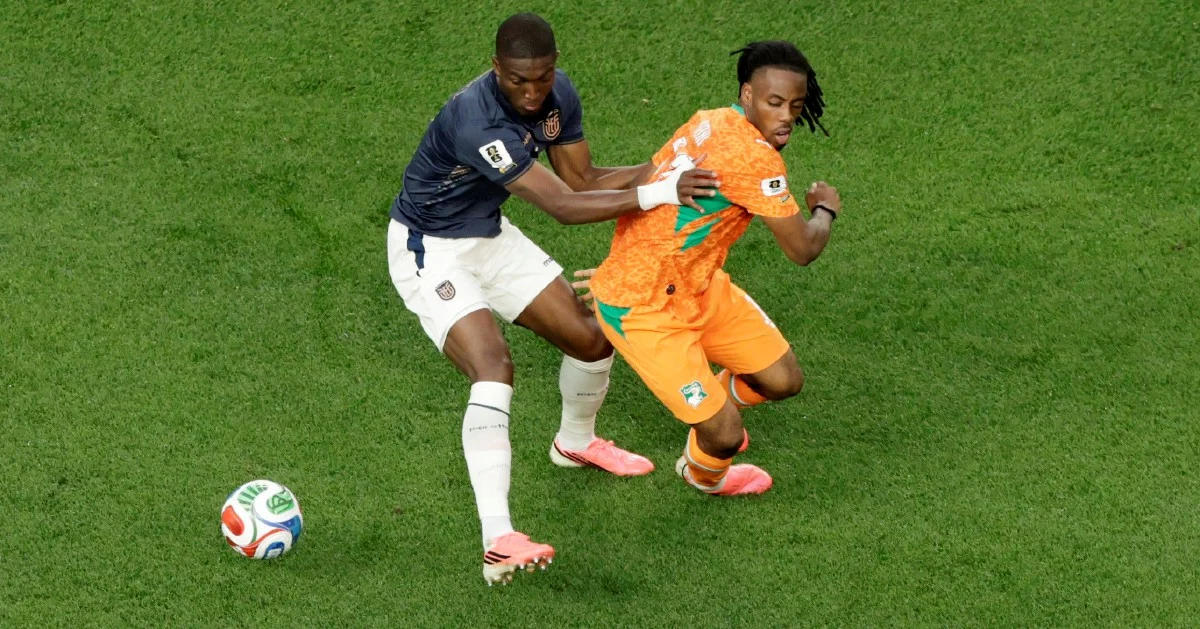
Ivorian forward Elye Wahi will not make the trip to Canada for his nation's crucial World Cup fixture against Germany this weekend, the Ivory Coast Football Federation announced on Thursday. The decision came swiftly after Wahi became entangled in an inquiry concerning suspected match-fixing activities within France's top football division, casting a shadow over the midfielder's immediate future in international football.
The circumstances surrounding Wahi's exclusion underscore the serious nature of corruption allegations in professional football. Match-fixing investigations represent one of the most damaging threats to the sport's integrity, and when they implicate players from leading African nations ahead of major tournaments, they carry ripple effects across continental competitions. For Malaysian fans and Southeast Asian observers, such scandals highlight how the integrity of global football depends on constant vigilance across all leagues and competitions.
The timing of this development proves particularly significant for the Ivory Coast's World Cup campaign. Losing a player of Wahi's calibre on short notice forces the coaching staff to reshape tactical plans and player deployment strategies. Germany represents a formidable opponent, and the Ivorian team must now prepare without one of their attacking options, potentially weakening their competitive position in the match.
The broader context of match-fixing in European football has intensified scrutiny across the continent. Ligue 1, despite its status as one of Europe's established leagues, has not been immune to corruption investigations. The involvement of prominent players in such probes demonstrates that no player, regardless of reputation or status, stands beyond the reach of regulatory bodies when allegations emerge. This sends a crucial message throughout professional football about accountability.
Wahi's exclusion reflects the Ivory Coast Football Federation's commitment to maintaining ethical standards within its squad. By acting decisively to distance the player from the national team environment pending investigation outcomes, the federation signals that it takes match-fixing allegations with the utmost seriousness. Such measures protect the credibility of the national team and demonstrate institutional responsibility.
For the broader football community in Southeast Asia, the incident reinforces the importance of anti-corruption frameworks and independent investigative bodies. Malaysian football authorities and other regional governing bodies monitor developments in European investigations closely, as lessons learned abroad often inform domestic regulatory approaches. Strengthening governance mechanisms at all levels helps prevent similar situations from emerging in regional competitions.
The World Cup remains one of football's most prestigious tournaments, and preparation intensity increases dramatically as matches approach. Wahi's absence from squad preparations removes a player who would have contributed to training regimens, team cohesion building, and tactical familiarity. The coaching staff must now accelerate integration of replacement players and adjust formations accordingly.
Match-fixing investigations typically unfold over extended periods, with authorities gathering evidence, conducting interviews, and building cases methodically. Wahi's immediate suspension from international duty does not necessarily imply guilt or final judgment but rather represents precautionary action while investigations proceed. The distinction between suspension pending investigation and formal sanctions remains important in discussions of such matters.
The ripple effects of this case extend beyond the immediate squad selection. Young players aspiring to professional careers within Ligue 1 and other prominent European leagues observe how disciplinary systems respond to corruption allegations. Clear, swift action by federations and league authorities establishes deterrents against involvement in illegal activities that undermine competitive integrity.
The Ivory Coast faces the challenge of maintaining competitive focus despite off-field complications. International teams have navigated similar situations previously, sometimes emerging stronger through collective determination to perform despite adversity. The squad's response to Wahi's absence will significantly influence their performance against Germany and momentum heading into subsequent tournament matches.
Football's governance structure relies on cooperation between national federations, league authorities, and international bodies. Information sharing and coordinated responses ensure that investigations proceed efficiently and that players face consistent standards regardless of jurisdiction. This interconnected system, while imperfect, represents football's ongoing effort to combat corruption.
As the investigation continues, other Ivorian players will shoulder increased responsibility for their team's attacking play. The absence of Wahi creates opportunity for squad depth players to demonstrate capability at the highest level. Such circumstances sometimes unearth unexpected talent and create surprising team dynamics.
The incident serves as a reminder that maintaining football's integrity requires sustained commitment from all stakeholders. From administrators implementing robust reporting systems to players understanding their obligations to competition fairness, every participant contributes to the sport's credibility. Malaysian football fans and regional observers benefit from witnessing how established federations handle such challenges, as these approaches influence how similar situations might be managed within Southeast Asian football structures.

%22%2F%3E%3C%2Fpattern%3E%3C%2Fdefs%3E%3Crect%20width%3D%22100%25%22%20height%3D%22100%25%22%20fill%3D%22url(%23ph2hy9vg)%22%2F%3E%3Crect%20width%3D%22100%25%22%20height%3D%22100%25%22%20fill%3D%22url(%23ph2hy9vp)%22%2F%3E%3Ctext%20x%3D%2250%25%22%20y%3D%2250%25%22%20text-anchor%3D%22middle%22%20dominant-baseline%3D%22central%22%20fill%3D%22rgba(255%2C255%2C255%2C0.95)%22%20font-family%3D%22Georgia%2C%20'Times%20New%20Roman'%2C%20serif%22%20font-weight%3D%22700%22%20font-size%3D%22272%22%20letter-spacing%3D%22-0.02em%22%3EAnwar%3C%2Ftext%3E%3C%2Fsvg%3E)