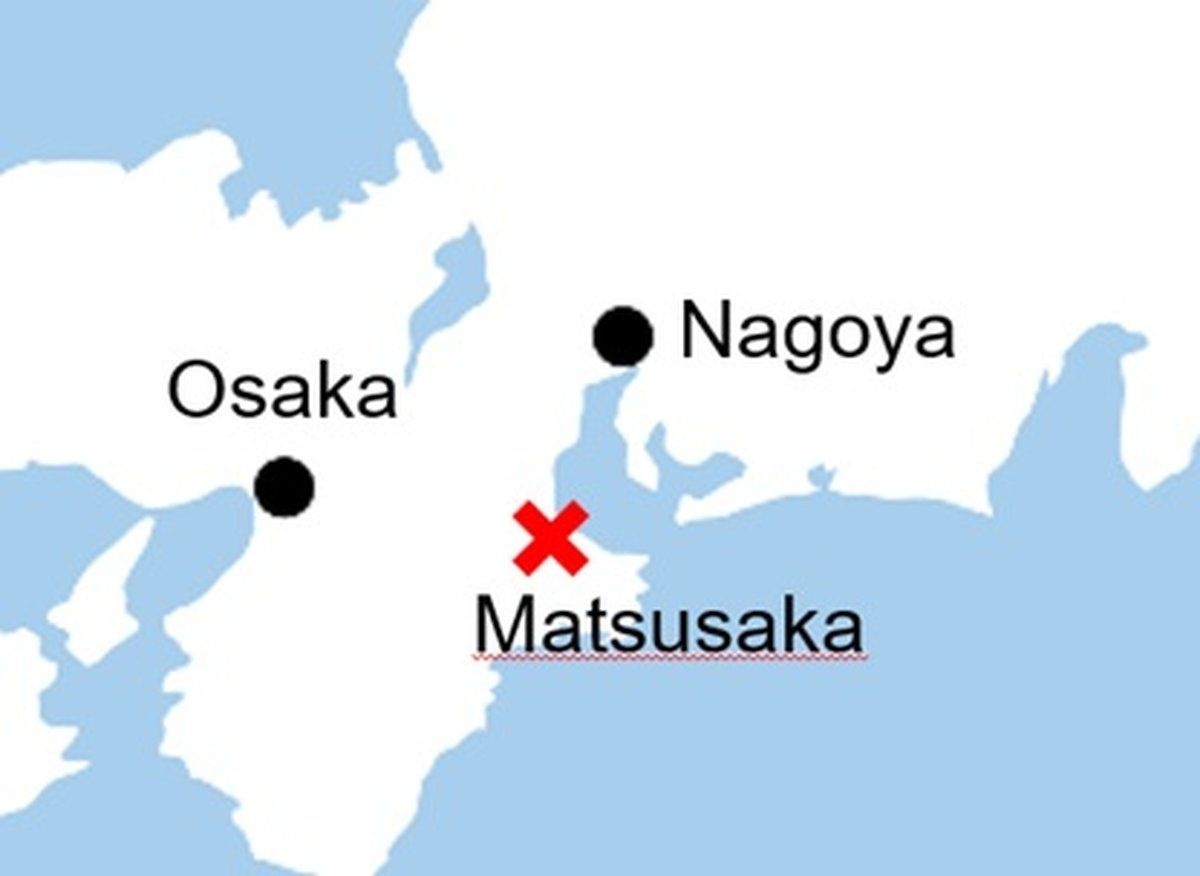
A 35-year-old resident of Matsusaka in Mie Prefecture, Japan, faces charges following his arrest on Thursday (June 18) over allegations that he confined his partner's five-year-old daughter inside a garbage can. The suspect has reportedly admitted to the serious charge, according to police investigations into what investigators have described as an act of extreme neglect and physical confinement of a minor.
The incident occurred on the evening of May 12 at the suspect's partner's home in Mie Prefecture. Law enforcement records indicate that around 6:30pm, the man allegedly transported the young girl to a garbage receptacle, placed her inside, and secured the lid, effectively trapping the child in complete darkness and confinement. The girl remained trapped within the garbage can for approximately five minutes before being released.
Remarkably, the child emerged from the ordeal without physical injuries, though the psychological impact of such an experience on a five-year-old remains a serious concern. The suspect's characterization of this action as "discipline" raises troubling questions about the nature of child abuse and the severity of physical and psychological punishment inflicted on vulnerable minors. This justification—framing the confinement as corrective parenting—demonstrates a fundamental misunderstanding of acceptable child-rearing practices and constitutes what many jurisdictions would categorize as child abuse.
The discovery of this incident came considerably later. It was not until May 20—over a week after the event—that a child welfare center became aware of what had transpired. The delayed reporting suggests either delayed disclosure by the child or other household members, or a discovery mechanism involving school or healthcare professionals. Once notified, the welfare center immediately contacted police, initiating the formal investigation that led to the June 18 arrest.
The child's welfare situation has been further addressed through protective measures. Alongside the primary victim, the girl's older sister has also been taken into protective custody of the child welfare center. This decision indicates that authorities identified broader concerns about the household environment and the safety of other minors living under the suspect's care or influence. The removal of both children signals that investigators determined the home presented ongoing risks to child safety.
This case reflects ongoing challenges within Japan's child protection system, where incidents of physical punishment and confinement sometimes escape detection for extended periods. The gap between the May 12 incident and the May 20 discovery underscores vulnerabilities in early identification mechanisms. Unlike many developed nations with mandatory reporting frameworks, Japan has historically grappled with integrating comprehensive child abuse prevention protocols across schools, healthcare providers, and community organizations.
For Malaysian readers and Southeast Asian observers, this incident carries relevance beyond its immediate Japanese context. Across the region, attitudes toward corporal punishment and disciplinary practices vary widely, with some cultures retaining acceptance of physical correction methods that international child protection standards increasingly classify as abuse. The contrast between the suspect's view of the confinement as "discipline" and the legal and welfare system's recognition of it as criminal behavior illustrates the evolving global consensus on child protection standards.
The case also highlights the importance of professional training and awareness among welfare workers, educators, and healthcare providers who regularly interact with children. In Malaysia and throughout Southeast Asia, enhancing capacity among these frontline professionals to identify signs of abuse—whether physical, psychological, or involving confinement—remains critical. The relatively rapid response of Japan's child welfare center after becoming aware suggests the value of functional reporting channels, even when initial detection takes time.
Child confinement cases, though comparatively rare in global crime statistics, represent extreme manifestations of child endangerment and psychological trauma. Research on the psychological consequences of childhood confinement demonstrates long-term impacts on development, trust, and emotional regulation. The five-minute duration, while seemingly brief, can feel interminable to a young child and carries significant psychological weight, particularly when experienced in darkness and complete isolation.
The suspect's admission to the charges may streamline legal proceedings, though Japanese prosecutors will need to establish specific charges relating to false imprisonment, child abuse, or endangerment under applicable prefectural and national statutes. The case will likely contribute to ongoing discussions within Japan about strengthening child protection legislation and enforcement, particularly regarding non-standard punishments that fall outside conventional understanding of discipline.
Moving forward, the welfare center's continued guardianship of both children will be essential to their recovery and development. The investigation's scope may extend beyond the single incident to examine patterns of behavior, other potential incidents, and the household dynamics that contributed to such severe misconduct occurring in the first place. Both children will require trauma-informed support to process the psychological impact of these events.


%22%2F%3E%3C%2Fpattern%3E%3C%2Fdefs%3E%3Crect%20width%3D%22100%25%22%20height%3D%22100%25%22%20fill%3D%22url(%23ph2hy9vg)%22%2F%3E%3Crect%20width%3D%22100%25%22%20height%3D%22100%25%22%20fill%3D%22url(%23ph2hy9vp)%22%2F%3E%3Ctext%20x%3D%2250%25%22%20y%3D%2250%25%22%20text-anchor%3D%22middle%22%20dominant-baseline%3D%22central%22%20fill%3D%22rgba(255%2C255%2C255%2C0.95)%22%20font-family%3D%22Georgia%2C%20'Times%20New%20Roman'%2C%20serif%22%20font-weight%3D%22700%22%20font-size%3D%22272%22%20letter-spacing%3D%22-0.02em%22%3EAnwar%3C%2Ftext%3E%3C%2Fsvg%3E)