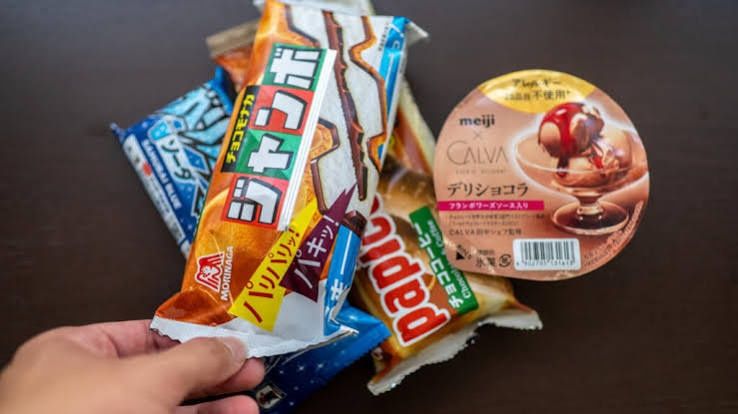
Japan's antitrust authorities have intensified scrutiny of the country's ice cream industry, conducting simultaneous raids on six of the sector's largest manufacturers as summer demand peaks. The Japan Fair Trade Commission (JFTC) searched the headquarters of Meiji Co., Morinaga Milk Industry Co., Lotte Co., Ezaki Glico Co., Morinaga & Co., and Akagi Nyugyo Co. on Tuesday, according to company statements and sources familiar with the investigation. This coordinated enforcement action signals growing concern within Tokyo's regulatory establishment about potential anticompetitive conduct in a market that generated record revenues last fiscal year.
The investigation centres on allegations that executives from the six firms engaged in sustained communications to synchronise retail price increases over several years. According to sources, company officials are believed to have exchanged emails and held meetings to coordinate both the timing and magnitude of price hikes, suggesting a deliberate strategy rather than independent market responses. Since approximately 2022, the ice cream companies have implemented price increases at remarkably similar intervals each year, a pattern that has drawn the attention of regulators and prompted this formal inquiry.
What distinguishes this case from typical price fluctuation is the question of whether the manufacturers exploited macroeconomic conditions to justify increases disproportionate to actual cost pressures. The JFTC is examining whether the companies cynically leveraged inflationary concerns to impose prices that far exceeded what would be warranted by genuine rises in raw material expenses. This dimension of the investigation reflects a sophisticated understanding of how cartels can cloak collusive behaviour behind legitimate economic narratives, a particularly concerning prospect for consumer protection.
The timing of the raids carries particular significance given Japan's economic calendar. Ice cream consumption traditionally surges during summer months, making this season critical for manufacturers' annual revenue and profitability. The JFTC's decision to move against the industry precisely when demand peaks suggests authorities wanted to disrupt any coordinated pricing mechanisms before the crucial selling season fully developed. This tactical approach maximises investigative leverage while limiting the potential damage to consumers from continued collusion.
All six companies have acknowledged the JFTC's on-site inspections and pledged cooperation with investigators. Akagi Nyugyo's representative Natsuyo Suzuki specifically confirmed the firm's willingness to engage with the process, while the other five manufacturers issued statements accepting the regulatory action. This uniform compliance posture reflects the gravity companies face when confronted with antitrust allegations, but it remains unclear whether cooperation represents genuine transparency or strategic positioning for eventual settlement negotiations.
The investigation carries substantial implications for Japan's broader regulatory environment and consumer welfare in the food and beverage sector. Price cartels in convenience items like ice cream have outsized social effects because they directly impact household spending patterns, particularly among price-sensitive consumers and families with children. The companies involved serve millions of Japanese consumers daily through retail distribution networks that make their products ubiquitous in supermarkets and convenience stores nationwide.
Context from prior years strengthens the JFTC's investigative footing. Last fiscal year ending in March, ice cream sales in Japan reached an unprecedented 660 billion yen, driven partly by extraordinary heat conditions that made 2023 the hottest summer recorded since systematic temperature tracking began in 1989. This spike in legitimate demand could mask whether price increases reflected true scarcity or strategic exploitation of consumer purchasing behaviour. Regulators appear determined to distinguish between justified and unjustified price movements during this exceptional period.
For Malaysian and Southeast Asian observers, this investigation offers instructive lessons about regulatory vigilance in fast-moving consumer goods sectors. The ice cream industry operates under similar structural conditions throughout the region, with major multinational corporations dominating distribution alongside local and regional competitors. If Japanese authorities establish cartel conduct in this comparatively transparent market, it raises questions about enforcement gaps in other ASEAN economies where antitrust scrutiny may be less developed or consistently applied.
The potential penalties facing these companies could reshape competitive dynamics throughout Japan's ice cream market. If the JFTC concludes that cartel conduct occurred, it possesses authority to mandate business practice improvements and impose financial sanctions. Such enforcement would signal that even major, internationally-recognised corporations cannot coordinate pricing with impunity in Japan. The magnitude of penalties will likely influence compliance behaviour among competitors contemplating similar arrangements in other consumer categories.
This case also illustrates how inflation narratives can obscure anticompetitive behaviour in modern economies. When price increases become widespread across industries, consumers and policymakers sometimes accept individual company actions as inevitable responses to genuine cost pressures. However, coordinated timing suggests deliberate strategy rather than passive adaptation to market conditions. Japanese regulators appear committed to penetrating such convenient explanations and holding companies accountable for collusive conduct masked by macroeconomic cover stories.
The investigation remains in preliminary stages, with the JFTC conducting evidence gathering and initial assessments. Companies have not been formally charged, and the regulatory process typically extends over months before conclusions emerge. Nonetheless, the coordinated raids themselves represent significant escalation, demonstrating that authorities possess sufficient circumstantial evidence to pursue formal investigation. Industry participants now operate under heightened scrutiny during the crucial summer selling season, potentially constraining their ability to execute planned pricing strategies.


%22%2F%3E%3C%2Fpattern%3E%3C%2Fdefs%3E%3Crect%20width%3D%22100%25%22%20height%3D%22100%25%22%20fill%3D%22url(%23ph2hy9vg)%22%2F%3E%3Crect%20width%3D%22100%25%22%20height%3D%22100%25%22%20fill%3D%22url(%23ph2hy9vp)%22%2F%3E%3Ctext%20x%3D%2250%25%22%20y%3D%2250%25%22%20text-anchor%3D%22middle%22%20dominant-baseline%3D%22central%22%20fill%3D%22rgba(255%2C255%2C255%2C0.95)%22%20font-family%3D%22Georgia%2C%20'Times%20New%20Roman'%2C%20serif%22%20font-weight%3D%22700%22%20font-size%3D%22272%22%20letter-spacing%3D%22-0.02em%22%3EAnwar%3C%2Ftext%3E%3C%2Fsvg%3E)