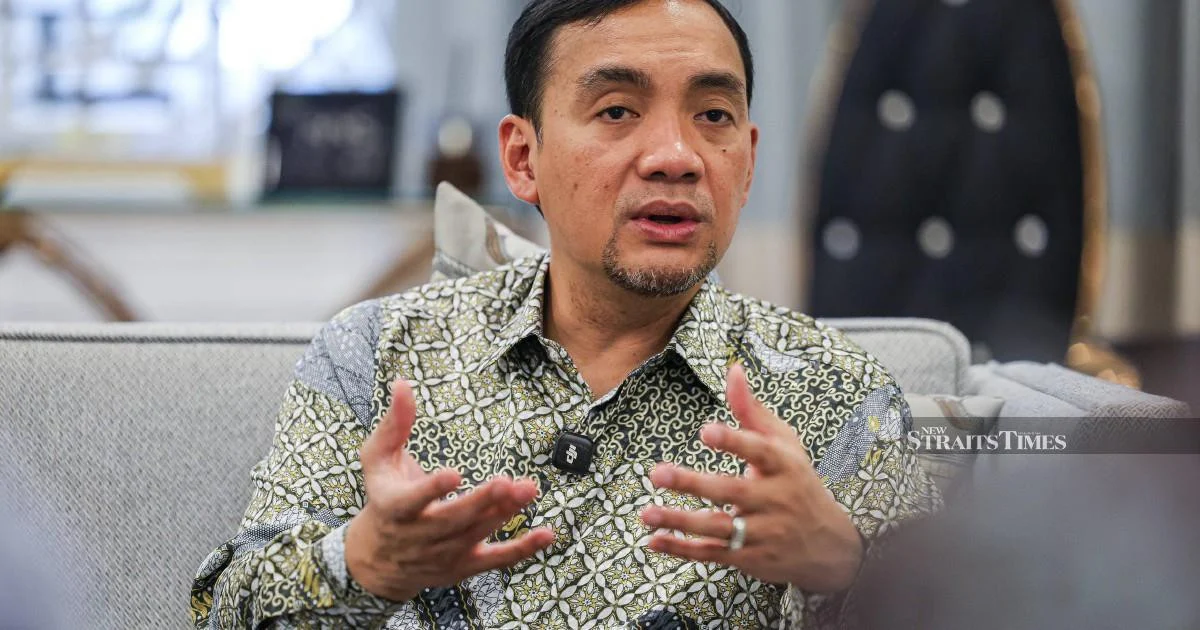
The Johor Barisan Nasional is poised to reveal its comprehensive slate of candidates for the forthcoming state election, with the formal announcement expected to take place on Saturday. This disclosure from leadership signals that weeks of internal negotiation and deliberation between the coalition's constituent parties have reached their conclusion, clearing the way for a public unveiling of the candidates who will represent the alliance across electoral divisions throughout the state.
The finalisation of Johor BN's candidate line-up marks a critical juncture in the state's political calendar. The decision-making process reflects the complex dynamics inherent in maintaining cohesion among multiple parties operating under the broader Barisan Nasional umbrella, each pressing its own candidates and territorial claims while attempting to preserve electoral unity. The successful completion of these negotiations by week's end demonstrates that stakeholders have reached acceptable compromises on the distribution of winnable seats and nominations across the state's constituencies.
For Malaysian politics more broadly, Johor's electoral contest carries outsized significance. As the nation's second-largest state by population and a traditional BN stronghold, the peninsula's southern anchor occupies a strategically vital position. The manner in which Johor BN constructs and presents its candidate roster—balancing representation across different communities, factional interests within the coalition, and the calibre of individuals selected—will heavily influence not only the state's electoral outcome but also broader perceptions of BN's organisational effectiveness and viability as a governing force nationally.
The Saturday announcement will provide voters and political observers with their first concrete look at the human faces and experience levels that Johor BN is offering to the electorate. The composition of the candidate list—whether it emphasises grassroots figures with deep community connections, seasoned administrators with proven track records, or rising talents groomed for future leadership—will speak volumes about the coalition's strategic vision for the state's governance and development trajectory over the coming electoral term.
Johor's political landscape has undergone substantial shifts in recent years, particularly following the 2022 federal elections and subsequent state-level developments. The decision-making around candidate selection thus carries implications far beyond routine administrative scheduling. Each nomination represents not merely a choice between individuals but a statement about priorities, regional balance, and the coalition's assessment of which voices and constituencies require heightened representation and investment.
The role of party leaders, particularly those managing seat allocations between BN's constituent organisations, cannot be understated. These behind-the-scenes negotiations frequently prove more consequential than the eventual electoral contests themselves, as they determine which candidates enter the field with institutional resources, goodwill, and numerical advantages. The completion of these negotiations by this week's end suggests that key stakeholders have navigated potential flashpoints and reached accommodation on contentious seat distributions.
For Southeast Asian context, Johor's election occurs within a broader regional trend of electoral activity and political repositioning across the Association of Southeast Asian Nations. Malaysia's commitment to holding regular, competitive elections maintains the country's distinctive democratic practice within the region, even as political configurations shift and realign. The transparency with which candidates are publicly announced and scrutinised reflects institutional practices that distinguish Malaysian democracy from systems elsewhere in Southeast Asia.
The timing of Saturday's announcement also allows the coalition adequate weeks to conduct campaign activities, build momentum, and communicate its platform and candidate credentials to voters across urban centres, smaller towns, and rural areas. The scheduling choice reflects strategic thinking about optimal campaign duration, public attention cycles, and the practical requirements of running sophisticated ground operations across multiple constituencies simultaneously.
For Malaysian business and investor communities, Johor's political trajectory matters considerably. The state functions as an economic engine for the nation, housing major manufacturing, port, and service sectors alongside its strategic position as a gateway to Singapore and broader ASEAN markets. The composition of BN's candidate roster will shape perceptions regarding continuity of pro-development policies, regulatory consistency, and the stability of the state administration that foreign and domestic investors evaluate when making location decisions.
The announcement of candidates will simultaneously intensify scrutiny of opposition parties' own preparations and candidate selections. Malaysian electoral contests operate within a competitive two-way or multi-way dynamic, and Johor BN's transparency in unveiling its line-up will enable rival coalitions and independent candidates to calibrate their own strategies and messaging in direct response to the coalition's positioning.
Looking ahead beyond Saturday's announcement, the coming campaign period will test whether the cohesion achieved during internal negotiations translates into effective joint campaigning across parties. The true measure of BN's candidate selection process will ultimately be determined not by the elegance of the announcement itself but by how successfully these individuals connect with voters, articulate a compelling vision for Johor's future, and convince the electorate that the coalition merits their continued confidence and support.


%22%2F%3E%3C%2Fpattern%3E%3C%2Fdefs%3E%3Crect%20width%3D%22100%25%22%20height%3D%22100%25%22%20fill%3D%22url(%23ph2hy9vg)%22%2F%3E%3Crect%20width%3D%22100%25%22%20height%3D%22100%25%22%20fill%3D%22url(%23ph2hy9vp)%22%2F%3E%3Ctext%20x%3D%2250%25%22%20y%3D%2250%25%22%20text-anchor%3D%22middle%22%20dominant-baseline%3D%22central%22%20fill%3D%22rgba(255%2C255%2C255%2C0.95)%22%20font-family%3D%22Georgia%2C%20'Times%20New%20Roman'%2C%20serif%22%20font-weight%3D%22700%22%20font-size%3D%22272%22%20letter-spacing%3D%22-0.02em%22%3EAnwar%3C%2Ftext%3E%3C%2Fsvg%3E)