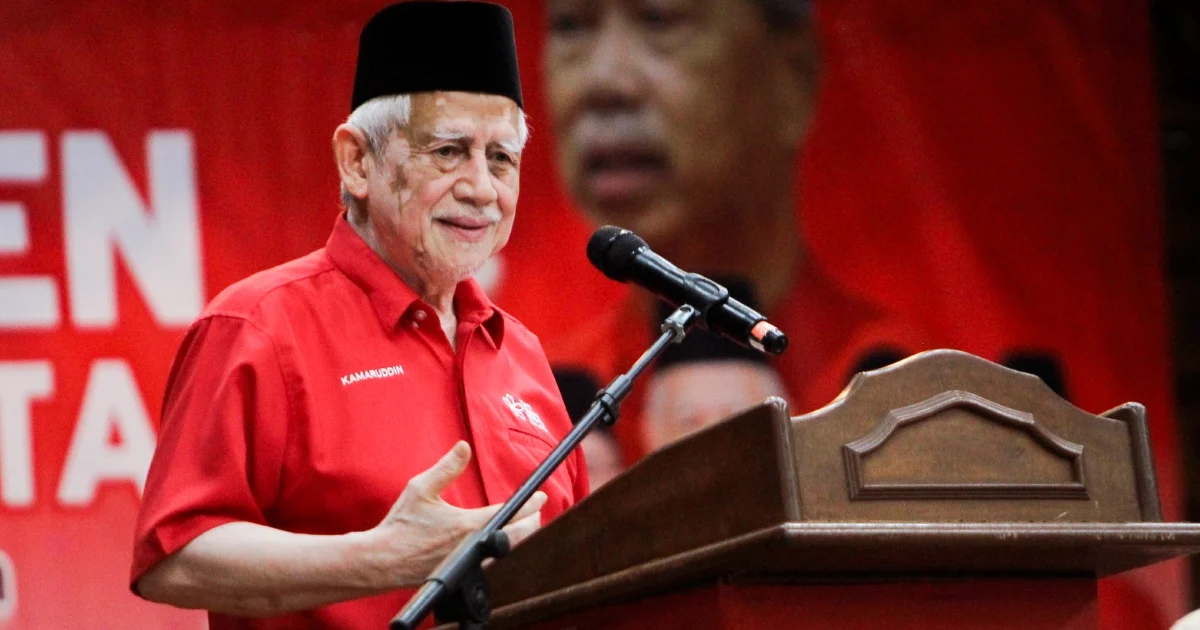
Perikatan Nasional's recent decision to exclude Datuk Seri Mohamed Azmin Ali and Datuk Dr Mohd Radzi Md Jidin from its leadership hierarchy has prompted little reaction from Kelantan Bersatu, underscoring the state chapter's apparent confidence in its own organizational standing and strategic direction amid broader coalition movements.
The move represents a significant realignment within PN's upper echelons, with the removal of two prominent figures signalling shifting priorities or internal dynamics within Malaysia's leading opposition coalition. Yet observers in Kota Baru appeared to regard the development as a matter of routine coalition adjustment rather than a crisis requiring urgent positioning or damage control from the state delegation.
This apparent equanimity from Kelantan Bersatu reflects several underlying realities about the current political landscape. The state organization has maintained operational continuity through previous national upheavals, suggesting institutional resilience that enables local party machinery to function independently from fluctuations at federal levels. Kelantan's political environment operates with distinct regional dynamics, where local actors and constituencies maintain loyalties shaped more by state-level considerations than distant federal maneuvering.
The coalition's readiness to execute leadership changes without triggering alarm bells in its grassroots components indicates either strong internal communication or a clear understanding among PN members that such restructuring falls within normal coalition management. Parties operating within multi-party alliances routinely navigate individual member-party adjustments while maintaining coherence in their shared electoral and governance agenda.
For Malaysian political observers tracking PN's trajectory, such leadership adjustments carry implications beyond mere personnel movement. They suggest that the coalition retains sufficient flexibility to refresh its upper management and address internal tensions without fragmenting or forcing regional chapters into defensive positions. This contrasts sharply with coalition breakdowns witnessed in Malaysian politics, where leadership purges often trigger cascading withdrawals and recriminations across state organizations.
Kelantan's political significance within PN's broader architecture makes the state chapter's composed response particularly noteworthy. As a traditional opposition stronghold with substantial electoral machinery, Kelantan Bersatu's acceptance of federal-level leadership changes without visible friction demonstrates confidence that coalition unity and shared electoral interests remain intact despite the reshuffled hierarchy.
The broader context of Malaysia's coalition politics suggests that removal of individual figures, however prominent, rarely destabilizes voting blocs when structural coalition mechanisms remain functional. PN's demonstrated ability to implement such changes while preserving key state chapters' engagement indicates an organization capable of managing internal transitions that might otherwise prove destabilizing to less cohesive alliances.
For political actors within Kelantan and across Southeast Asia tracking Malaysian developments, the episode illustrates how major coalitions sustain themselves through insulating regional organizations from constant fluctuations at national command levels. State-level politics maintain sufficient autonomy that leadership adjustments affecting prominently named individuals need not derail local political operations or force uncomfortable public alignments from grass-roots supporters.
The situation also underscores PN's apparent strategic maturity in distinguishing between personnel changes and fundamental coalition adjustments. Removing individuals from formal leadership lines while maintaining coalition stability requires sophisticated political management—signalling internal accountability mechanisms while avoiding the organizational hemorrhaging that characterizes fragile political alliances.
Looking forward, Kelantan Bersatu's unruffled response provides a template for how other regional chapters might approach similar federal-level transitions. The state organization's apparent ability to absorb such developments without requiring public reassurance or organizational drama suggests confidence in PN's continued relevance and its appeal to regional constituencies who maintain their electoral support independent of which particular figures hold formal titles.
The measured character of Kelantan Bersatu's reaction also reflects broader realities about Malaysian electoral politics, where coalition membership often transcends individual personalities to encompass shared policy platforms, organizational networks, and mutual electoral benefits. Even when prominent members depart or lose formal positions, the underlying calculations that bind coalition partners frequently remain intact.
As Malaysia's political alignments continue evolving through 2024 and beyond, PN's demonstrated capacity to implement leadership restructuring without triggering visible regional instability provides reassurance to observers concerned about coalition fragmentation. Kelantan Bersatu's unfazed posture suggests that PN's organizational foundations have deepened sufficiently to weather adjustments that previously might have triggered serious realignment questions.


%22%2F%3E%3C%2Fpattern%3E%3C%2Fdefs%3E%3Crect%20width%3D%22100%25%22%20height%3D%22100%25%22%20fill%3D%22url(%23ph2hy9vg)%22%2F%3E%3Crect%20width%3D%22100%25%22%20height%3D%22100%25%22%20fill%3D%22url(%23ph2hy9vp)%22%2F%3E%3Ctext%20x%3D%2250%25%22%20y%3D%2250%25%22%20text-anchor%3D%22middle%22%20dominant-baseline%3D%22central%22%20fill%3D%22rgba(255%2C255%2C255%2C0.95)%22%20font-family%3D%22Georgia%2C%20'Times%20New%20Roman'%2C%20serif%22%20font-weight%3D%22700%22%20font-size%3D%22272%22%20letter-spacing%3D%22-0.02em%22%3EAnwar%3C%2Ftext%3E%3C%2Fsvg%3E)