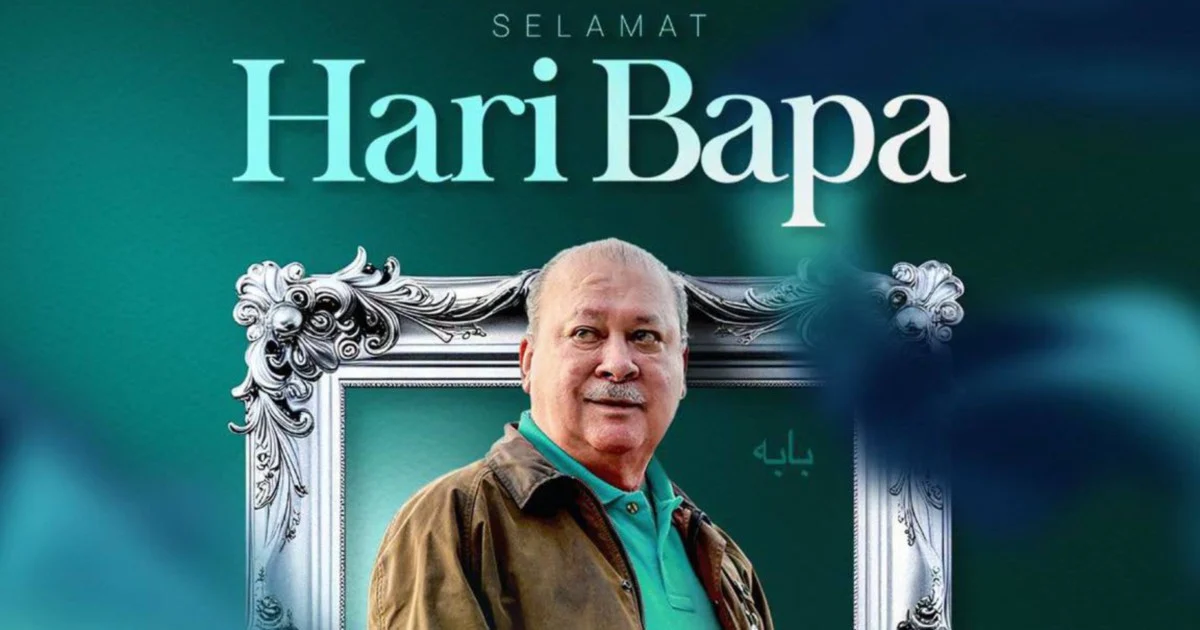
His Majesty Sultan Ibrahim, King of Malaysia, and Her Majesty Raja Zarith Sofiah, Queen of Malaysia, have offered warm greetings on Father's Day to all fathers throughout the country, joining Malaysians in celebrating the contribution of paternal figures to families and society.
The gesture reflects the royal household's continued engagement with significant national observances and the values they represent. Father's Day, observed in Malaysia and numerous countries around the world, provides an opportunity for families to acknowledge and honour the role fathers play in raising children and shaping family units. The timing of the royal message underscores the cultural and social importance placed on paternal responsibilities across Malaysian society.
Each year, the occasion brings together diverse Malaysian communities in recognition of fatherhood across all demographics and backgrounds. The celebration extends beyond biological fathers to include stepfathers, grandfathers, and other father figures who contribute meaningfully to the development and wellbeing of younger generations. This inclusive understanding of fatherhood has become increasingly prominent in contemporary Malaysian discourse surrounding family structures and social support networks.
The monarchy's public acknowledgement of Father's Day carries significance within Malaysia's constitutional framework, where the ruler serves as a symbolic figurehead representing national unity and shared values. Royal messages marking important cultural moments help reinforce societal traditions and encourage broader public participation in national observances. Through such gestures, the institution of the monarchy maintains visible connection with everyday experiences of Malaysian citizens and their families.
Father's Day celebrations in Malaysia occur against a backdrop of evolving conversations about parenting roles and family dynamics in modern society. As more women enter professional workforces and family structures diversify, the recognition of fatherhood continues to adapt, with increased emphasis on active parental engagement and emotional involvement beyond traditional economic provider roles. The royal greeting provides a platform for reflecting on these changing social contexts.
For many Malaysian families, Father's Day represents a meaningful occasion to express gratitude and strengthen family bonds during a designated period each year. Schools, community organisations, and businesses often incorporate special events and activities into their schedules to mark the celebration. Children across the country typically prepare gifts and cards for their fathers, while extended family members gather for special meals and gatherings honouring the occasion.
The message from the palace reaches Malaysians of varying backgrounds, religions, and regions, serving as a unifying gesture across the nation's diverse population. Given Malaysia's multicultural character, national observances provide important platforms for cohesion and shared participation. The royal family's active engagement with such occasions reinforces the message that paternal contributions deserve recognition regardless of ethnic, religious, or socioeconomic background.
Father's Day greetings from the highest levels of government and the monarchy also carry an implicit endorsement of family-centred values within Malaysian society. Such messaging complements various government initiatives and programmes aimed at strengthening family institutions and promoting responsible parenthood. The official recognition helps elevate conversations about fatherhood from purely personal or family matters to topics of broader national concern.
The gesture by His Majesty Sultan Ibrahim and Her Majesty Raja Zarith Sofiah adds to a tradition of royal engagement with significant national occasions throughout the Malaysian calendar. The monarchy regularly acknowledges moments of cultural and social importance, maintaining visible presence within the national consciousness through public messages and statements. Such consistent engagement reinforces the role of constitutional monarchy within Malaysia's political and social fabric.

%22%2F%3E%3C%2Fpattern%3E%3C%2Fdefs%3E%3Crect%20width%3D%22100%25%22%20height%3D%22100%25%22%20fill%3D%22url(%23phz7hyg)%22%2F%3E%3Crect%20width%3D%22100%25%22%20height%3D%22100%25%22%20fill%3D%22url(%23phz7hyp)%22%2F%3E%3Ctext%20x%3D%2250%25%22%20y%3D%2250%25%22%20text-anchor%3D%22middle%22%20dominant-baseline%3D%22central%22%20fill%3D%22rgba(255%2C255%2C255%2C0.95)%22%20font-family%3D%22Georgia%2C%20'Times%20New%20Roman'%2C%20serif%22%20font-weight%3D%22700%22%20font-size%3D%22272%22%20letter-spacing%3D%22-0.02em%22%3EAnwar%3C%2Ftext%3E%3C%2Fsvg%3E)