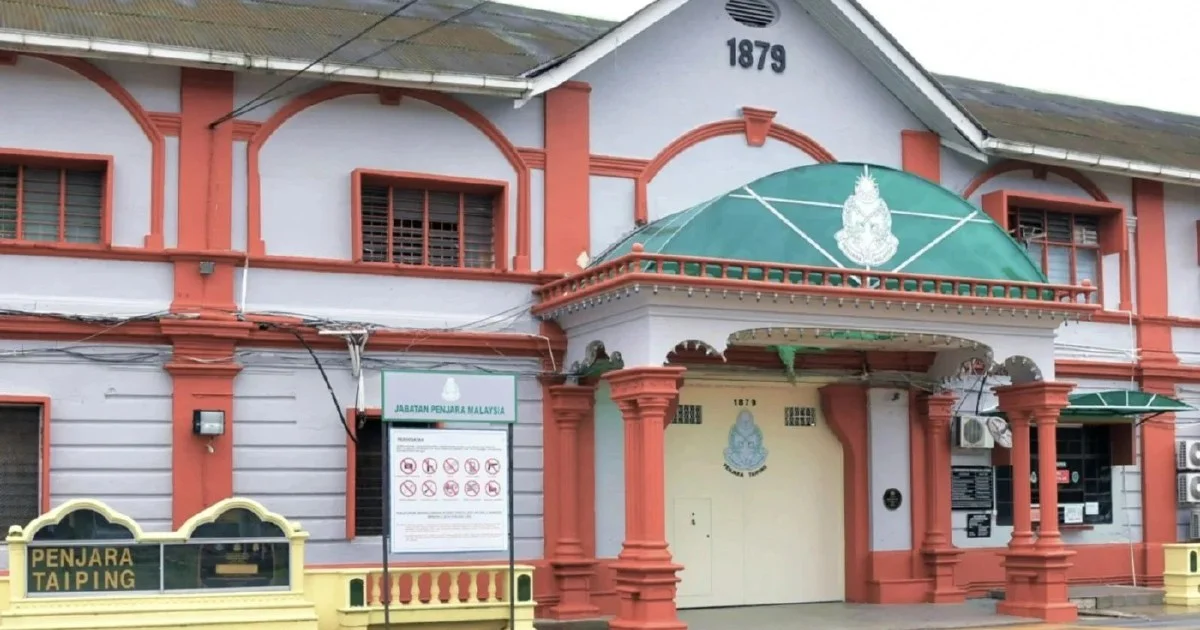
Escalating tensions between lawmakers and the prison system have surfaced following an MP's scathing rebuke of the Prisons Department's apparent reluctance to engage with human rights findings related to a fatal incident at Taiping Prison. The criticism centres on the institution's silence in the face of documented conclusions from the Human Rights Commission of Malaysia (Suhakam), which conducted an investigation into circumstances surrounding the inmate's death.
The parliamentary intervention signals deepening concern within Malaysia's legislative chambers about prison oversight mechanisms and the extent to which detention facilities are held accountable for the welfare of those in their care. The Taiping incident has become a focal point for broader discussions about custodial safety standards and the adequacy of institutional responses to independent human rights investigations.
Suhakam's investigation into the Taiping Prison case produced specific findings that authorities were expected to examine and act upon. The fact that these findings have apparently been met with institutional silence rather than substantive response raises questions about the Prisons Department's commitment to the investigative process and to addressing systemic concerns identified by an independent oversight body.
For Malaysian constituents and observers of the criminal justice system, this friction between parliamentary scrutiny and departmental silence underscores a gap in accountability mechanisms. When independent human rights bodies conduct investigations and issue findings, the absence of documented responses or corrective actions suggests potential resistance to external oversight—a dynamic that has troubled parliamentary voices concerned with institutional transparency.
The Taiping incident itself has become emblematic of broader concerns about conditions and safety within Malaysia's prison network. Inmate deaths in custody, regardless of circumstances, warrant thorough investigation and evidence-based responses from authorities. Suhakam's involvement signals that questions about the incident extended beyond routine institutional procedures, touching on human rights considerations that demanded independent scrutiny.
The MP's intervention carries weight precisely because parliamentary members function as representatives of the public interest and as formal checks on executive agencies. When a legislator publicly criticises departmental silence, it amplifies the implications of the Prisons Department's apparent non-engagement with Suhakam's conclusions. This creates a record of the issue within parliamentary discourse and raises expectations for institutional response.
From a regional perspective, Malaysia's handling of such cases influences its standing within Southeast Asian human rights frameworks. Countries across the region have faced international scrutiny regarding prison conditions and custodial deaths, making domestic institutional responses to human rights investigations matters of significance beyond individual incidents. How Malaysian authorities engage with Suhakam's findings carries implications for the nation's credibility on rights protection.
The silence attributed to the Prisons Department may reflect various institutional dynamics—resource constraints, disagreement with Suhakam's conclusions, bureaucratic inertia, or resistance to perceived external interference. Regardless of the underlying cause, the absence of documented engagement with an independent human rights investigation represents a governance failure that invites continued parliamentary pressure and public concern.
For the broader prison system and its operators, cases like Taiping serve as reminders that custodial incidents attract increasingly sophisticated oversight. Independent human rights bodies, parliamentary scrutiny, and public attention mean that deaths in prison can no longer be treated as internal administrative matters. The institutional capacity to respond transparently to external investigations has become a test of modern governance in Malaysian detention facilities.
The MP's criticism also highlights the particular challenge faced by human rights commissions across Asia when tasked with investigating sensitive institutional matters. Suhakam's effectiveness depends partly on the willingness of government agencies to engage with findings and demonstrate responsiveness. When departments decline to respond substantively, it undermines the investigative process and suggests that such inquiries may lack enforcement mechanisms or sufficient institutional leverage to compel corrective action.
Looking forward, this case will likely intensify calls for clearer protocols requiring departmental responses to independent human rights investigations. Whether through legislative amendment, administrative directive, or established convention, establishing mandatory response procedures could address the current apparent gap where findings exist but lead to no documented institutional action or change.
The Taiping incident ultimately reflects tensions inherent in modern custodial governance—the necessity of institutional autonomy for operational efficiency versus public and independent oversight of activities affecting vulnerable populations. How Malaysian authorities resolve this tension, particularly through their engagement with Suhakam's findings, will influence both the immediate circumstances of Taiping Prison operations and broader perceptions of accountability within the nation's criminal justice infrastructure.


%22%2F%3E%3C%2Fpattern%3E%3C%2Fdefs%3E%3Crect%20width%3D%22100%25%22%20height%3D%22100%25%22%20fill%3D%22url(%23ph2hy9vg)%22%2F%3E%3Crect%20width%3D%22100%25%22%20height%3D%22100%25%22%20fill%3D%22url(%23ph2hy9vp)%22%2F%3E%3Ctext%20x%3D%2250%25%22%20y%3D%2250%25%22%20text-anchor%3D%22middle%22%20dominant-baseline%3D%22central%22%20fill%3D%22rgba(255%2C255%2C255%2C0.95)%22%20font-family%3D%22Georgia%2C%20'Times%20New%20Roman'%2C%20serif%22%20font-weight%3D%22700%22%20font-size%3D%22272%22%20letter-spacing%3D%22-0.02em%22%3EAnwar%3C%2Ftext%3E%3C%2Fsvg%3E)