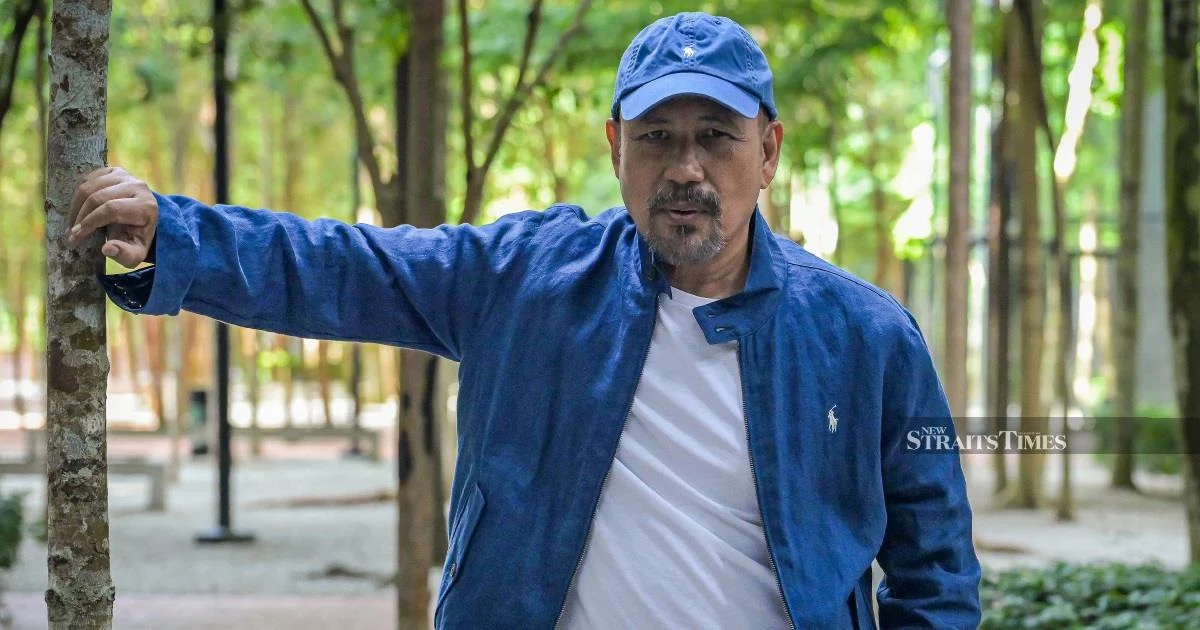
Legendary Malaysian music icon Datuk M. Nasir has made clear his determination to pursue legal remedies following what he describes as an infringement of his personal rights, launching a RM5 million lawsuit against MyTeksi Sdn Bhd—the Malaysian operating entity of ride-hailing giant Grab—over allegations that the company used his name without permission to market a beverage product. The veteran performer, who has shaped the landscape of Malaysian popular music for decades, has chosen to maintain confidentiality regarding the specifics of the dispute while making his position on the matter unambiguous through his legal counsel and public statements.
The lawsuit represents a significant moment in Malaysian entertainment and consumer protection discourse, touching on broader questions about celebrity endorsement rights, intellectual property protection, and the responsibilities of major corporations in seeking proper clearance before leveraging an artist's name or image for commercial purposes. For an artist of M. Nasir's stature—whose contributions to Malaysian music culture have earned him widespread respect and recognition—the decision to pursue formal legal action underscores the seriousness with which he regards unauthorised commercial exploitation of his identity and reputation.
M. Nasir's position, articulated through his assertion that this constitutes a matter of personal rights and moral authority, reflects a growing consciousness among Malaysian entertainers regarding brand ownership and the protection of their intellectual assets. The RM5 million figure sought in damages indicates the substantial nature of the claim, suggesting that the alleged misuse carried considerable commercial implications and potential harm to the artist's personal brand equity. This valuation presumably accounts for lost endorsement opportunities, reputational concerns, and the broader diminishment of his ability to control how his name appears in the commercial marketplace.
The involvement of MyTeksi—operating as Grab Malaysia in the local market—adds another dimension to this dispute. As one of Southeast Asia's most prominent technology companies with significant market penetration across multiple countries, the corporation's operational scale and resources mean that allegations of unauthorised brand usage by such an entity carry weight in terms of both precedent-setting and enforcement capability. The incident raises questions about the compliance protocols within large multinational firms when expanding into beverage and ancillary product marketing, particularly when leveraging local cultural figures or celebrity names to enhance market appeal.
Within Malaysia's entertainment industry, the lawsuit has become a cautionary tale about the necessity of securing proper permissions before launching marketing campaigns that invoke an artist's name, image, or reputation. For content creators, musicians, and performers across the region, the case demonstrates the importance of vigilant brand management and the willingness to take legal action when such boundaries are crossed. This is particularly crucial in an era where digital platforms and corporate diversification have made it increasingly common for established brands to venture into adjacent product categories.
The broader context of intellectual property rights protection in Malaysia and Southeast Asia suggests that artistic and celebrity identity has become increasingly recognised as a valuable commercial asset deserving robust legal safeguards. Courts across the region have been gradually strengthening protections for personal rights and commercial identity, reflecting international standards around intellectual property and right of publicity. M. Nasir's decision to pursue this matter through the legal system therefore aligns with global trends in celebrity brand protection and artistic autonomy.
From a regulatory perspective, the case may prompt discussions within Malaysia's advertising and consumer protection frameworks regarding pre-marketing diligence requirements. Companies operating in the food and beverage sector, or those seeking to develop branded products, may find themselves facing increased expectations to verify and document consent from any individuals whose names, images, or reputations are invoked in promotional materials. Industry bodies and regulatory authorities might use this incident as an opportunity to reinforce guidelines around celebrity endorsement clearance and brand usage rights.
M. Nasir's unwillingness to elaborate publicly on the details appears to be a strategic decision, likely advised by his legal team, to preserve the integrity of ongoing proceedings and avoid prejudicing his case through media commentary. This measured approach contrasts with the public nature of entertainment disputes, where parties sometimes engage in high-profile disputes through press statements and social media. His focus on asserting the principle—that this constitutes a violation of his moral and legal rights—rather than detailing the beverage product or marketing campaign specifics suggests a determination to establish clear precedent about the boundaries of commercial use.
The implications for Malaysian musicians, performers, and creative professionals extend beyond this single dispute. Successfully pursuing such action, should the courts rule in M. Nasir's favour, would strengthen protections for all artists against corporate misappropriation of their identities. Conversely, the outcome could influence how entertainment industry practitioners approach brand management and contract negotiations going forward, potentially leading to more explicit and comprehensive protections written into appearances and licensing agreements.
For Grab Malaysia and other large corporations operating across multiple commercial sectors, the lawsuit serves as a reminder that expansion into adjacent product categories demands meticulous attention to intellectual property clearance and permission protocols. In an increasingly litigious business environment, particularly in jurisdictions with strengthening celebrity rights protections, the cost of cutting corners on such due diligence can substantially exceed the savings achieved by skipping formal endorsement negotiations.
The case also reflects how Malaysian entertainment icons have matured in their understanding of their own market value and commercial rights. Rather than accepting unauthorised use as an inevitable consequence of fame, contemporary artists demonstrate a sophisticated appreciation for brand equity and are prepared to defend their interests through available legal mechanisms. This evolution strengthens the overall health of Malaysia's creative industries by establishing clearer rules and higher standards for corporate conduct toward artistic talent.

%22%2F%3E%3C%2Fpattern%3E%3C%2Fdefs%3E%3Crect%20width%3D%22100%25%22%20height%3D%22100%25%22%20fill%3D%22url(%23ph2hy9vg)%22%2F%3E%3Crect%20width%3D%22100%25%22%20height%3D%22100%25%22%20fill%3D%22url(%23ph2hy9vp)%22%2F%3E%3Ctext%20x%3D%2250%25%22%20y%3D%2250%25%22%20text-anchor%3D%22middle%22%20dominant-baseline%3D%22central%22%20fill%3D%22rgba(255%2C255%2C255%2C0.95)%22%20font-family%3D%22Georgia%2C%20'Times%20New%20Roman'%2C%20serif%22%20font-weight%3D%22700%22%20font-size%3D%22272%22%20letter-spacing%3D%22-0.02em%22%3EAnwar%3C%2Ftext%3E%3C%2Fsvg%3E)