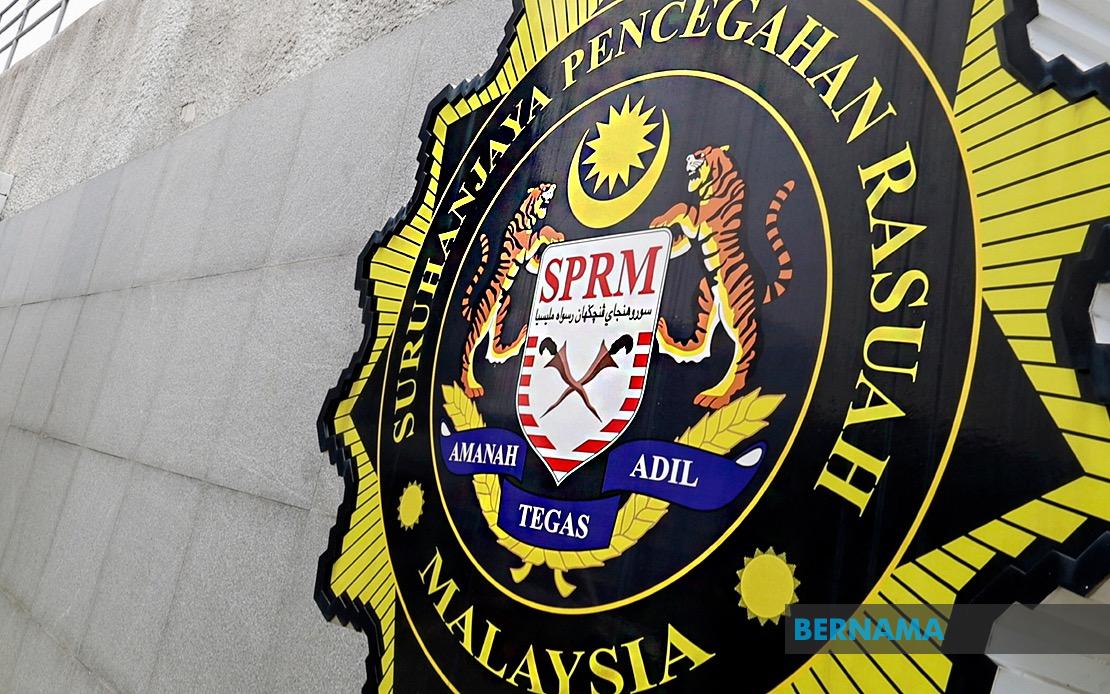
The Malaysian Anti-Corruption Commission has intensified its crackdown on procurement corruption by detaining 13 suspects accused of operating an organised bribery scheme worth approximately RM2.5 million. Among those held are a serving director and a former director of a northern Malaysian government agency, alongside contractors and intermediaries suspected of participating in the unlawful arrangement. The detention follows a coordinated operation that exposed systematic manipulation of government procurement processes across multiple states.
According to the MACC's Strategic Communications Division, the alleged conspiracy centred on bribing officials to award direct-award and quotation-based government projects to companies controlled by cartel members. This structure suggests a well-organised network rather than isolated instances of corruption, indicating that procurement cartels remain a significant vulnerability in Malaysia's governance systems. The bribes reportedly ranged between 10 and 15 percent of contract values, with intermediaries acting as conduits between contractors and the officials receiving payments.
The group detained comprises eight civil servants and five private citizens including company owners and contractors. Their ages span from the 30s to the 60s, suggesting both established operators and younger individuals drawn into the scheme. The composition highlights how procurement fraud typically involves collusion across the public-private divide, where government personnel and business interests operate in tandem to circumvent transparent tendering processes. Three women are among the 13 detained, reflecting that corruption networks do not respect gender boundaries.
Differentiated remand periods indicate varying levels of suspected involvement. Three individuals—two civil servants and a company director—face two-day detention orders, suggesting they may be peripheral actors or cooperative witnesses. The remaining 10 suspects are held for five days until June 20, after Magistrate Anis Hanini Abdullah approved the MACC's remand application at the Ipoh Magistrate's Court, indicating stronger suspicion of their central roles in the scheme. This judicial approval process underscores the commission's methodical approach to building cases against high-level corruption.
Preliminary investigations position the conspiracy between 2024 and 2026, a relatively recent timeframe suggesting either ongoing activity or the scheme's detection before reaching maturity. The allegation that contractors were compelled to pay specific percentage-based commissions indicates a formalised extortion system rather than ad-hoc corruption. This suggests institutional capture, where government processes became systematised around corrupt practices rather than serving genuine public procurement objectives.
The MACC's Operation Drain, launched simultaneously across Kuala Lumpur, Selangor, Pahang and Perak, demonstrates the multi-state scope of the suspected cartel. The coordinated raids on 25 locations including residences, corporate offices and government premises recovered approximately RM1.5 million in cash alongside high-value assets including a luxury watch, two vehicles, a motorcycle and jewellery valued at roughly RM1 million. This asset seizure suggests significant unexplained wealth accumulation, reinforcing suspicions of illicit enrichment.
The geographic spread across four states indicates this was not localised corruption but a network potentially operating across multiple government agencies. The involvement of a northern Malaysian agency raises questions about whether similar schemes operate within other regional government bodies. For Malaysian business operators, the revelation demonstrates how legitimate companies face pressure to participate in corrupt arrangements or lose access to government contracts—a systemic barrier to fair competition.
The investigation falls under Section 17(a) of the MACC Act 2009, which addresses soliciting and receiving gratification in connection with official duties. This provision carries substantial penalties, and conviction could result in imprisonment and significant fines alongside civil asset recovery. The application of this statute indicates the commission views the conduct as serious abuse of public office rather than minor impropriety.
The case underscores persistent challenges in Malaysian procurement governance despite previous anti-corruption efforts. Government procurement represents a critical vulnerability point where officials control substantial resources and can favour connected parties. The existence of procurement cartels operating with sufficient sophistication to employ intermediaries and extract percentage-based commissions suggests corruption has become embedded within certain agencies' operational culture.
For Malaysian and Southeast Asian readers, this investigation carries implications beyond the immediate detentions. Public procurement represents perhaps 20-30 percent of government spending across the region, making integrity in this sphere essential for developmental outcomes. Corrupt procurement inflates project costs, reduces quality, and redirects resources from public services toward private enrichment. The MACC's operation demonstrates that large-scale schemes remain detectable when enforcement resources focus strategically, offering grounds for optimism about institutional capacity.
The case also illustrates how procurement fraud typically operates through networks rather than individual bad actors. Breaking such networks requires sustained investigation, asset tracking, and cooperation among authorities—precisely the approach the MACC employed. However, the existence of such cartels suggests preventive measures may need strengthening, including enhanced transparency requirements, competitive tendering mandates, and whistleblower protections that empower contractors unwilling to participate in corrupt arrangements.
International experience suggests that procurement corruption often involves career patterns, where corrupt officials develop relationships enabling increasingly sophisticated schemes. The detention of both serving and former officials in this case may suggest investigators believe they maintained corrupt connections despite changing roles. Understanding these career trajectories helps agencies identify elevated-risk individuals and implement preventive controls.
Moving forward, the investigation's progress will test MACC's capacity to prosecute complex financial crimes involving multiple actors across different jurisdictions. Successful convictions would strengthen deterrence against procurement corruption, while setbacks might encourage other would-be cartels. The outcome thus carries significance extending well beyond the immediate 13 detainees, affecting broader governance integrity across Malaysian public administration.


%22%2F%3E%3C%2Fpattern%3E%3C%2Fdefs%3E%3Crect%20width%3D%22100%25%22%20height%3D%22100%25%22%20fill%3D%22url(%23ph2hy9vg)%22%2F%3E%3Crect%20width%3D%22100%25%22%20height%3D%22100%25%22%20fill%3D%22url(%23ph2hy9vp)%22%2F%3E%3Ctext%20x%3D%2250%25%22%20y%3D%2250%25%22%20text-anchor%3D%22middle%22%20dominant-baseline%3D%22central%22%20fill%3D%22rgba(255%2C255%2C255%2C0.95)%22%20font-family%3D%22Georgia%2C%20'Times%20New%20Roman'%2C%20serif%22%20font-weight%3D%22700%22%20font-size%3D%22272%22%20letter-spacing%3D%22-0.02em%22%3EAnwar%3C%2Ftext%3E%3C%2Fsvg%3E)