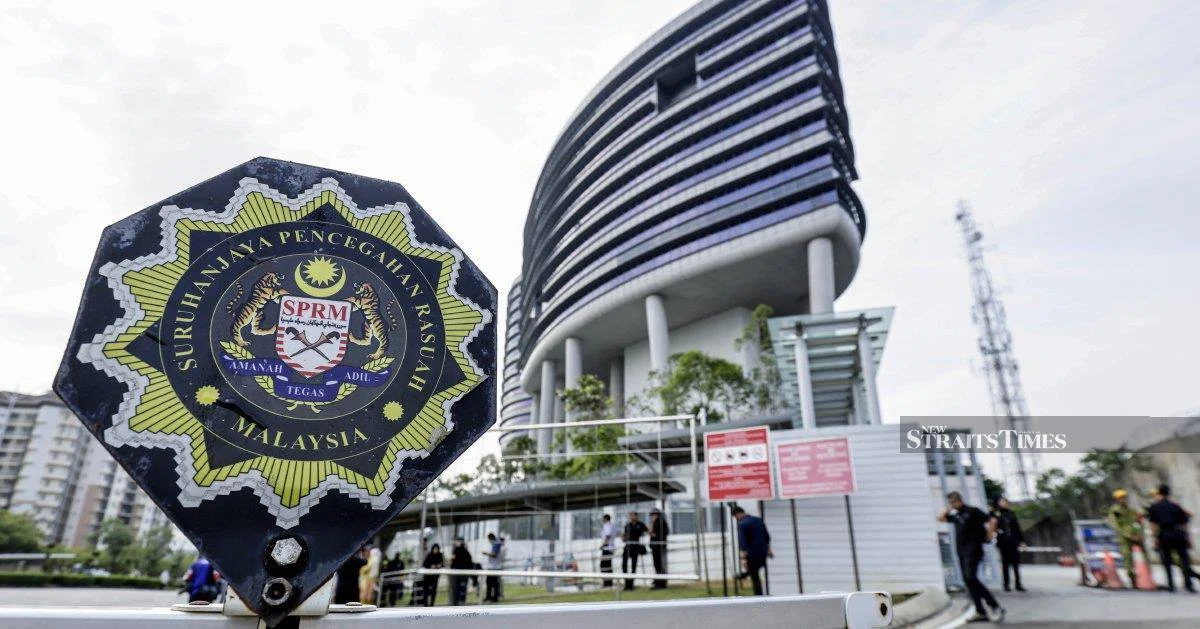
The Malaysian Anti-Corruption Commission has widened its investigation into the Daya Kerjaya 2.0 employment incentive programme to scrutinise systemic governance failures alongside its fraud inquiry. The expanded probe, centred in Kuala Lumpur, will focus on procedural deficiencies within the scheme as investigators pursue leads connected to alleged dishonest claims valued at RM9 million.
Daya Kerjaya 2.0 represents a significant national employment initiative designed to provide financial incentives that encourage businesses to hire local workers and foster job creation across Malaysia. The programme has become the subject of heightened regulatory attention following revelations that certain claimants may have submitted false documentation or misrepresented the nature and scope of their hiring activities. Such irregularities, if substantiated, would represent a material breach of public trust and a misallocation of resources intended for legitimate economic stimulus.
The MACC's decision to examine underlying governance structures reflects a broader enforcement strategy that extends beyond identifying individual wrongdoers. By investigating weaknesses in administrative controls, verification procedures, and oversight mechanisms, the commission seeks to understand how fraudulent claims penetrated the system despite existing safeguards. This multifaceted approach indicates that authorities suspect the problem may not rest solely with fraudulent applicants but potentially involves gaps in programme administration that enabled such claims to reach the disbursement stage.
For Malaysian stakeholders, the implications are substantial. Employment incentive schemes function as critical tools for achieving broader economic objectives, from reducing unemployment to stimulating business investment in labour-intensive sectors. When such programmes become compromised by fraud or administrative negligence, they lose effectiveness and create perverse incentives that reward dishonesty over genuine hiring efforts. Honest employers who comply with programme requirements may find themselves disadvantaged relative to those willing to manipulate the system.
The RM9 million figure represents a considerable sum within Malaysia's public finances, particularly when viewed through the lens of opportunity cost. Resources diverted through fraudulent claims are resources unavailable for legitimate job creation incentives, infrastructure development, or other pressing economic needs. The scale of the alleged fraud suggests either systematic abuse by multiple parties or coordinated schemes involving organised networks capable of submitting sophisticated false documentation.
Regionally, Malaysia's handling of this investigation carries significance beyond national borders. As a member of regional anti-corruption networks and international financial monitoring bodies, how Malaysia addresses governance weaknesses in its employment schemes sends signals about the country's commitment to transparency and integrity in public administration. Southeast Asian economies increasingly compete on the basis of institutional quality and regulatory reliability, factors that influence investor confidence and access to international capital markets.
The governance examination will likely reveal whether existing verification protocols adequately cross-reference employment data with tax and social security records, whether scheme administrators maintained sufficient independence from political interference, and whether audit trails existed to track fund flow from initial claim through final disbursement. Such procedural assessments often uncover instances where corners were cut, internal controls were bypassed for expedience, or accountability mechanisms proved inadequate to detect irregularities during the approval process.
For businesses and workers, the investigation's outcome determines whether corrective measures will be implemented before additional funds are disbursed through the programme. Suspension or modification of scheme operations during investigations creates uncertainty for legitimate applicants awaiting approvals, potentially disrupting hiring plans and workforce development strategies. However, allowing programmes with known integrity gaps to continue operating uncontrolled poses greater systemic risks to public sector credibility.
The MACC's investigation also sits within Malaysia's broader anti-corruption agenda. Previous instances of fraud within government assistance programmes have prompted similar inquiries, suggesting that systematic vulnerabilities may persist across multiple initiatives despite lessons learned from earlier cases. Identifying common weakness patterns—inadequate documentation requirements, insufficient verification procedures, weak oversight structures—could inform comprehensive reforms applicable across multiple employment, business support, and welfare programmes.
Looking forward, the investigation will likely culminate in both prosecutorial actions against individuals or entities responsible for fraudulent claims and administrative recommendations aimed at strengthening programme governance. Whether authorities pursue charges against scheme administrators alongside applicants will signal how seriously they regard institutional accountability versus individual culpability. The political context matters here; public pressure for comprehensive reform rather than token prosecutions reflects growing expectations that anti-corruption efforts address systemic issues rather than isolated wrongdoing.
The Daya Kerjaya 2.0 case exemplifies broader challenges governments face in administering assistance programmes at scale. Balancing accessibility with verification rigour, ensuring timely processing against thorough documentation review, and maintaining programme integrity while avoiding bureaucratic overreach represent inherent tensions. How Malaysia resolves these tensions through its investigation findings and subsequent reforms will influence the scheme's future credibility and effectiveness as an employment policy tool.

%22%2F%3E%3C%2Fpattern%3E%3C%2Fdefs%3E%3Crect%20width%3D%22100%25%22%20height%3D%22100%25%22%20fill%3D%22url(%23ph2hy9vg)%22%2F%3E%3Crect%20width%3D%22100%25%22%20height%3D%22100%25%22%20fill%3D%22url(%23ph2hy9vp)%22%2F%3E%3Ctext%20x%3D%2250%25%22%20y%3D%2250%25%22%20text-anchor%3D%22middle%22%20dominant-baseline%3D%22central%22%20fill%3D%22rgba(255%2C255%2C255%2C0.95)%22%20font-family%3D%22Georgia%2C%20'Times%20New%20Roman'%2C%20serif%22%20font-weight%3D%22700%22%20font-size%3D%22272%22%20letter-spacing%3D%22-0.02em%22%3EAnwar%3C%2Ftext%3E%3C%2Fsvg%3E)