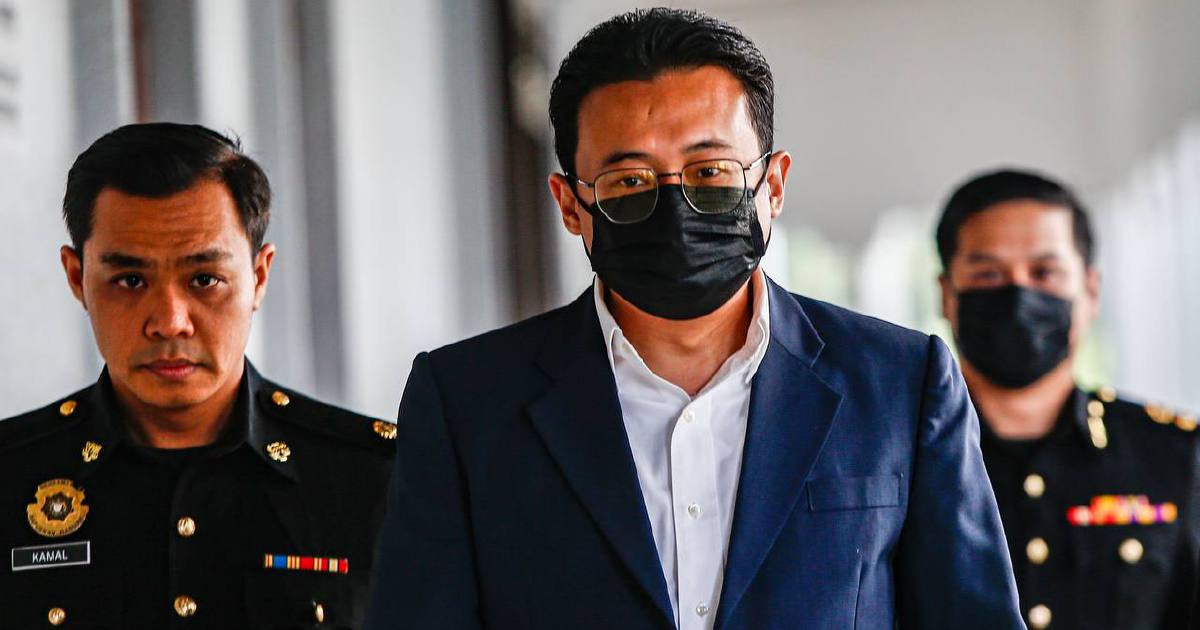
The chief executive officer of Malaysia Stadium Corporation made his first appearance in the Sessions Court here today, entering a not guilty plea to seven separate counts of soliciting and accepting bribes. The alleged misconduct relates to inducements offered to secure a company the contract for upgrading work at the National Squash Centre, with the total value of the bribes said to exceed RM1 million. The development marks a significant moment in ongoing efforts by Malaysian authorities to tackle corruption within government-linked organisations and public-sector infrastructure projects.
Cases involving senior executives at statutory bodies have drawn heightened scrutiny in recent years as Malaysia continues to strengthen its anti-corruption enforcement mechanisms. The National Squash Centre, a facility of national sporting importance, falls under the purview of MSC, making the allegations particularly noteworthy given the public interest in how such institutions manage tender processes and vendor relationships. Transparency in awarding contracts for upgrading major sporting facilities is essential to maintaining public confidence in institutional governance.
The charges presented against the MSC chief executive detail a pattern of alleged impropriety spanning multiple transactions and interactions. Each of the seven counts carries specific allegations of soliciting money or valuables as inducements to award the tender to a particular company. Bribery charges of this scale typically involve investigation periods spanning months or years, with authorities gathering documentary evidence, financial records, and witness testimony to establish the circumstances surrounding each alleged transaction.
The specificity of the RM1 million threshold suggests that investigators have traced concrete financial flows and quantifiable benefits allegedly received by the accused. In corruption cases involving infrastructure and procurement, authorities often reconstruct payment trails through bank transfers, cash transactions, or indirect benefits such as property transfers or business favours. The complexity of such investigations explains why charges in high-profile cases often emerge well after the initial wrongdoing allegedly occurred.
Malaysia's anti-corruption infrastructure, anchored by the Malaysian Anti-Corruption Commission and supported by courts at various levels, has demonstrated growing capacity to pursue cases against senior corporate and public officials. The prosecution of individuals in leadership positions sends a signal about institutional accountability and the consequences of breaching public trust. However, observers note that successful convictions require robust evidence presentation and careful legal argumentation, particularly when accused individuals have access to experienced legal counsel.
The National Squash Centre upgrade project itself reflects Malaysia's ongoing investment in sports infrastructure and facilities. Squash remains a sport in which Malaysia has maintained competitive presence at regional and international levels, and maintaining world-class training facilities contributes to the country's sporting ambitions. Corruption that inflates costs or compromises the quality of such upgrades ultimately undermines both financial stewardship and the nation's ability to support athletic development.
Tender processes for public projects, especially those involving sports facilities and government-linked companies, operate within a defined regulatory framework intended to ensure fair competition and value for money. When senior officials allegedly solicit bribes to steer contracts toward particular vendors, the integrity of these systems faces direct challenge. The enforcement action against the MSC chief executive demonstrates authorities' commitment to investigating such breaches, though the presumption of innocence remains paramount until trial conclusions are reached.
The legal proceedings ahead will likely involve detailed examination of communications, financial documentation, and testimony from witnesses including company representatives, contractors, and internal MSC personnel. Sessions Court proceedings in complex commercial crime cases typically span extended periods as both prosecution and defence present comprehensive evidence. The trial will establish whether the alleged inducements occurred, the amounts involved, the timing of transactions, and the explicit connection to the tender award decision.
Beyond the immediate case, the charges raise broader questions about governance protocols within Malaysia's statutory bodies. Many government-linked organisations have implemented enhanced procurement oversight, including competitive bidding requirements, audit trails, and conflict-of-interest declarations. However, enforcement of such measures depends on organisational culture, management commitment, and the willingness of staff to report irregularities without fear of retaliation. The MSC case will likely prompt review of existing safeguards across similar institutions.
For Malaysian readers and regional observers, the case underscores the ongoing tension between institutional accountability and the practical challenges of prosecuting white-collar crime. Successful anti-corruption efforts require sustained commitment from enforcement agencies, adequate resourcing, and public support for court processes that may extend over years. The outcome of the MSC chief executive's trial will contribute to precedent and awareness regarding consequences for those in positions of authority who breach fiduciary duties entrusted to them.

%22%2F%3E%3C%2Fpattern%3E%3C%2Fdefs%3E%3Crect%20width%3D%22100%25%22%20height%3D%22100%25%22%20fill%3D%22url(%23ph2hy9vg)%22%2F%3E%3Crect%20width%3D%22100%25%22%20height%3D%22100%25%22%20fill%3D%22url(%23ph2hy9vp)%22%2F%3E%3Ctext%20x%3D%2250%25%22%20y%3D%2250%25%22%20text-anchor%3D%22middle%22%20dominant-baseline%3D%22central%22%20fill%3D%22rgba(255%2C255%2C255%2C0.95)%22%20font-family%3D%22Georgia%2C%20'Times%20New%20Roman'%2C%20serif%22%20font-weight%3D%22700%22%20font-size%3D%22272%22%20letter-spacing%3D%22-0.02em%22%3EAnwar%3C%2Ftext%3E%3C%2Fsvg%3E)