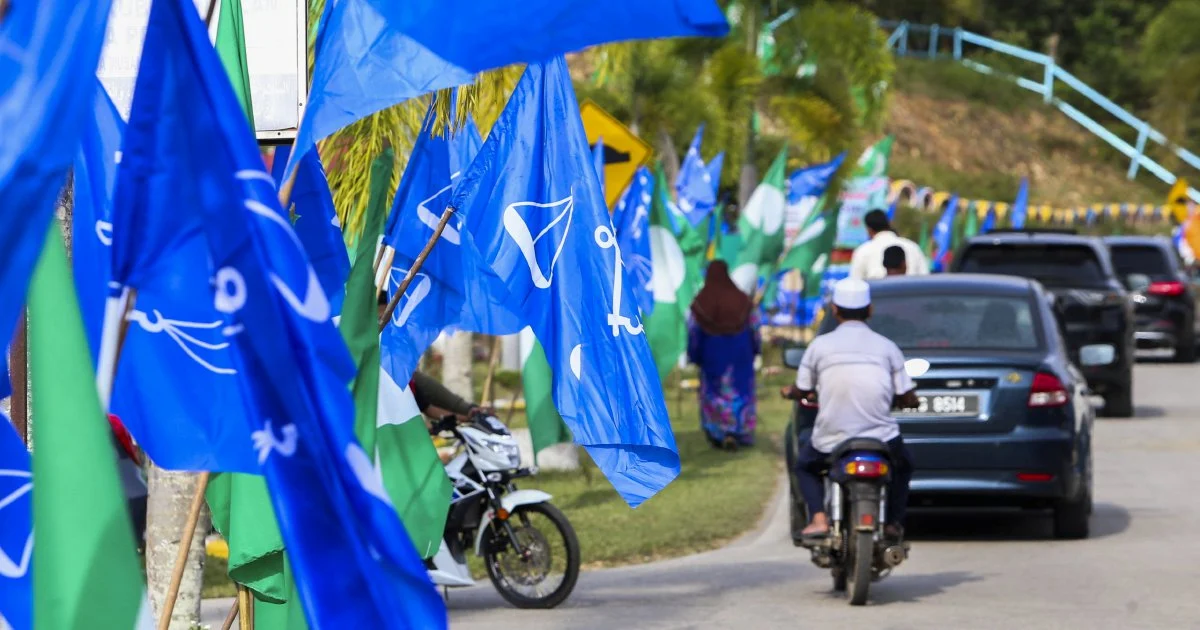
The timing of Malaysia's next general election has become a subject of intense speculation among political observers and the general public, with the leadership of the Islamic party Parti Islam Se-Malaysia providing what may be the clearest indication yet. Speaking in Kota Baru, the party's second-highest ranking official, Datuk Mohd Amar Nik Abdullah, indicated that the 16th general election should materialise within the final quarter of the year, specifically pointing to a window between late October and early November as the most probable period for polling day.
This projection carries considerable weight given PAS's position within Malaysia's current political landscape. The party has emerged as a significant power broker in recent years, commanding a substantial parliamentary presence and wielding considerable influence over government decisions. As vice-president of an organisation with millions of members across the country and representation in multiple state legislatures, Nik Abdullah's assessment likely reflects internal party calculations and possibly information gleaned from discussions at the highest levels of government. The timing he has articulated aligns broadly with conventional wisdom about the optimal window for conducting national elections before the year concludes.
The prospect of elections in October or November would provide the government with sufficient time to complete a full budget cycle and avoid the complications that often arise from the year-end holiday season. Mid-year elections would disrupt the parliamentary calendar severely, while early-year contests would compress the administration's capacity to deliver on campaign promises before the eventual change of government or consolidation of power. The October-November window represents a carefully calculated middle ground that political strategists have long considered ideal for Malaysian electoral contests.
For Malaysian voters and political stakeholders, such timelines carry immediate practical implications. Business communities typically begin preparing for economic adjustments during election periods, as policy uncertainty tends to influence investment decisions and consumer confidence. The civil service also requires adequate notice to prepare polling infrastructure, train election officials, and manage the administrative machinery necessary for conducting an election of Malaysia's scale and complexity. An announcement in the coming months would allow these various sectors to prepare accordingly.
Regionally, the timing of Malaysia's election matters to neighbouring countries and trading partners who monitor the nation's political stability. Southeast Asian governments and major international players maintain significant interests in Malaysia's continued political coherence and economic performance. A well-managed electoral transition during the final quarter would allow a new or reaffirmed government to stabilise its position before regional affairs enter their more demanding phases in early 2025, including major international forums and trade negotiations.
The historical pattern of Malaysian general elections offers some support for Nik Abdullah's projection. Previous contests have frequently been scheduled during these months, reflecting both constitutional frameworks and practical considerations about weather, public holidays, and administrative readiness. Election Commission officials have previously indicated that such timing remains operationally feasible, though the final decision ultimately rests with the Prime Minister when dissolving Parliament.
Political observers have noted that the current parliamentary term provides adequate runway for an election call during this proposed window. Parliament was constituted following the previous general election with sufficient time remaining under constitutional limits to allow for either a snap election or completion of the full five-year term. The government's prerogative to select timing within these bounds remains a distinctive feature of Malaysia's Westminster-derived system, creating ongoing speculation about precise electoral scheduling.
Uncertainty about exact polling dates has characterised Malaysian politics in recent years, with governments occasionally surprising the electorate with snap elections or postponing contests beyond the anticipated window. This unpredictability reflects the fluid nature of coalition politics at the federal level, where multiple parties maintain the capacity to withdraw support or demand fresh mandates. Nik Abdullah's public articulation of expectations may itself influence subsequent decisions, as party leaderships consider managing public perception and maintaining political momentum.
For ordinary Malaysians, the possibility of October or November elections means potential disruptions to normal business operations, educational calendars, and public services during that critical period. Schools often serve as polling stations, necessitating temporary closures. Large-scale campaign activities would dominate public spaces and media channels. The electoral period itself typically generates heightened political intensity as parties mobilise grassroots supporters and compete aggressively for voter attention.
The accuracy of Nik Abdullah's assessment will become clearer as the year progresses and the government provides clearer signals about its intentions. Political dynamics can shift rapidly in Malaysia's fluid coalition environment, potentially altering carefully laid plans. Nevertheless, the PAS vice-president's public statement represents one of the most concrete indicators to date regarding the anticipated timeframe for Malaysia's next democratic exercise, providing valuable guidance to stakeholders across government, business, and civil society preparing for what will likely be a consequential electoral contest.

%22%2F%3E%3C%2Fpattern%3E%3C%2Fdefs%3E%3Crect%20width%3D%22100%25%22%20height%3D%22100%25%22%20fill%3D%22url(%23ph2hy9vg)%22%2F%3E%3Crect%20width%3D%22100%25%22%20height%3D%22100%25%22%20fill%3D%22url(%23ph2hy9vp)%22%2F%3E%3Ctext%20x%3D%2250%25%22%20y%3D%2250%25%22%20text-anchor%3D%22middle%22%20dominant-baseline%3D%22central%22%20fill%3D%22rgba(255%2C255%2C255%2C0.95)%22%20font-family%3D%22Georgia%2C%20'Times%20New%20Roman'%2C%20serif%22%20font-weight%3D%22700%22%20font-size%3D%22272%22%20letter-spacing%3D%22-0.02em%22%3EAnwar%3C%2Ftext%3E%3C%2Fsvg%3E)