%22%2F%3E%3C%2Fpattern%3E%3C%2Fdefs%3E%3Crect%20width%3D%22100%25%22%20height%3D%22100%25%22%20fill%3D%22url(%23ph28es7g)%22%2F%3E%3Crect%20width%3D%22100%25%22%20height%3D%22100%25%22%20fill%3D%22url(%23ph28es7p)%22%2F%3E%3Ctext%20x%3D%2250%25%22%20y%3D%2250%25%22%20text-anchor%3D%22middle%22%20dominant-baseline%3D%22central%22%20fill%3D%22rgba(255%2C255%2C255%2C0.95)%22%20font-family%3D%22Georgia%2C%20'Times%20New%20Roman'%2C%20serif%22%20font-weight%3D%22700%22%20font-size%3D%22170%22%20letter-spacing%3D%22-0.02em%22%3EMalaysia%3C%2Ftext%3E%3C%2Fsvg%3E)
Prime Minister Datuk Seri Anwar Ibrahim has issued a stark warning to European nations, cautioning that developing countries will not tolerate unfair commercial treatment and will actively pursue alternative trading relationships if economic disparities persist. The message, delivered with unmistakable clarity, underscores Malaysia's growing confidence in seeking partnership opportunities beyond traditional Western markets and reflects broader frustration across the Global South regarding asymmetrical trade arrangements.
Anwar's statement marks a significant moment in Malaysia's diplomatic posture, reflecting the country's strategic shift towards a more balanced approach to international commerce. Rather than remaining passive recipients of trade terms dictated by developed economies, developing nations are increasingly asserting their collective bargaining power and willingness to explore emerging partnerships. The Prime Minister's comments highlight a fundamental truth: the economic landscape has shifted substantially, and countries like Malaysia now possess genuine alternatives to exclusive Western-centric arrangements.
The underlying tension centres on how developed economies, particularly in Europe, structure their trade agreements and market access policies. Protectionist measures, stringent regulatory requirements that disproportionately affect smaller economies, and unfavourable tariff structures have long frustrated policymakers in Asia and Africa. These practices, while sometimes justified as environmental or labour protections, often function as disguised barriers that disadvantage nations with limited resources to comply with expensive standards or lobbying capacity.
Malaysia's position carries particular weight given the country's strategic importance within Southeast Asia and its role as a bridge between China and Western markets. By publicly articulating this grievance, Anwar is not merely expressing Malaysia's views but also channelling frustration felt across the entire developing world. The statement serves as a negotiating tool, signalling that European policymakers should view trade partnerships with developing nations as mutually beneficial relationships rather than arrangements where concessions flow primarily in one direction.
The context of Anwar's remarks reflects Malaysia's own economic circumstances and ambitions. As a middle-income nation pursuing digital transformation and higher-value manufacturing, Malaysia requires fair access to global markets and technology transfer opportunities. Unfair European trade practices could undermine these development objectives, making alternative partnerships with Asian economies and other emerging markets increasingly attractive. Nations like China, India, and Vietnam offer market opportunities and technology collaborations that do not come encumbered with the same regulatory burdens.
Developing nations have demonstrated growing capability to pursue alternative routes when traditional partners become inflexible. Regional trade arrangements such as the Regional Comprehensive Economic Partnership have strengthened intra-Asia commerce, while infrastructure initiatives like the Belt and Road Initiative have expanded developing nations' options for financing and partnership. This shifting landscape diminishes Europe's monopoly on desirable trade relationships and increases the costs of maintaining protectionist positions.
Anwar's warning also reflects a deeper philosophical position about global economic justice and equity. Developing countries argue, with substantial justification, that they should not bear disproportionate costs for environmental remediation and social standards that industrialised nations largely ignored during their own development phases. The intellectual coherence of this argument, combined with growing economic leverage, enables nations like Malaysia to negotiate from a position of greater strength than they could have assumed a decade ago.
For Malaysia specifically, diversifying away from European markets would involve redirecting trade towards greater regional integration and expanding partnerships with China, India, Vietnam, and other Asian economies. This reorientation aligns naturally with Malaysia's geographic position and cultural ties while potentially offering faster-growing markets and less restrictive trading conditions. Anwar's statement essentially communicates that Malaysia will happily pursue this option if Europe's terms remain inequitable.
The practical implications for European businesses and policymakers warrant serious consideration. Malaysia remains an important market for European investments and technology, while Malaysian products enjoy significant European demand. Pushing developing nations away through unfair trade practices ultimately harms European economic interests, even as it appears to protect short-term competitive positions in specific sectors. The economic rationality of fair dealing should outweigh protectionist impulses.
Anwar's positioning also serves domestic political purposes within Malaysia, demonstrating to the electorate that the government actively defends national interests on the world stage. By publicly confronting European trade practices, the Prime Minister reinforces his administration's commitment to economic nationalism and development-first policies that resonate with Malaysian voters and broader regional publics.
Moving forward, European policymakers face a choice: recognise developing nations as equal partners deserving fair treatment in commercial arrangements, or accept that their markets will lose relevance as developing economies consolidate alternative partnerships. Anwar's warning crystallises this choice in terms too direct to misunderstand, signalling Malaysia's determination to pursue equitable arrangements whether Europe reciprocates or not.
The statement ultimately reflects a fundamental rebalancing of global economic power, where developing nations no longer accept subordinate roles in the international trade system. Malaysia, under Anwar's leadership, is clearly positioning itself as an active agent in determining its economic future rather than a passive recipient of terms imposed by distant capitals.
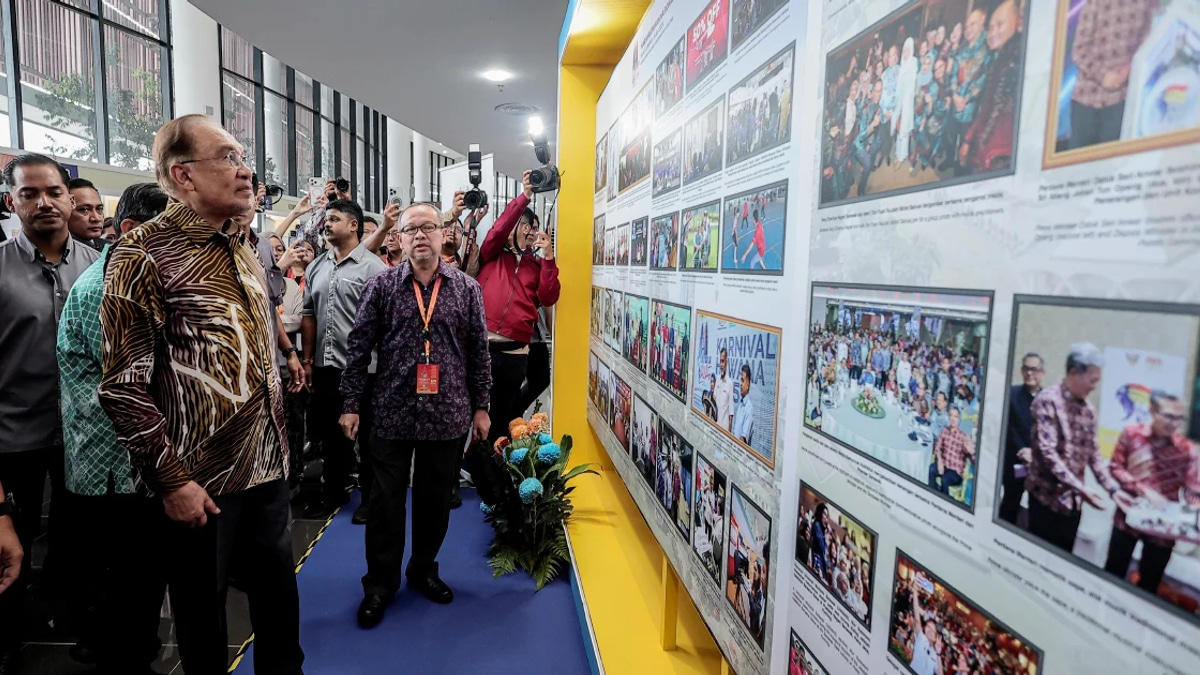

%22%2F%3E%3C%2Fpattern%3E%3C%2Fdefs%3E%3Crect%20width%3D%22100%25%22%20height%3D%22100%25%22%20fill%3D%22url(%23ph2hy9vg)%22%2F%3E%3Crect%20width%3D%22100%25%22%20height%3D%22100%25%22%20fill%3D%22url(%23ph2hy9vp)%22%2F%3E%3Ctext%20x%3D%2250%25%22%20y%3D%2250%25%22%20text-anchor%3D%22middle%22%20dominant-baseline%3D%22central%22%20fill%3D%22rgba(255%2C255%2C255%2C0.95)%22%20font-family%3D%22Georgia%2C%20'Times%20New%20Roman'%2C%20serif%22%20font-weight%3D%22700%22%20font-size%3D%22272%22%20letter-spacing%3D%22-0.02em%22%3EAnwar%3C%2Ftext%3E%3C%2Fsvg%3E)