Malaysia's Health Ministry is moving toward the final resolution of longstanding administrative obstacles that have constrained the pipeline for medical specialist training and development, Health Minister Datuk Seri Dr Dzulkefly Ahmad announced at a press conference in Putrajaya on June 19. The acknowledgement represents a significant step in addressing systemic inefficiencies that have contributed to a widening skills gap across the nation's healthcare sector, affecting both public and private institutions.
The ministry has pinpointed several key bottlenecks within its training framework that are slowing the production of qualified specialists needed to shore up Malaysia's overwhelmed healthcare system. These bureaucratic constraints span multiple administrative layers, from accreditation procedures to placement mechanisms and resource allocation protocols. The identification of these specific pain points suggests the ministry has undertaken a comprehensive review of its specialist development pathways, moving beyond surface-level acknowledgement of the problem toward concrete diagnostic work.
The reported shortage of approximately 11,000 medical specialists nationwide underscores the scale of the challenge facing policymakers and healthcare administrators. This deficit spans across both public healthcare institutions, which serve the majority of Malaysia's population, and the private sector, which absorbs significant demand from affluent patients. The breadth of this shortage indicates that no single specialty or geographic region bears the entire burden, suggesting systemic weaknesses in how the country trains, deploys, and retains specialist-level medical professionals.
Dr Dzulkefly emphasised that any expansion of the specialist workforce must proceed in carefully sequenced phases, integrated closely with the simultaneous development and upgrading of physical healthcare infrastructure. This approach reflects a pragmatic understanding that hiring additional specialists without corresponding improvements to facilities, equipment, and support systems would merely redistribute existing capacity constraints rather than resolve them. The ministry's planning framework appears to prioritise alignment between human resources and infrastructure investments, a discipline often absent in healthcare workforce development across the region.
The phased expansion strategy is anchored to identified healthcare priorities and current operational gaps, ensuring resources flow toward specialties and locations experiencing the most acute shortages. Rather than pursuing rapid, undifferentiated growth in specialist numbers, the ministry is adopting a needs-based approach that maps training investments against demonstrated demand patterns and service delivery requirements. This methodology should theoretically improve the efficiency of specialist deployment and reduce the likelihood of creating imbalances between different medical specialties.
While comprehensive reforms progress through bureaucratic channels, the Health Ministry has implemented a cluster crisis management system as a temporary mechanism to manage existing pressures on the healthcare workforce. This interim approach brings together hospitals and clinics operating within defined geographic clusters to facilitate better resource sharing, personnel flexibility, and coordinated service planning. The system allows healthcare facilities to redeploy staff strategically across cluster members based on real-time operational demands, creating informal networks of mutual support during periods of strain.
Personnel reorganisation within clusters represents a pragmatic acknowledgement that rigid institutional boundaries can exacerbate shortages in specific facilities while underutilising capacity elsewhere. By enabling fluid movement of healthcare workers across cluster boundaries according to clinical needs, the system attempts to optimise the deployment of existing specialists and frontline medical staff. This flexibility, while necessary as a temporary solution, also signals the inadequacy of current overall specialist numbers, since truly sufficient capacity would not require such intensive coordination mechanisms.
Dr Dzulkefly stressed that maintaining uninterrupted healthcare service delivery remains the paramount concern driving these interim measures. The recognition that healthcare workers face considerable operational pressures—stemming directly from specialist shortages and overcrowded facilities—appears to inform the cluster approach, which aims to distribute workload burdens more equitably across the system. The emphasis on continuous service delivery, particularly in a public healthcare system serving over 20 million Malaysians, reflects the non-negotiable nature of healthcare infrastructure in supporting economic stability and public wellbeing.
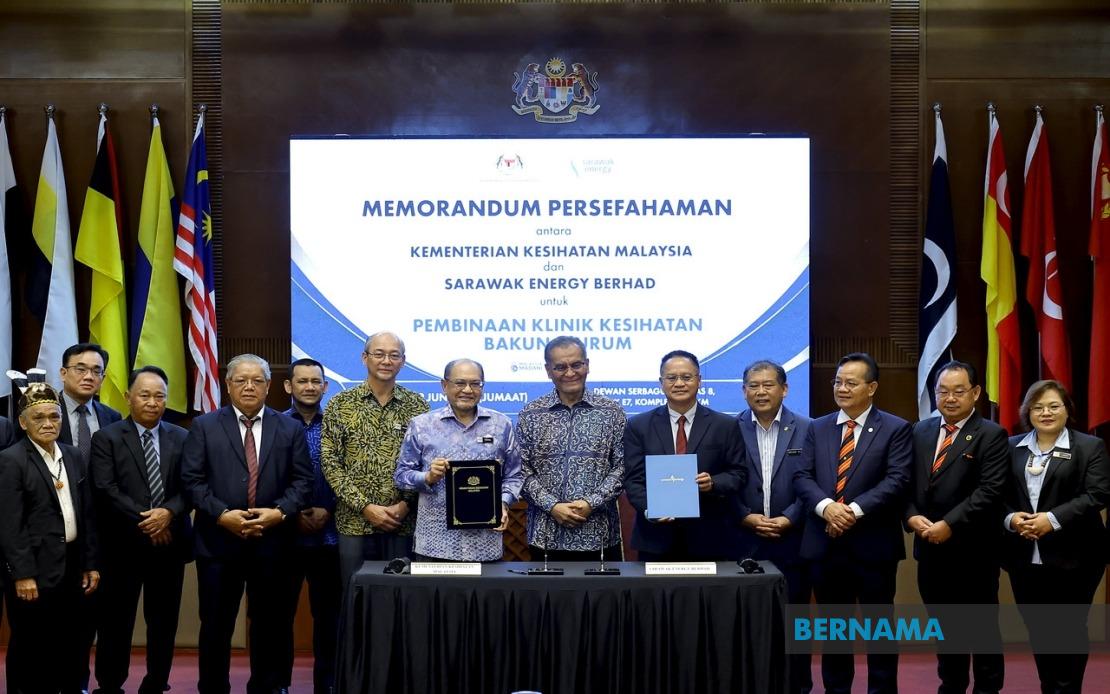
The memorandum of understanding signed between the Health Ministry and Sarawak Energy for the Bakun-Murum Health Clinic illustrates how infrastructure expansion proceeds alongside workforce planning, particularly in Peninsular Malaysia's less densely served regions and in East Malaysia. Such joint ventures between health authorities and private sector entities can accelerate facility development beyond budget constraints that typically hamper public-sector capital projects. For rural and remote areas where specialist recruitment proves particularly challenging, these infrastructure partnerships may create conditions that make postings more attractive to qualified professionals.
For Malaysian readers and healthcare stakeholders, these developments suggest that relief from specialist shortages will likely arrive incrementally rather than through sudden transformation. The ministry's acknowledgement of bureaucratic obstacles indicates structural problems requiring administrative redesign, not merely resource injection. Success in this reform agenda will depend on whether the final-stage resolution of identified bottlenecks results in meaningfully accelerated specialist training pipelines, or whether the reforms remain incremental adjustments to fundamentally constrained systems.
The broader implications extend to healthcare quality, patient outcomes, and the attractiveness of medical careers within Malaysia's institutional framework. Specialist shortages create cascading effects throughout the healthcare system, lengthening diagnostic waits, limiting treatment options, and potentially driving medical tourism as affluent patients seek services unavailable domestically. Conversely, if the ministry successfully resolves its administrative constraints and achieves projected specialist production increases, Malaysia could reduce healthcare costs, improve retention of medical talent, and strengthen competitive positioning in Southeast Asia's emerging medical services market.


%22%2F%3E%3C%2Fpattern%3E%3C%2Fdefs%3E%3Crect%20width%3D%22100%25%22%20height%3D%22100%25%22%20fill%3D%22url(%23ph2hy9vg)%22%2F%3E%3Crect%20width%3D%22100%25%22%20height%3D%22100%25%22%20fill%3D%22url(%23ph2hy9vp)%22%2F%3E%3Ctext%20x%3D%2250%25%22%20y%3D%2250%25%22%20text-anchor%3D%22middle%22%20dominant-baseline%3D%22central%22%20fill%3D%22rgba(255%2C255%2C255%2C0.95)%22%20font-family%3D%22Georgia%2C%20'Times%20New%20Roman'%2C%20serif%22%20font-weight%3D%22700%22%20font-size%3D%22272%22%20letter-spacing%3D%22-0.02em%22%3EAnwar%3C%2Ftext%3E%3C%2Fsvg%3E)