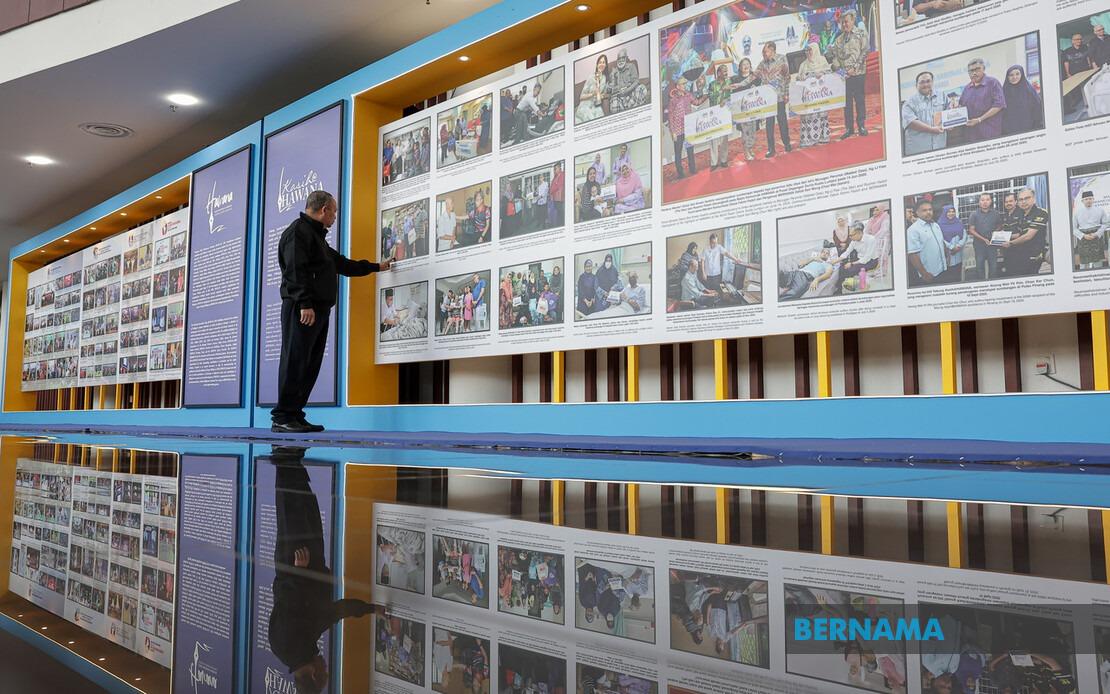
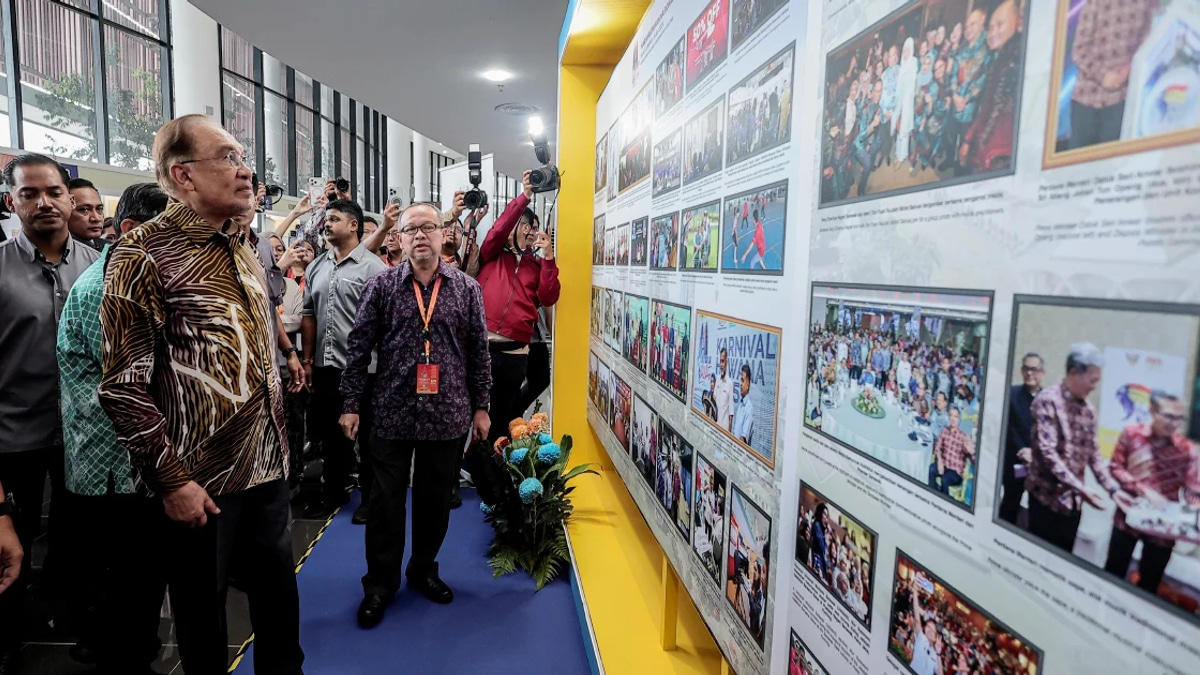
Malaysia's media industry is converging on Penang for the National Journalists' Day (HAWANA) 2026 celebration, positioning the annual gathering as a critical moment for the profession to reaffirm its commitment to integrity and relevance. Ahead of the main ceremony tomorrow at PICCA @ Butterworth Arena, where Prime Minister Datuk Seri Anwar Ibrahim is expected to officiate, media organisations and journalism bodies have already launched a series of programmes designed to strengthen professional standards and tackle the existential questions facing contemporary journalism. The convergence of these initiatives signals growing recognition within Malaysia's media sector that sustained engagement with industry challenges is essential for maintaining public trust and professional credibility.
The Malaysian Federation of Media Clubs (GKMM) initiated proceedings with Malaysia Media Retreat 2.0, bringing together representatives from 15 media clubs nationwide to Butterworth. GKMM president Mohamad Fauzi Ishak underscored the retreat's dual purpose: fostering cohesion among member clubs while evaluating the federation's trajectory since its formal establishment on October 24, 2022. The gathering also provided occasion for reflection before the federation's third annual general meeting, which notably will proceed without contested elections. By convening practitioners from across regional media organisations, the retreat served as a networking platform that transcended the typically siloed nature of individual media outlets, creating space for cross-organisational dialogue on shared professional concerns.
Communications Minister Datuk Fahmi Fadzil's presence at the retreat underscored government recognition of journalism's institutional importance. Bernama Chief Executive Officer Datin Paduka Nur-ul Afida Kamaludin and Editor-in-Chief Arul Rajoo Durar Raj attended alongside the minister, signalling the national news agency's continued leadership role in shaping industry discourse. This ministerial engagement reflects the Malaysian government's framing of media professionalism as integral to national development, a positioning that carries particular significance in Southeast Asia's contested information environment.
Perhaps most substantively, the Malaysian Press Institute (MPI) has organised a town hall session at Han Chiang University College of Communication (HCUC) centred on the provocative question: "2035: Will Journalists Still Exist?" This forum directly engages what many media professionals consider the defining challenge of contemporary journalism—the convergence of artificial intelligence, accelerating digitalisation, and fundamental shifts in how audiences consume information. By framing the discussion around journalists' continued existence rather than merely their evolving roles, the MPI session acknowledges the scale of disruption confronting the profession globally and locally.
The town hall brought together MPI president Datuk Yong Soo Heong alongside senior editorial figures from Malaysia's major news organisations. Farrah Naz Abd Karim, serving as New Straits Times Press (NSTP) deputy group managing editor for News and Current Affairs and NST group editor, contributed editorial perspective from one of the country's most established broadsheet operations. Azhari Muhidin, heading Media Prima News and Current Affairs operations alongside broader content responsibilities across television networks and NSTP, represented the challenges facing multimedia news organisations navigating legacy broadcast models alongside digital platforms. Their collective participation emphasised that questions about journalism's future are not abstract—they bear directly on strategic decisions being made within Malaysia's largest news organisations.
The Malaysian Media Council (MMC) will host its own introductory and engagement session with media practitioners tomorrow, alongside networking opportunities specifically targeting journalists from Peninsular Malaysia's northern region. This geographically focused programming reflects recognition that journalism's challenges and opportunities vary across Malaysia's diverse states and territories. Penang's positioning as host venue carries symbolic weight, given the state's historical significance in Malaysian media development and contemporary prominence in digital media innovation.
The overarching HAWANA 2026 celebration, organised by the Communications Ministry with Bernama as implementing agency, represents the nation's premier platform for recognising media professionalism and acknowledging journalists' contributions. With approximately 1,000 media practitioners expected to attend—including international participants—the gathering will constitute Malaysia's largest assembly of journalism professionals in recent years. This scale reflects the sector's recognition that HAWANA functions not merely as ceremonial recognition but as substantive forum for professional recalibration.
Themed "Media Integrity, Foundation of Credibility," HAWANA 2026's central concept directly addresses the trust deficits that have plagued media institutions across Southeast Asia. By emphasising integrity as foundational to credibility, the theme acknowledges that journalistic authority cannot be asserted but must be continuously earned through demonstrated commitment to professional standards, accuracy, and transparent methodology. For Malaysian journalists operating in an environment where misinformation and disinformation campaigns compete aggressively for audience attention, this thematic emphasis carries practical urgency.
Complementing the professional programming, the three-day RIUH @ HAWANA Carnival provides public-facing dimension to the industry gathering, opening the celebration beyond professional circles. Operating at PICCA Convention Centre from tonight onwards, the carnival creates opportunity for media organisations to engage broader publics while simultaneously showcasing journalism's role in democratic information ecosystems. This public dimension is strategically important for an industry that has faced declining audience confidence in several major markets.
The convergence of these programmes—from federation retreats to institutional forums to public celebrations—suggests Malaysian media leaders recognise that addressing industry challenges requires sustained, multi-layered engagement. Rather than treating journalism's future as predetermined by technological change, the week's programming positions the profession as active agent capable of shaping how artificial intelligence, digitalisation, and evolving consumption patterns integrate into journalistic practice. For Malaysia and the broader Southeast Asian region, where media freedom remains contested and misinformation poses genuine governance challenges, journalism's capacity to reinvent itself while preserving core professional commitments carries implications extending well beyond the industry itself into questions of democratic vitality and informed citizenship.
The timing of HAWANA 2026 in mid-2026 positions the gathering amid concrete technological transitions already reshaping newsrooms across the region. Major news organisations are experimenting with AI-assisted reporting, algorithmic curation, and automated fact-checking systems. The professional conversations unfolding in Penang this week will influence how Malaysian journalists integrate these tools while maintaining standards of verification and accountability that distinguish journalism from algorithm-optimised content generation. The outcomes of these dialogues—and the professional commitments emerging from HAWANA 2026—will substantially shape journalism's institutional trajectory across Malaysia and potentially provide models for media colleagues across Southeast Asia grappling with identical professional disruptions.

%22%2F%3E%3C%2Fpattern%3E%3C%2Fdefs%3E%3Crect%20width%3D%22100%25%22%20height%3D%22100%25%22%20fill%3D%22url(%23ph2hy9vg)%22%2F%3E%3Crect%20width%3D%22100%25%22%20height%3D%22100%25%22%20fill%3D%22url(%23ph2hy9vp)%22%2F%3E%3Ctext%20x%3D%2250%25%22%20y%3D%2250%25%22%20text-anchor%3D%22middle%22%20dominant-baseline%3D%22central%22%20fill%3D%22rgba(255%2C255%2C255%2C0.95)%22%20font-family%3D%22Georgia%2C%20'Times%20New%20Roman'%2C%20serif%22%20font-weight%3D%22700%22%20font-size%3D%22272%22%20letter-spacing%3D%22-0.02em%22%3EAnwar%3C%2Ftext%3E%3C%2Fsvg%3E)