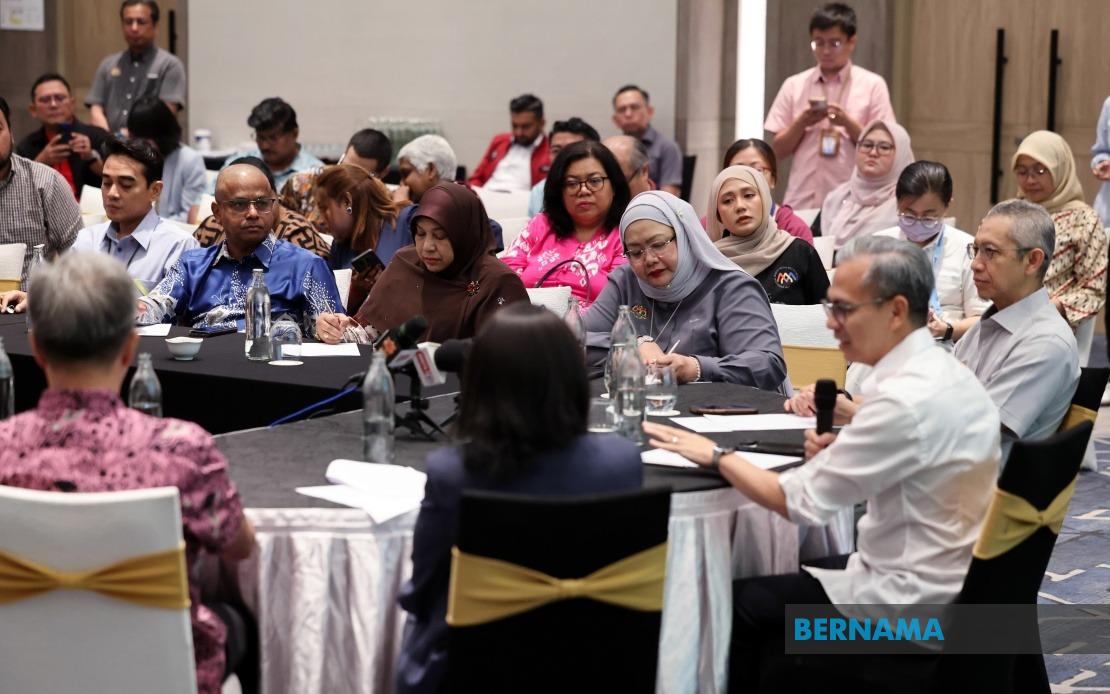
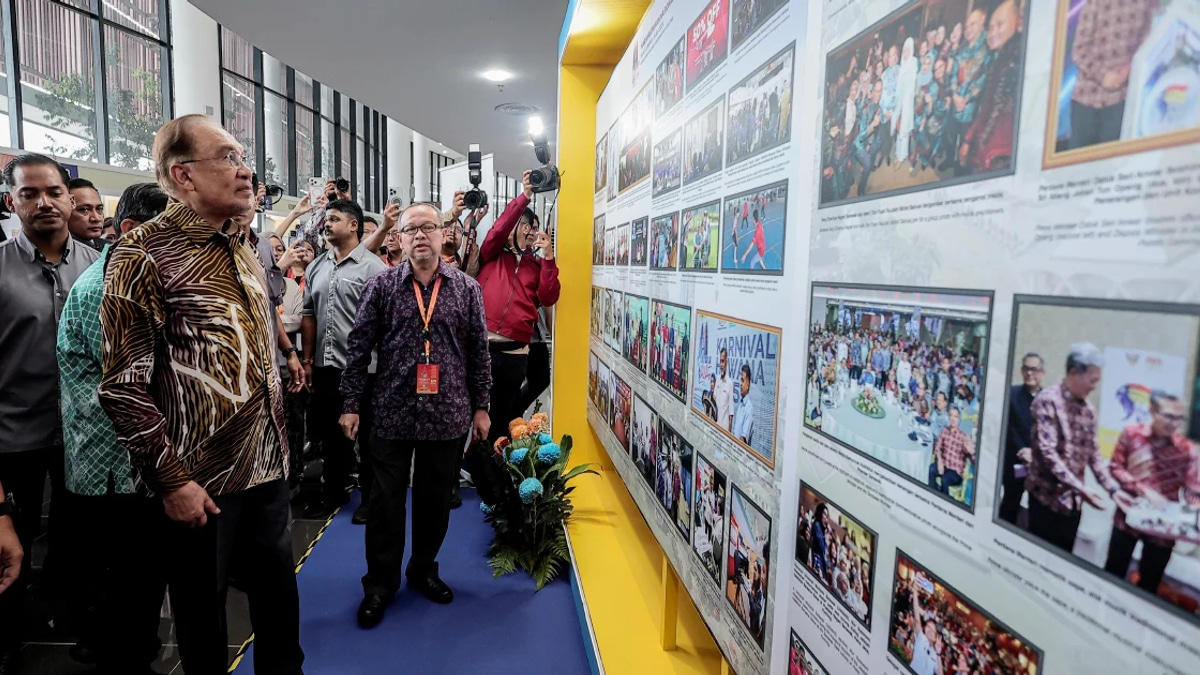
More than a thousand journalists, media executives, and strategic partners from across Malaysia and the broader ASEAN region have commenced their arrival at the PICCA@Arena Butterworth Convention Centre for the inaugural HAWANA 2026 Summit. The gathering, which took off on June 20, represents a significant regional convocation focused on the state of journalism and information integrity in Southeast Asia. Early attendees have already begun exploring the convention facilities, including dedicated exhibition spaces and a curatorial photo gallery positioned in the foyer, which showcase industry innovations and historical documentation of media development across the region.
The influx of delegates reflects the growing importance of cross-border collaboration among news organisations and communicators facing shared challenges. During the opening hours, participants seized the chance to reconnect with peers they have collaborated with or encountered through their professional networks, despite the competing demands of their respective newsrooms and editorial operations. These informal interactions during the registration and welcome phase often prove as valuable as formal programming, fostering partnerships that extend beyond the summit itself and strengthening the fabric of regional journalism practices.
The participation of official delegations from ASEAN member states underscores the summit's role as a cornerstone event for advancing media cooperation throughout Southeast Asia. By bringing together practitioners from different national contexts, the event facilitates dialogue about common standards, ethical frameworks, and professional development priorities that transcend individual markets. This international dimension is particularly significant for Malaysia, which holds considerable influence within ASEAN frameworks and has positioned itself as a bridge between developed and developing media markets in the region.
The chosen theme, 'Media Integrity Strengthens Credibility', directly addresses the contemporary crisis of trust that journalists worldwide confront. In the Malaysian and ASEAN context, where misinformation campaigns and state interference pose persistent threats to editorial independence, this thematic emphasis carries particular weight. The summit's focus on integrity suggests organisers recognise that rebuilding public confidence in news institutions requires systematic attention to verification standards, source protection, and transparent editorial processes—issues that resonate across the region's diverse media landscapes.
Prime Minister Datuk Seri Anwar Ibrahim's role in officially inaugurating the summit signals government recognition of journalism's institutional importance. His presence lends political weight to discussions about media freedom and professional standards, though it also raises questions about how state actors and news organisations can negotiate their relationship while maintaining appropriate boundaries. The ministerial involvement, through the Ministry of Communications, positions HAWANA as a formally recognised professional summit rather than a purely industry-led initiative, which may enhance its influence over regulatory frameworks and industry standards development.
Bernama, the Malaysian National News Agency, serves as the implementing body for the summit and represents the principal state institution for news dissemination. The agency's role in organising HAWANA reflects Malaysia's commitment to establishing itself as a hub for journalism excellence and regional media dialogue. As a government-linked entity, Bernama carries responsibility for balancing its state media functions with genuine promotion of broader journalistic values that transcend official communications. This tension, inherent in the structure of national news agencies, remains relevant to understanding how HAWANA navigates questions of editorial freedom and professional autonomy.
The summit operates under the auspices of the Ministry of Communications, which oversees the regulatory and policy landscape governing broadcasting, digital media, and print journalism. This ministerial sponsorship ensures alignment between professional best practices discussed at the summit and government policy directions, though it also creates potential for controversy if the forum becomes perceived as a mechanism for advancing particular administrative agendas rather than serving broader journalistic interests. The ministry's involvement suggests the government views professional journalism standards as integral to national communications strategy.
HAWANA's stated mission encompasses recognition of journalists' contributions to accurate and verified reporting, reflecting an understanding that public trust depends on tangible professional standards and ethical conduct. By honouring practitioners and their institutions, the summit acknowledges that journalism represents not merely commercial activity but a public service function deserving formal recognition and support. This framing appeals particularly to journalists who feel undervalued by market pressures and political hostility that characterise contemporary media environments across Southeast Asia.
The decision to host the summit in Butterworth, within Penang state, rather than Kuala Lumpur or another major metropolitan centre, suggests deliberate efforts to decentralise media discourse and acknowledge journalism's importance beyond national capital hubs. Regional media industries throughout Malaysia contribute substantially to local news ecosystems and often operate with distinct editorial cultures shaped by local concerns. By bringing international and national delegates to Penang, organisers signal recognition of regional journalism's value and create space for peripheral voices to contribute to regional conversations.
For Malaysian media practitioners specifically, the summit provides structured opportunity to benchmark their operations against international standards, particularly those practiced by more established news organisations in developed ASEAN economies like Singapore and Thailand. This comparative learning process proves essential for improving professional practices, developing new digital strategies, and strengthening editorial resilience in environments where commercial viability and political pressure simultaneously threaten newsroom sustainability. Such professional development forums remain vital for an industry often stretched across multiple platforms with limited resources for dedicated training.
The gathering also carries implications for media regulation and industry self-governance across the region. Discussions initiated at professional summits frequently influence subsequent policy developments, industry codes of conduct, and institutional practices. For Malaysia, where regulatory frameworks governing news media remain contested and evolve regularly, HAWANA provides a venue for practitioners to collectively articulate professional standards and advocate for conditions enabling quality journalism. The regional dimension allows Malaysian voices to contribute to broader Southeast Asian conversations about media sustainability and professional ethics.
The international composition of attendees creates opportunities for understanding how different countries approach persistent challenges including digital transition, economic viability, and resistance to state pressure. ASEAN nations employ varying regulatory approaches, funding models, and institutional structures governing journalism, and informal knowledge-sharing among practitioners can facilitate innovation and mutual learning. Malaysian journalists can observe approaches tested in neighbouring markets and adapt successful strategies to local conditions, while simultaneously contributing Malaysian experiences to regional understanding of contemporary journalism challenges.

%22%2F%3E%3C%2Fpattern%3E%3C%2Fdefs%3E%3Crect%20width%3D%22100%25%22%20height%3D%22100%25%22%20fill%3D%22url(%23ph2hy9vg)%22%2F%3E%3Crect%20width%3D%22100%25%22%20height%3D%22100%25%22%20fill%3D%22url(%23ph2hy9vp)%22%2F%3E%3Ctext%20x%3D%2250%25%22%20y%3D%2250%25%22%20text-anchor%3D%22middle%22%20dominant-baseline%3D%22central%22%20fill%3D%22rgba(255%2C255%2C255%2C0.95)%22%20font-family%3D%22Georgia%2C%20'Times%20New%20Roman'%2C%20serif%22%20font-weight%3D%22700%22%20font-size%3D%22272%22%20letter-spacing%3D%22-0.02em%22%3EAnwar%3C%2Ftext%3E%3C%2Fsvg%3E)