The Malaysian United Democratic Alliance (MUDA) has unveiled its strategy for retaining the Puteri Wangsa constituency in the forthcoming Johor state election by fielding Rashifa Aljunied, a 26-year-old service centre coordinator who has been active within the party machinery. The formal nomination was unveiled by MUDA president Amira Aisya Abdul Aziz during a media briefing in Johor Bahru on June 20, signalling the party's intention to defend what remains its sole state legislative seat from the 2022 election cycle.
Rashifa brings grassroots experience to the candidacy, having served in a substantive operational capacity at the Puteri Wangsa service centre, where she has been instrumental in connecting constituents with party resources and development programmes. Her selection reflects deliberations within the upper echelons of MUDA's leadership structure, according to party president Aisya, who emphasised that the nomination process involved comprehensive consultations across the party hierarchy and organisational machinery. The decision to champion a younger candidate aligns with MUDA's broader positioning as a reform-oriented force in Malaysian politics, particularly among voters seeking alternatives to the established coalition frameworks.
The shift in representation stems from Aisya's strategic pivot toward the national legislative arena. Having secured Puteri Wangsa with a commanding majority of 7,114 votes in a six-candidate contest during the 2022 state elections, Aisya is now concentrating her political capital on the parliamentary constituency she will contest during the 16th General Election. This repositioning illustrates the tactical calculations within MUDA as the party navigates simultaneous electoral cycles at state and federal levels, requiring senior figures to concentrate resources where they perceive the greatest opportunity for institutional advancement.
The decision carries particular significance for MUDA's trajectory within Johor's competitive political landscape. Since its breakthrough in 2022, the party has struggled to establish itself beyond isolated pockets of support, making Puteri Wangsa a symbolic stronghold that requires defensive attention. Fielding Aljunied represents a commitment to preserving this foothold while simultaneously allowing Aisya to pursue higher office. The nomination signals confidence in both the candidate's capacity to maintain the seat and the party's underlying organisational presence within the constituency.
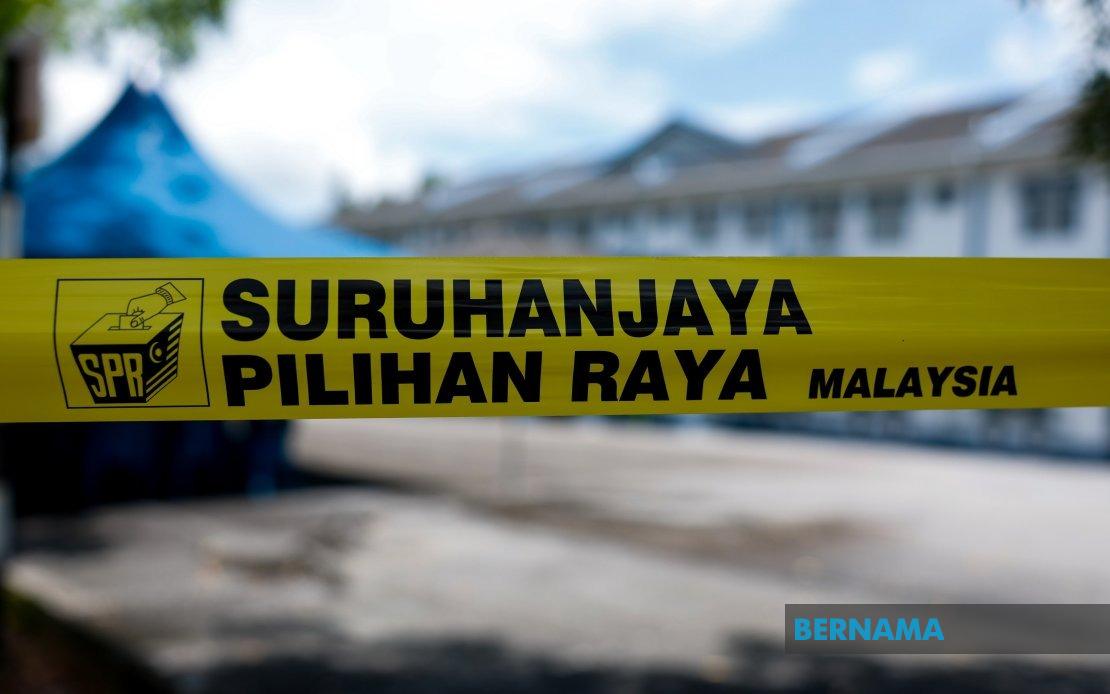
The Johor state election itself constitutes a significant electoral event within the Malaysian political calendar, with the Election Commission having scheduled polling for July 11. The nomination period opens on June 27, with early voting provisions available on July 7 for those unable to cast ballots on the principal polling date. These temporal parameters compress the campaign timeline considerably, limiting candidates and parties to merely two and a half weeks for intensive canvassing and voter mobilisation efforts prior to ballots being cast.
Johor's electoral dynamics have shifted markedly since the 2022 state elections, which produced a fractured political outcome requiring coalition arrangements among various parties to form a functional state government. The intervening period has witnessed considerable political realignment, with several smaller parties gaining or losing ground depending on shifting voter preferences and inter-party negotiations. MUDA's presence within this evolving environment remains modest by numerical measures, yet the party's retention of Puteri Wangsa has granted it parliamentary representation and elevated its credibility among reform-minded constituencies throughout the southern region.
For Malaysian voters monitoring the state's political direction, the Johor election presents an opportunity to reassess which coalitional arrangements best serve the state's governance interests. The involvement of younger candidates such as Aljunied reflects an apparent generational transition occurring across multiple political entities, as established figures progressively make space for emergent leadership cohorts. This transition carries implications for policy orientations and campaign messaging, potentially tilting discourse toward issues resonating with younger demographic segments including employment prospects, education accessibility, and digital transformation.
MUDA has indicated that additional candidacy announcements will follow, with the party scheduled to reveal further nomination decisions through a subsequent briefing in Kuala Lumpur. This phased approach to candidate disclosure suggests that the party intends to manage media attention across multiple announcement cycles, potentially amplifying overall coverage of its Johor campaign proposition. The strategy acknowledges that concentrated announcement periods risk information saturation, whereas distributed revelations maintain sustained press engagement throughout the pre-nomination interval.
The party's legislative presence in Johor, though limited in numerical terms, has provided MUDA with grassroots organisational experience and constituent service credentials that reinforce its credibility as a serious political alternative. Aljunied's nomination reflects the party's determination to leverage these accumulated advantages while positioning itself as a repository for reform aspirations within the state. Whether this candidacy strategy proves sufficient to retain the seat amid a competitive multi-cornered contest remains contingent upon broader electoral dynamics and voter sentiment shifts in the intervening weeks prior to July 11.
%22%2F%3E%3C%2Fpattern%3E%3C%2Fdefs%3E%3Crect%20width%3D%22100%25%22%20height%3D%22100%25%22%20fill%3D%22url(%23ph2hy9vg)%22%2F%3E%3Crect%20width%3D%22100%25%22%20height%3D%22100%25%22%20fill%3D%22url(%23ph2hy9vp)%22%2F%3E%3Ctext%20x%3D%2250%25%22%20y%3D%2250%25%22%20text-anchor%3D%22middle%22%20dominant-baseline%3D%22central%22%20fill%3D%22rgba(255%2C255%2C255%2C0.95)%22%20font-family%3D%22Georgia%2C%20'Times%20New%20Roman'%2C%20serif%22%20font-weight%3D%22700%22%20font-size%3D%22272%22%20letter-spacing%3D%22-0.02em%22%3EAnwar%3C%2Ftext%3E%3C%2Fsvg%3E)