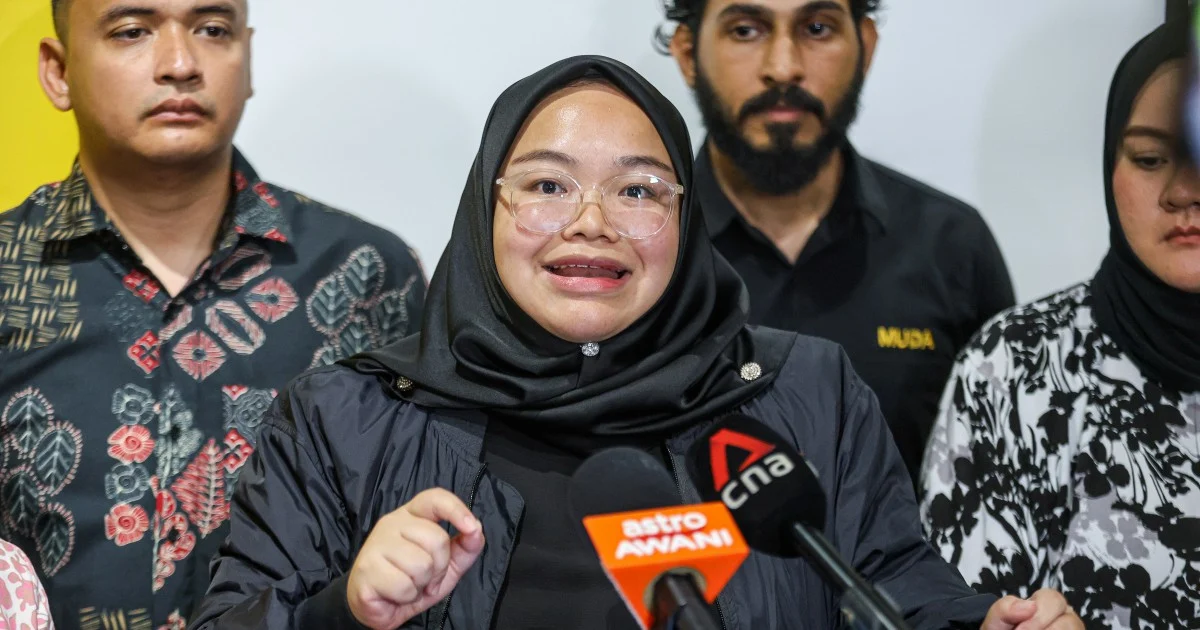
The political landscape in Johor is showing signs of cautious realignment as Muda and Bersatu navigate closer working relations without yet committing to a formal electoral alliance ahead of the state election. The two parties, while maintaining cordial interactions at the state level, have not reached any binding arrangement that would see them jointly contest seats or coordinate campaign strategies, signalling that negotiations remain fluid and provisional.
Muda's deliberate positioning reflects the broader strategic calculations at play in Malaysian politics, where younger and newer political movements seek to establish themselves as credible alternatives while managing relationships with established players. The party's emphasis on good ties without formal commitment suggests a pragmatic approach—maintaining options and flexibility rather than immediately locking into exclusive partnerships that could limit future manoeuvres. This stance is particularly relevant in Johor, a state where political dynamics have been increasingly volatile following internal upheavals in both Umno and Bersatu during recent years.
Bersatu's own positioning in Johor remains complex given the party's fluid role within Malaysia's broader coalitional framework. Once considered a splinter from Umno with personal loyalties to Muhyiddin Yassin, the party has sought to carve out distinct electoral space while navigating relationships with other Malay-Muslim political entities. Any formal alliance with Muda would signal a conscious choice to appeal beyond traditional Bersatu constituencies, potentially to younger urban voters or those dissatisfied with more established parties. The absence of a signed deal suggests both parties are assessing whether such cooperation would yield mutual electoral benefits or create complications with existing coalitional partners.
The significance of Johor in this narrative cannot be understated. As Malaysia's second-largest state by population and traditionally a stronghold for federal political movements, Johor has become increasingly unpredictable. The state witnessed dramatic shifts in 2023 following internal ruptures within the ruling coalition, with various parties jockeying for advantage. Any new alignment in Johor carries ripple effects across the peninsula, influencing how other parties recalibrate their own state-level strategies and federal coalition positioning.
Muda's cautious approach also reflects the party's broader challenge as a relative newcomer seeking legitimacy without appearing opportunistic. Founded explicitly to appeal to younger voters and those seeking fresh political voices, Muda risks diluting its brand if perceived as simply pragmatically accommodating established players. The party's careful messaging about ties with Bersatu—good but uncommitted—attempts to maintain this balance, suggesting genuine conversations without surrendering independent identity or electoral positioning.
For Malaysian voters and analysts, the unresolved status of Muda-Bersatu cooperation in Johor serves as a microcosm of contemporary coalition politics. Rather than the more rigid bloc alignments of previous decades, parties now engage in fluid, issue-specific, and geographically variable partnerships. Electoral cooperation might occur in certain constituencies while remaining absent in others; parties might coordinate on specific policy issues without committing to comprehensive campaign alliances. This fragmentation reflects both the declining loyalty voters show to traditional parties and the increased complexity of aggregating diverse interests into stable electoral coalitions.
The timing of these discussions is significant given that state elections remain on the political calendar across Malaysia. Johor's election date, while not officially announced, generates constant speculation and incentivises parties to build and strengthen relationships quietly before formal campaigning commences. The fact that Muda and Bersatu maintain an open dialogue suggests both recognise potential mutual benefits, whether through seat allocation agreements, campaign support, or policy alignment on specific constituencies.
Regional observers note that Muda's presence across multiple states means the party's approach in Johor will signal broader strategic intentions. If Muda ultimately moves toward formal cooperation with Bersatu in Johor, this could indicate the party is shifting toward becoming a more conventional political actor willing to negotiate traditional electoral pacts. Conversely, if Muda contests independently or pursues alternative alignments, this would reinforce the party's positioning as distinct from established political movements seeking partnerships with fresh voices.
Bersatu, meanwhile, faces its own strategic choices regarding which parties to align with as it attempts to maintain parliamentary and state-level relevance. The party's historical dominance in Johor has diminished, requiring careful coalition management to remain electorally viable. Discussions with Muda represent one strand of broader calculations involving relationships with Umno, Malay-Muslim constituency politics, and federal coalition positioning. Without public commitment, Bersatu preserves flexibility to negotiate with other potential partners while testing whether cooperation with Muda generates genuine electoral advantages.
Looking forward, the resolution of Muda-Bersatu discussions in Johor will depend on several factors including internal party deliberations, feedback from grassroots supporters, and assessments of voter appetite for different electoral combinations. The parties' current positioning—engaged but uncommitted—provides breathing room for negotiations to deepen or to pivot toward alternative arrangements. This reflects the pragmatic reality of contemporary Malaysian politics where public statements about cooperation often understate the complex, ongoing negotiations occurring behind closed doors.

%22%2F%3E%3C%2Fpattern%3E%3C%2Fdefs%3E%3Crect%20width%3D%22100%25%22%20height%3D%22100%25%22%20fill%3D%22url(%23ph2hy9vg)%22%2F%3E%3Crect%20width%3D%22100%25%22%20height%3D%22100%25%22%20fill%3D%22url(%23ph2hy9vp)%22%2F%3E%3Ctext%20x%3D%2250%25%22%20y%3D%2250%25%22%20text-anchor%3D%22middle%22%20dominant-baseline%3D%22central%22%20fill%3D%22rgba(255%2C255%2C255%2C0.95)%22%20font-family%3D%22Georgia%2C%20'Times%20New%20Roman'%2C%20serif%22%20font-weight%3D%22700%22%20font-size%3D%22272%22%20letter-spacing%3D%22-0.02em%22%3EAnwar%3C%2Ftext%3E%3C%2Fsvg%3E)