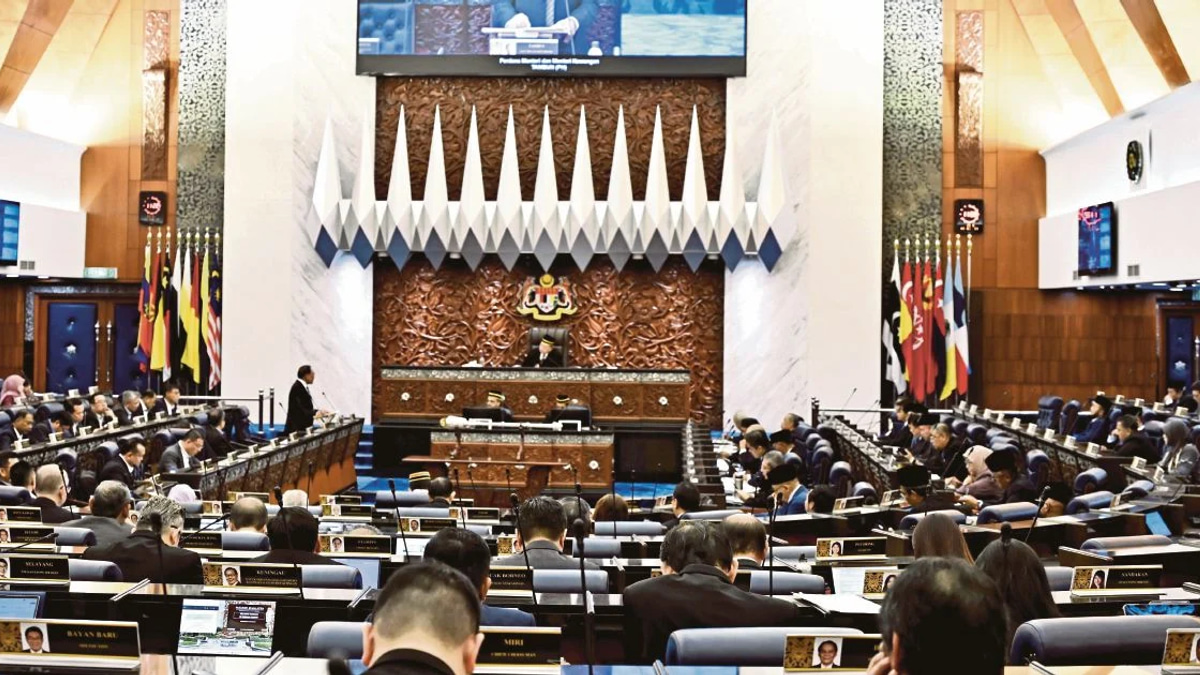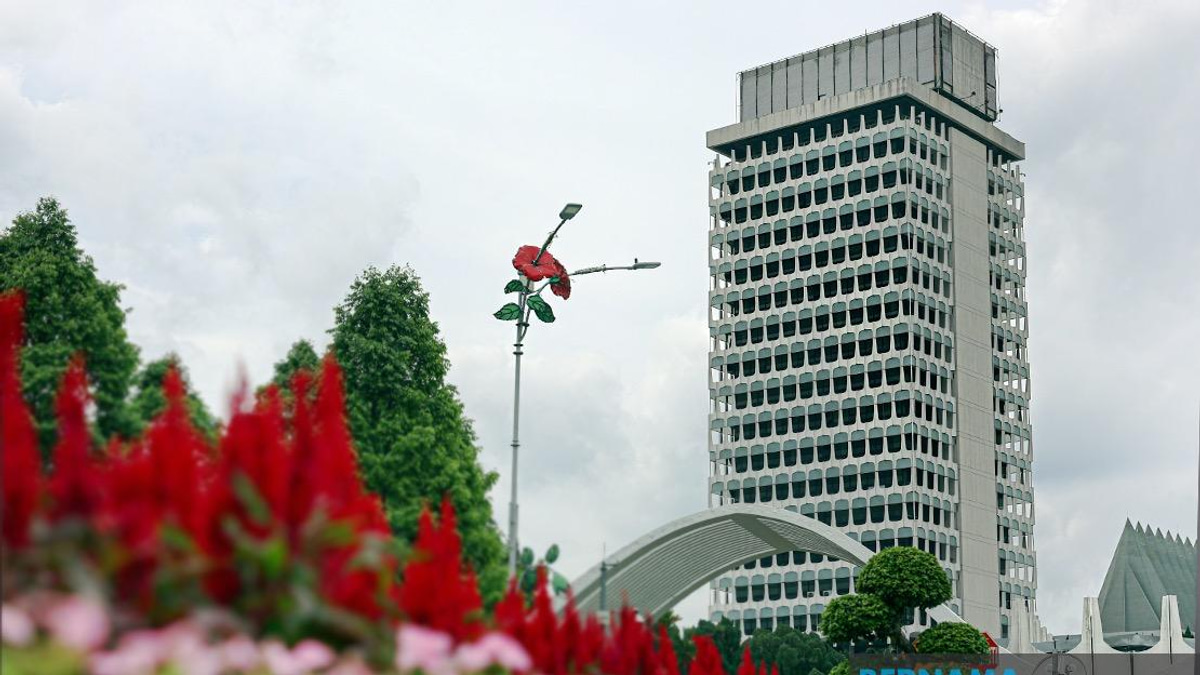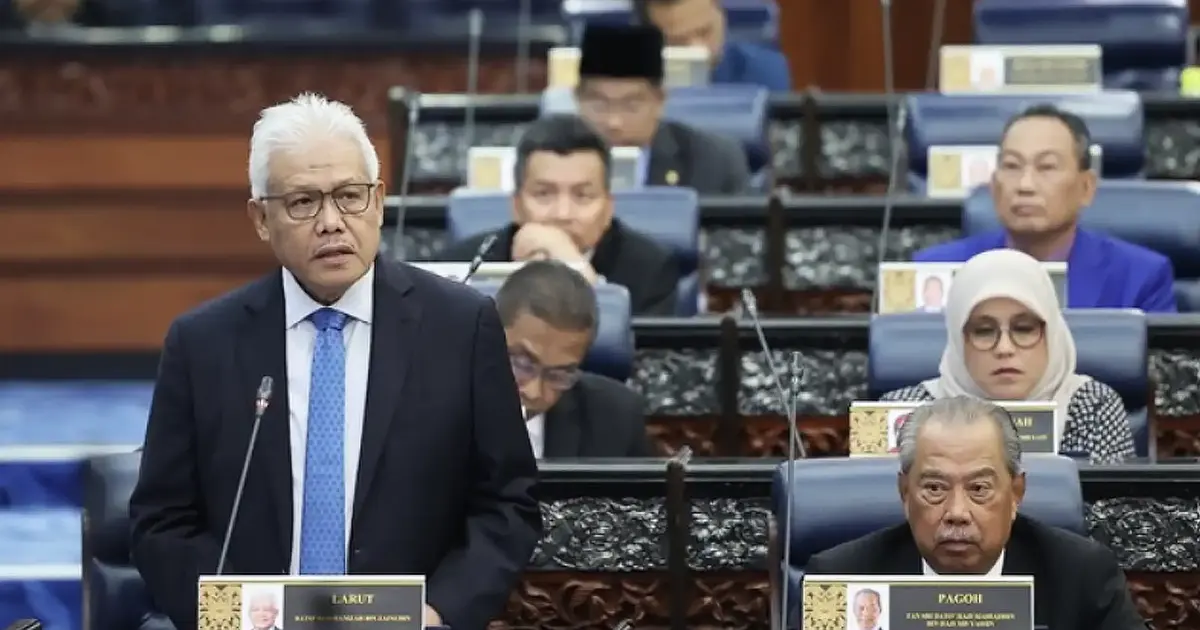
Dewan Rakyat Speaker Johari Abdul has revealed that Tan Sri Muhyiddin Yassin made a formal request to alter his seating position within the lower chamber of Parliament, marking a notable development in the country's parliamentary dynamics following recent political realignments.
The speaker's disclosure comes as Parliament continues to navigate shifts in its composition and leadership structure. While the precise reasons behind Muhyiddin's request remain unclear, such seating changes can reflect broader positioning within parliamentary affairs and the alignment of political factions during legislative sessions. The timing of the request coincides with ongoing developments in Malaysia's political landscape that have seen various coalitions and opposition arrangements evolve.
In a concurrent development, Johari Abdul formally announced that he has received official documentation confirming Hamzah Zainudin, the Member of Parliament representing the Larut constituency, as the opposition leader. This recognition represents a significant institutional step in formalising the opposition's organisational structure within Parliament. The formal acknowledgment through written correspondence establishes the official channel through which government and opposition business will be coordinated during parliamentary proceedings.
Hamzah Zainudin's appointment as opposition leader carries implications for how parliamentary scrutiny and legislative debates will be conducted during the current parliamentary term. As the senior opposition figure, he will hold responsibility for coordinating opposition responses to government policies, leading parliamentary questions, and representing the opposition's interests in formal parliamentary business. His positioning reflects the current balance of parliamentary strength and the opposition's strategic choices regarding leadership and representation.
The speaker's role in confirming these arrangements underscores the importance of the parliamentary administrative structure in formalising political relationships. Johari Abdul, as the presiding officer of the Dewan Rakyat, serves as custodian of parliamentary procedures and protocols, including the recognition of party leaders and the management of seating arrangements. These administrative confirmations carry significance beyond mere procedural matters, as they formally establish the parliamentary landscape that will frame interactions between government and opposition during legislative sessions.
For Malaysian observers and regional analysts, these developments illustrate the fluid nature of parliamentary politics in the current era. The configuration of opposition leadership and internal parliamentary arrangements reflect the broader political environment in which no single coalition commands overwhelming parliamentary dominance. This distribution of power creates specific dynamics in how legislation is debated, scrutinised, and ultimately enacted within the chamber.
The establishment of clear opposition leadership through formal documentation serves to streamline parliamentary business by providing a defined point of contact for government-opposition interactions. This clarity becomes particularly important during complex legislative processes or when significant policy matters require detailed parliamentary discussion and potential amendment negotiations.
Muhyiddin's request for seating adjustment, while appearing procedural on its surface, may reflect tactical considerations regarding visibility, positioning during parliamentary exchanges, or logistical preferences related to his parliamentary work. Seating arrangements in legislatures can influence both the practical conduct of business and the symbolic positioning of political figures within the chamber.
These announcements emerge within the context of Malaysia's recent political history, marked by coalition formations, realignments, and shifts in opposition composition. The formalisation of Hamzah Zainudin's role as opposition leader provides institutional clarity to these arrangements and establishes the framework through which parliamentary opposition will function during the current term.
Regional implications of Malaysia's parliamentary developments warrant consideration, particularly for neighbouring Southeast Asian democracies observing how Malaysian institutions manage political transitions and opposition roles. The processes through which parliaments formally recognise opposition leadership and adjust internal arrangements offer insights into institutional resilience and procedural adaptation.
Moving forward, the speaker's confirmations establish the operational foundation for parliamentary work involving government-opposition interactions. Hamzah Zainudin's formal recognition as opposition leader provides clarity for parliamentary scheduling, question time arrangements, and the coordination of legislative scrutiny. The implementation of Muhyiddin's seating request will complete the administrative adjustments necessary for Parliament to conduct its business under the current political configuration.
These developments, while technical in nature, reflect the ongoing maturation of Malaysia's parliamentary practices and the importance of formal institutional recognition in establishing clear relationships between government and opposition. As Parliament continues its work, the clarification of leadership roles and physical arrangements within the chamber provides structure for the democratic processes that define Malaysia's legislative function.