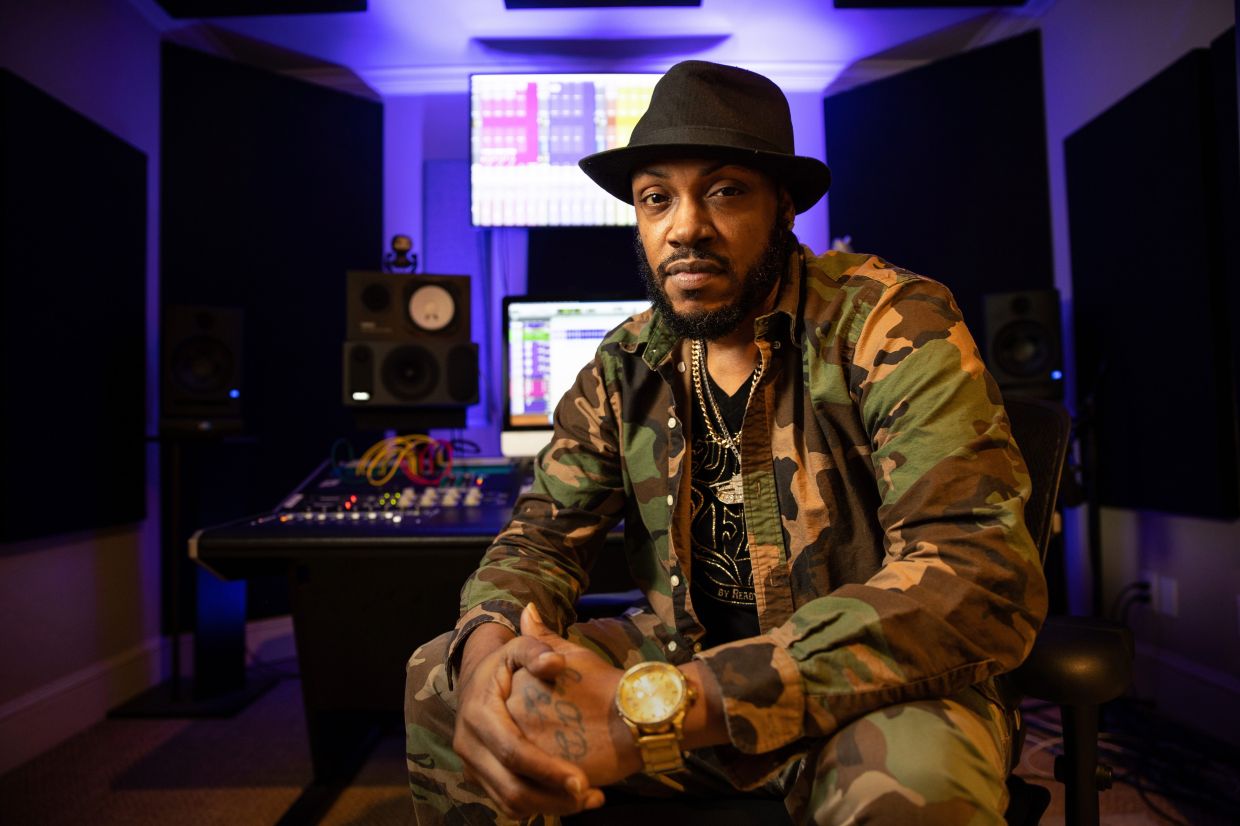
Grammy Award-nominated American rapper Mystikal, born Michael Lawrence Tyler, will spend the next two decades behind bars after receiving a 20-year prison sentence for the rape of a woman at his residence in Prairieville, Louisiana. The conviction marks a significant fall from grace for an artist who once stood among hip-hop's most celebrated performers, securing multiple Grammy nominations during the height of his career in the early 2000s.
Typically, the crime of first-degree rape in Louisiana carries a mandatory life sentence, but Mystikal's guilty plea to the lesser charge of third-degree rape in March enabled him to accept a sentencing cap of 20 years instead. This five-year reduction from the maximum possible penalty represented the outcome of a negotiated plea arrangement that allowed prosecutors to secure a conviction while avoiding the uncertainty of a trial. The decision to accept the plea deal fundamentally altered the trajectory of his legal case, trading the risk of an automatic life sentence for a defined term of incarceration.
The rapper's last-minute request to withdraw his guilty plea, made just days before his sentencing hearing on Tuesday, did not succeed. In his bid to reverse course, Mystikal claimed through his legal team that he lacked adequate time to comprehend the full implications of accepting responsibility for the crime. According to reporting from ABC affiliate WBRZ, the judge rejected this eleventh-hour request, allowing the sentencing to proceed as scheduled.
The victim's impact statement delivered directly to the presiding judge provided harrowing details of the alleged assault. She recounted how Mystikal had struck her, constricted her airway through choking, forcibly removed her braids, and sexually assaulted her within his Prairieville home, situated approximately 18 miles from the Louisiana state capital of Baton Rouge. Before the judge imposed sentence, the woman explicitly requested that the court apply maximum punishment, underscoring the severity of her trauma and her desire for the harshest permissible consequence.
Mystikal responded to this testimony with what appeared to be an acknowledgment of the gravity of his actions. According to local television coverage, he stated that if he had committed such violence against someone else, he himself would merit the maximum sentence available under law. The statement, whether genuine remorse or tactical positioning, came too late to influence the outcome, as the judge had already determined the appropriate penalty.
The 2022 incident that triggered this prosecution has kept Mystikal in custody for an extended period. He has remained detained without the possibility of bail at the Ascension Parish Jail since his initial arrest following the alleged assault, meaning he has already spent considerable time in pre-trial and post-conviction incarceration. His legal representatives have not yet provided public commentary regarding the sentencing outcome or future legal options.
This conviction represents Mystikal's second major entanglement with sexual assault charges spanning two decades. In 2003, at the zenith of his commercial success when he received Grammy nominations across two categories including best rap album, Mystikal pleaded guilty to sexual battery charges arising from a separate incident. That conviction resulted in a six-year prison sentence, suggesting a pattern of behaviour that should have served as a cautionary period for reflection and rehabilitation.
Mystikal's ascent to mainstream prominence occurred throughout the 1990s, establishing him as a fixture in hip-hop during an era of significant artistic innovation and commercial expansion within the genre. His track record of chart success and industry recognition during the 2000s demonstrated his capacity to maintain relevance and cultivate a substantial fanbase. Yet the contrast between his peak earning years and his current circumstances underscores how completely legal jeopardy and criminal conviction can dismantle a carefully constructed entertainment career.
For Malaysian entertainment audiences following international music industry developments, the case illustrates broader conversations about accountability within entertainment circles and the evolving willingness of criminal justice systems to pursue high-profile cases to completion. The sentencing also reflects shifting cultural attitudes toward sexual violence allegations, where victim testimony carries substantial weight in judicial proceedings and where plea agreements provide a mechanism for resolution when evidence appears overwhelming.
The rapper's incarceration will span the majority of his remaining professional years, effectively concluding any realistic prospect of career rehabilitation or musical comeback. While other artists have managed comebacks following legal troubles, a 20-year sentence at this stage of Mystikal's life presents an insurmountable obstacle to any meaningful return to entertainment prominence. His legacy will consequently be substantially defined by these convictions rather than by his earlier musical accomplishments.


%22%2F%3E%3C%2Fpattern%3E%3C%2Fdefs%3E%3Crect%20width%3D%22100%25%22%20height%3D%22100%25%22%20fill%3D%22url(%23ph2hy9vg)%22%2F%3E%3Crect%20width%3D%22100%25%22%20height%3D%22100%25%22%20fill%3D%22url(%23ph2hy9vp)%22%2F%3E%3Ctext%20x%3D%2250%25%22%20y%3D%2250%25%22%20text-anchor%3D%22middle%22%20dominant-baseline%3D%22central%22%20fill%3D%22rgba(255%2C255%2C255%2C0.95)%22%20font-family%3D%22Georgia%2C%20'Times%20New%20Roman'%2C%20serif%22%20font-weight%3D%22700%22%20font-size%3D%22272%22%20letter-spacing%3D%22-0.02em%22%3EAnwar%3C%2Ftext%3E%3C%2Fsvg%3E)