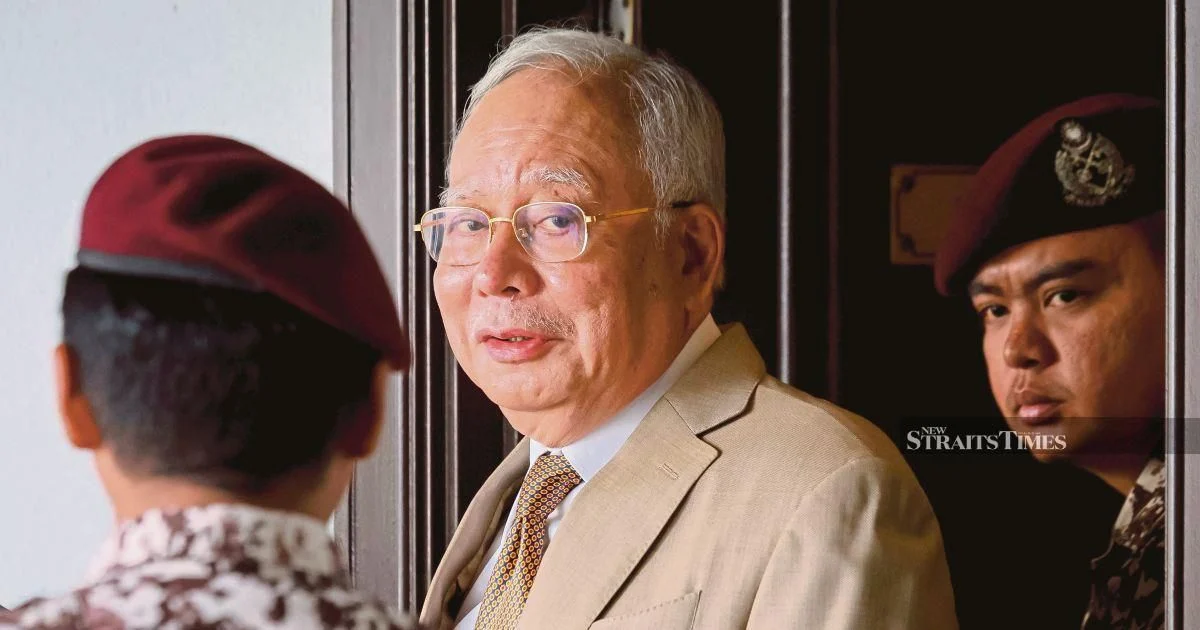
Malaysia's judiciary has delivered a damaging characterisation of former Prime Minister Datuk Seri Najib Razak's response to his central role in the 1Malaysia Development Bhd scandal, concluding that he exhibited no genuine contrition despite the fund's spectacular collapse and the economic damage it inflicted on the nation.
The court's assessment strikes at the heart of Najib's legal defence and public positioning throughout the prolonged scandal that has consumed Malaysian politics since 2015. Rather than accepting responsibility for decisions made under his administration, Najib pursued a consistent strategy of attributing fault to subordinates and other individuals involved in the scheme, according to the court's findings. This refusal to acknowledge personal accountability has become a defining characteristic of his response to allegations that billions of ringgit disappeared from the sovereign wealth fund under his watch.
The 1MDB saga represents one of the largest financial scandals in modern history, with investigations ultimately implicating multiple layers of Malaysia's political and financial establishment. The fund was ostensibly created to accelerate Malaysia's economic development and invest in strategic sectors, but instead became a vehicle for alleged theft on an unprecedented scale. The revelation of the scandal prompted international investigations spanning multiple jurisdictions and resulted in billions of dollars in asset recoveries from countries including the United States, Singapore, and others.
Najib's approach to the legal proceedings has been carefully calibrated to maintain his political influence while defending against mounting criminal charges. By consistently shifting emphasis toward other actors—including former deputy prime ministers, finance ministry officials, and international intermediaries—he has sought to position himself as deceived rather than as the primary architect of alleged wrongdoing. This narrative has resonated with segments of his political base, but the court's explicit finding that he demonstrated no remorse challenges the effectiveness of this defensive positioning.
The judicial commentary carries weight beyond the immediate trial proceedings. In Malaysian jurisprudence, a defendant's demeanour and acceptance of responsibility are frequently considered during sentencing deliberations, and courts often view genuine remorse as a mitigating factor. Najib's failure to demonstrate contrition, as documented by the court, potentially eliminates a significant avenue for reducing any sentence he may face. This finding effectively narrows the range of arguments available to his legal team should conviction occur.
Politically, the court's assessment complicates Najib's broader narrative within the United Malays National Organisation and the broader Malay-Muslim constituency he has cultivated. Despite the scandal, Najib has retained considerable support among certain demographics who view him as a victim of political persecution by subsequent administrations. The court's specific finding regarding his lack of remorse, however, introduces an objective record that undermines claims of innocence or victimhood, positioning him instead as unrepentant regardless of guilt or innocence determinations.
The 1MDB affair has had enduring ramifications for Malaysian governance and international standing. The scandal prompted significant reforms in financial oversight, corporate governance structures, and anti-corruption enforcement mechanisms. It also contributed to political instability, ultimately playing a role in the electoral transition that removed Najib's government in 2018 and subsequently influenced coalition dynamics through multiple administrations. The scandal's economic cost extended beyond the direct theft, encompassing reputational damage that affected Malaysia's international investment climate and diplomatic relationships.
The court's characterisation also reflects broader public and institutional frustration with the extended litigation process. Years of proceedings, legal appeals, and procedural delays have kept the scandal in Malaysian public consciousness without achieving definitive judicial closure on all related matters. Najib's consistent deflection of responsibility, documented now in formal court findings, represents the most visible manifestation of how key actors in the scandal have responded to accountability mechanisms.
For Malaysian and Southeast Asian observers, the court's assessment carries implications for understanding how high-level political figures navigate major financial scandals. The finding that Najib demonstrated no remorse despite overwhelming evidence of wrongdoing illustrates a particular defensive strategy: rather than acknowledging mistakes or taking responsibility, maintain steadfast denial and redirect blame downward through administrative hierarchies. This approach, whether ultimately successful in court, has proven effective in retaining political support among certain segments of the population.
Looking forward, the court's formal documentation of Najib's lack of remorse may influence how subsequent judicial proceedings unfold and how historical assessments of the scandal ultimately crystallise. The distinction between demonstrating remorse and disputing guilt or involvement is crucial, as Najib could theoretically maintain both positions—claiming innocence while the court simultaneously notes his demonstrated absence of contrition for his administrative role. This nuanced reading has consequences for understanding how accountability operates in Malaysian politics when major financial crimes occur at the highest levels.
The broader implications for Malaysian governance centre on institutional independence and the capacity of courts to document and judge not merely factual guilt but also the character and sincerity of responses from powerful figures. The court's explicit finding that Najib showed no remorse becomes part of the permanent record, shaping historical understanding of the scandal and influencing how subsequent Malaysian administrations and international observers evaluate the adequacy of accountability mechanisms in the country's governance framework.


%22%2F%3E%3C%2Fpattern%3E%3C%2Fdefs%3E%3Crect%20width%3D%22100%25%22%20height%3D%22100%25%22%20fill%3D%22url(%23ph2hy9vg)%22%2F%3E%3Crect%20width%3D%22100%25%22%20height%3D%22100%25%22%20fill%3D%22url(%23ph2hy9vp)%22%2F%3E%3Ctext%20x%3D%2250%25%22%20y%3D%2250%25%22%20text-anchor%3D%22middle%22%20dominant-baseline%3D%22central%22%20fill%3D%22rgba(255%2C255%2C255%2C0.95)%22%20font-family%3D%22Georgia%2C%20'Times%20New%20Roman'%2C%20serif%22%20font-weight%3D%22700%22%20font-size%3D%22272%22%20letter-spacing%3D%22-0.02em%22%3EAnwar%3C%2Ftext%3E%3C%2Fsvg%3E)