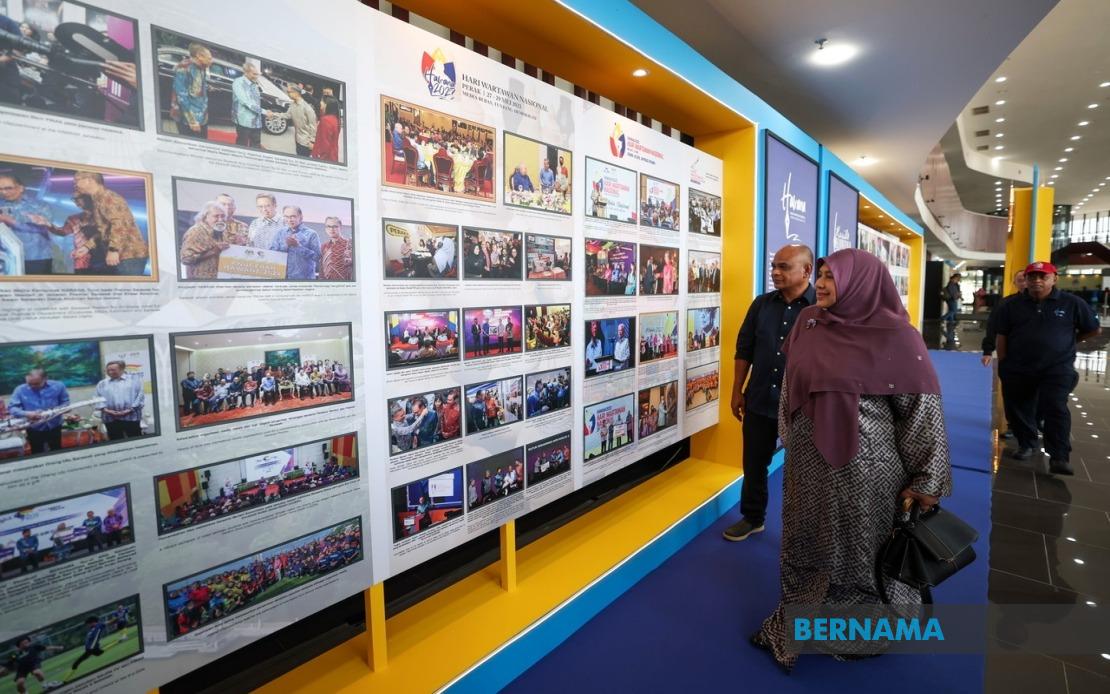
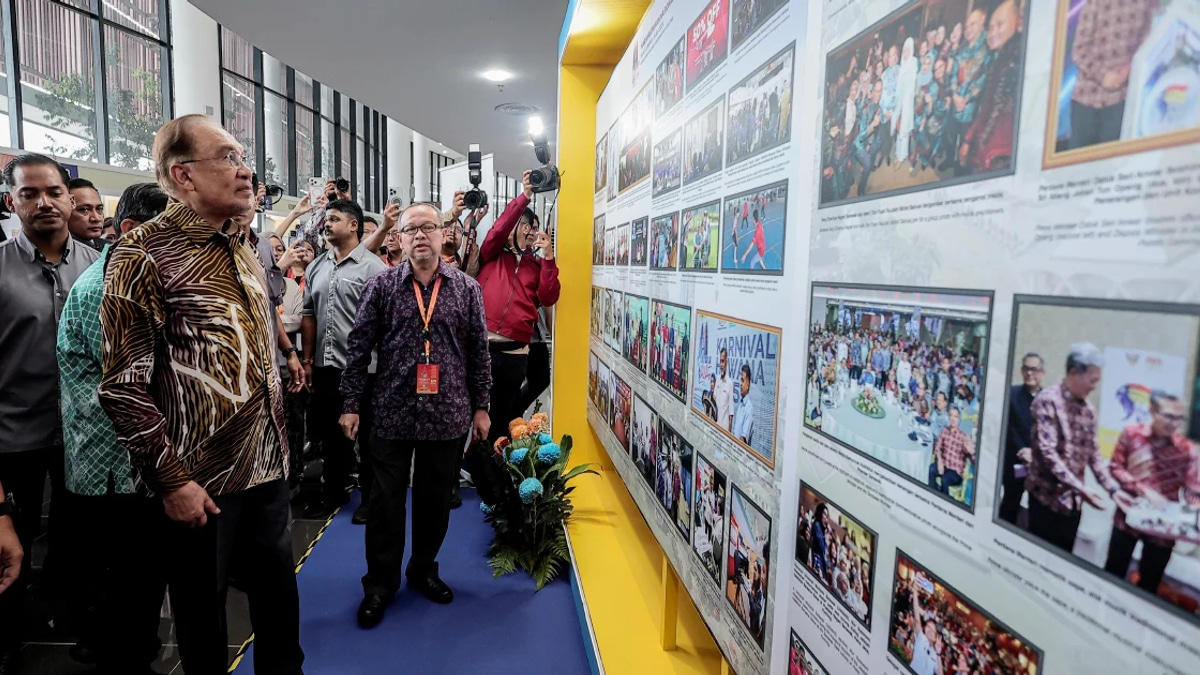
Malaysia's National Journalists' Day (HAWANA) 2026 summit is poised to begin tomorrow at PICCA@Arena Butterworth Convention Centre, with organisers reporting that preparations have reached 80 per cent completion following three days of intensive setup and rehearsal sessions at the Penang venue. The gathering marks a significant milestone in the country's media calendar, with Prime Minister Datuk Seri Anwar Ibrahim scheduled to officially launch the event at 3 pm and address the assembled media professionals.
The organisational effort reflects ambitions to deliver a polished summit that will serve as a strategic platform for Malaysia's journalism community. Datin Paduka Nur-ul Afida Kamaludin, chief executive officer of Bernama and chairman of the HAWANA 2026 Working Committee, confirmed that multiple run-throughs have been conducted to iron out potential operational issues and ensure seamless proceedings throughout the two-day event. The meticulous preparation underscores the significance organisers attach to this gathering, which comes at a time when questions about media independence and credibility remain pressing issues in Southeast Asia.
The decision to host HAWANA 2026 in Penang rather than Kuala Lumpur, where previous editions have been held, carries both logistical and strategic implications. Nur-ul Afida acknowledged that relocating to the northern state presented considerable challenges in coordinating accommodation and transport for attendees, necessitating detailed advance planning and coordination with local hospitality providers. The relocation also reflects broader efforts to decentralise major national events beyond the federal capital, allowing regional centres to benefit from hosting prestigious gatherings whilst spreading exposure of important national initiatives.
However, shifting the venue outside Kuala Lumpur may impact participation levels, particularly among media practitioners juggling multiple commitments or based in the capital. Nur-ul Afida noted candidly that while Kuala Lumpur's central location and established infrastructure typically make attendance easier for larger numbers, the Penang setting may present obstacles for those with fixed workplace responsibilities or other competing obligations. This geographical reality raises questions about equity in access to such high-profile professional events and whether future iterations might need to consider hybrid or rotating formats to maximise participation from practitioners across different regions.
The summit will bring together approximately 1,000 media professionals from Malaysia and neighbouring countries, creating a significant gathering that promises to generate substantive dialogue on journalism's contemporary challenges and opportunities. This international dimension is particularly notable given regional dynamics where media landscapes vary considerably from one country to another, and cross-border exchanges of ideas and experiences can illuminate shared professional concerns. The scale of attendance underscores HAWANA's stature as the country's premier platform for media recognition and professional development.
Themed 'Media Integrity Strengthens Credibility', the summit's central message speaks directly to persistent anxieties about trust in news media across Asia-Pacific. The choice of focus suggests organisers recognise that journalism's legitimacy increasingly depends on demonstrable commitment to ethical standards, factual accuracy and transparency about sourcing and editorial processes. For Malaysian practitioners, the theme invites reflection on how local newsrooms can strengthen public confidence in their reporting amid an environment where misinformation spreads rapidly and audience scepticism about institutional media remains elevated.
Beyond the main summit sessions, organisers have coordinated an array of complementary programming in partnership with significant industry bodies. The Malaysian Media Council, Federation of Malaysian Media Clubs (GKMM) and Malaysian Press Institute (MPI) are all contributing side events and discussions, effectively creating a broader ecosystem of professional dialogue and networking. This collaborative structure demonstrates how major industry associations can work together to provide comprehensive professional development opportunities and foster community within Malaysia's media sector.
The event's formal oversight reflects its status as a nationally important initiative. Organised by the Ministry of Communications with Bernama serving as implementing agency, HAWANA functions as an official recognition platform celebrating the contributions, professional standards and dedication of journalists across the country. This government backing, combined with industry leadership and professional body involvement, positions the summit as a multifaceted exercise in both honouring journalism and addressing its future trajectory amid technological change, economic pressures and evolving audience expectations.
For Malaysian media practitioners, the summit arrives at a moment when the profession faces multiple pressures simultaneously. Digital disruption continues reshaping business models, artificial intelligence presents both opportunities and challenges for newsroom workflows, and public discourse increasingly occurs across platforms that traditional news organisations do not control. Against this backdrop, HAWANA 2026 offers opportunities for experienced journalists to mentor emerging talent, for publishers to share strategies for sustainable journalism, and for the profession collectively to affirm shared values that transcend commercial or political pressures.
The international participation component also merits attention, as it positions Malaysian journalism within broader Southeast Asian conversations about media freedom, professional standards and the public interest. Regional peer learning can help local practitioners understand how counterparts in Thailand, Indonesia, the Philippines and Singapore navigate similar challenges, whether those involve economic sustainability, government pressure or audience engagement. The regional dimension transforms HAWANA from a purely domestic exercise into a meaningful contribution to media dialogue across one of the world's most dynamic and complicated information environments.

%22%2F%3E%3C%2Fpattern%3E%3C%2Fdefs%3E%3Crect%20width%3D%22100%25%22%20height%3D%22100%25%22%20fill%3D%22url(%23ph2hy9vg)%22%2F%3E%3Crect%20width%3D%22100%25%22%20height%3D%22100%25%22%20fill%3D%22url(%23ph2hy9vp)%22%2F%3E%3Ctext%20x%3D%2250%25%22%20y%3D%2250%25%22%20text-anchor%3D%22middle%22%20dominant-baseline%3D%22central%22%20fill%3D%22rgba(255%2C255%2C255%2C0.95)%22%20font-family%3D%22Georgia%2C%20'Times%20New%20Roman'%2C%20serif%22%20font-weight%3D%22700%22%20font-size%3D%22272%22%20letter-spacing%3D%22-0.02em%22%3EAnwar%3C%2Ftext%3E%3C%2Fsvg%3E)