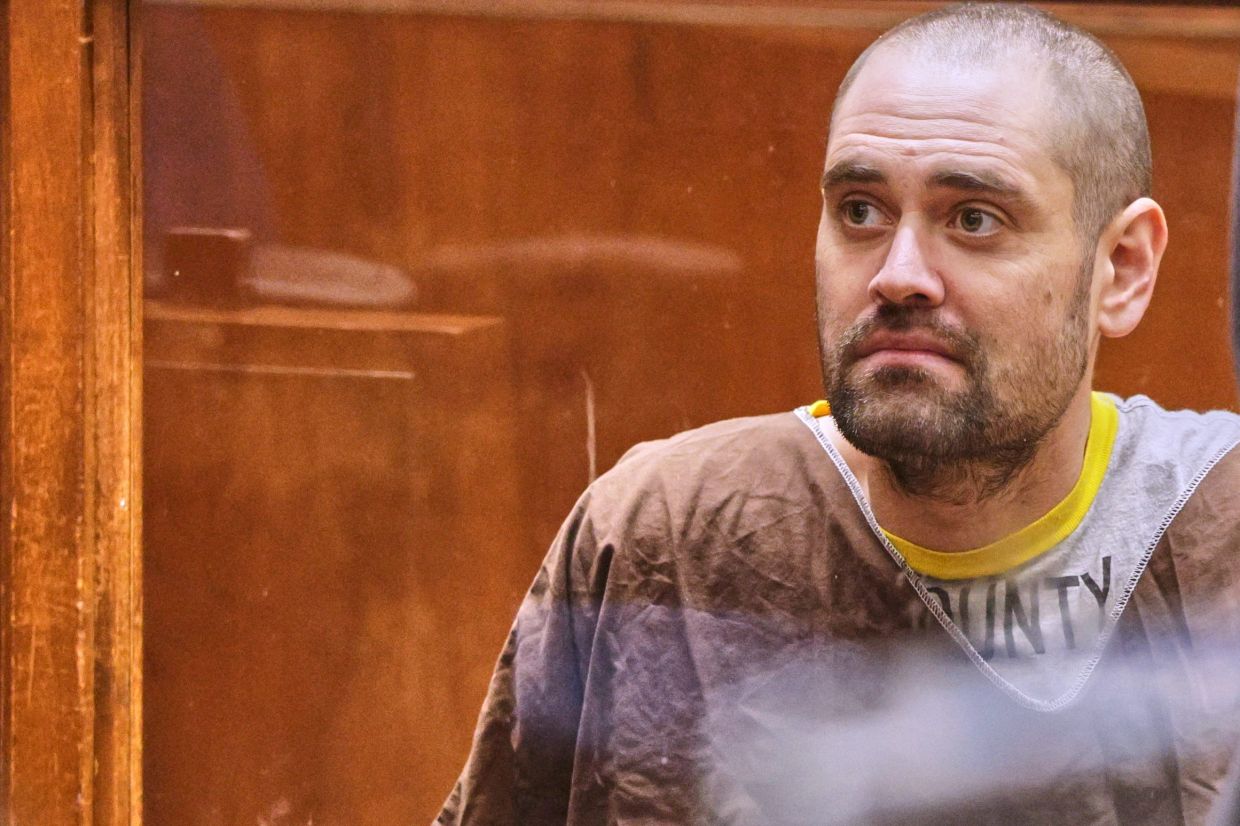
The 32-year-old son of acclaimed film director Rob Reiner has filed a civil petition in Los Angeles County court seeking access to money held in a trust established by his parents, arguing that he requires these funds to mount a proper legal defence against charges that he killed them. The petition, filed on Monday through Nick Reiner's civil attorneys, contends that trustees managing the assets have unlawfully withheld money to which he is legally entitled.
Rob Reiner, an iconic figure in Hollywood whose directorial career spans four decades, and his wife Michele Singer Reiner, a photographer and producer, were fatally stabbed in their Brentwood home on December 14. Nick Reiner was arrested within hours of the incident and has since entered a plea of not guilty to two counts of murder. The case has drawn significant public attention given the family's prominence in the entertainment industry, though authorities and the courts have maintained unusual silence regarding investigative details and possible motives.
Nick Reiner's legal team argues in the petition that presumption of innocence entitles him to defend himself using resources that lawfully belong to him. The filing states: "Nick loved his parents, and he is devastated by their deaths. But the facts about what did and did not happen to them are not at issue in this Trust litigation. Like anyone accused of a crime, Nick is presumed innocent, and he is entitled to mount his defence with the resources that are lawfully his own." This framing attempts to separate the trust dispute from the underlying criminal allegations.
The financial complications surrounding his legal representation underscore the urgency of Nick Reiner's petition. He initially retained high-profile defence attorney Alan Jackson, but the lawyer withdrew from the case less than a month into his representation, citing reasons he declined to disclose publicly. The trust petition reveals a critical detail: Nick Reiner's siblings, Jake and Romy Reiner, had initially agreed to fund Jackson's services but subsequently reversed their decision. In a declaration accompanying the petition, Jackson stated that his firm remains "ready, willing, and able to resume representation of Mr. Reiner" should the trust funds become available.
According to the petition, Rob and Michele Reiner established separate individual trusts for each of their three children distinct from the larger family trust. Nick Reiner's trust, created in 1993, contained explicit instructions that he would receive half its assets upon turning 30 years old and the remainder at age 35. The petition asserts that Nick never received the funds due at age 30, and that Paul R. Kanin, the attorney who assumed control of the trust in February, has offered what the filing characterises as "a shifting series of excuses and justifications" to prevent the payout. These justifications have included concerns about Nick Reiner's competence, which the petition argues bear no relevance to a mandatory distribution.
The trust assets are substantial. The petition indicates the trust contains at least $1.5 million in assets, though Kanin has refused to disclose the precise total value. This financial scale underscores why access to these funds represents a critical matter for Nick Reiner's legal strategy. Beyond funding his defence against murder charges that carry potential capital punishment, Nick Reiner argues he requires immediate access to address basic necessities during his incarceration and to cover the obligations that typically accompany criminal proceedings of this magnitude.
The District Attorney's office, led by Nathan Hochman, has not yet determined whether to pursue the death penalty, adding another layer of urgency to the defence preparations. While Nick Reiner is eligible for capital punishment, no such decision has been made at this stage. The slow pace of proceedings reflects the complexity of the case; he is scheduled for a pretrial hearing in September, months away from any trial proceedings. The court has imposed strict secrecy provisions on autopsy details and other investigative materials, creating an unusual information vacuum around one of Los Angeles's most high-profile recent homicides.
Jake Reiner, Nick's brother, offered a public statement in April describing the family's ordeal as "a living nightmare" that is "too devastating to comprehend," giving voice to the profound trauma that extends beyond the criminal proceedings themselves. His willingness to speak publicly contrasts with the general silence maintained by prosecutors and law enforcement regarding case specifics. This family dimension adds human complexity to what remains fundamentally a legal dispute over trust administration and resource allocation.
On the day he departed the case, attorney Jackson made a conspicuous public statement outside the courthouse, asserting with emphasis that "pursuant to the laws of California, Nick Reiner is not guilty of murder." His declaration, unusual for its clarity and public nature, suggests potential tensions within the defence strategy or financial pressures affecting legal representation. The trust petition effectively places these resource constraints into the judicial system's hands, asking the court to intervene and compel trustees to release funds that Nick Reiner argues are categorically his own property.
The outcome of this petition will significantly impact Nick Reiner's ability to mount a comprehensive defence. Access to trust funds would enable him to retain experienced counsel, conduct independent investigations, and pursue the expert testimony and resources typically necessary in capital murder cases. Conversely, continued denial of these assets could severely handicap his legal options and create a troubling precedent regarding the intersection of criminal proceedings and fiduciary obligations. For Malaysian observers following international legal developments, this case illustrates how asset control mechanisms can intersect with criminal justice, and how trust disputes can become entangled with serious criminal allegations.


%22%2F%3E%3C%2Fpattern%3E%3C%2Fdefs%3E%3Crect%20width%3D%22100%25%22%20height%3D%22100%25%22%20fill%3D%22url(%23ph2hy9vg)%22%2F%3E%3Crect%20width%3D%22100%25%22%20height%3D%22100%25%22%20fill%3D%22url(%23ph2hy9vp)%22%2F%3E%3Ctext%20x%3D%2250%25%22%20y%3D%2250%25%22%20text-anchor%3D%22middle%22%20dominant-baseline%3D%22central%22%20fill%3D%22rgba(255%2C255%2C255%2C0.95)%22%20font-family%3D%22Georgia%2C%20'Times%20New%20Roman'%2C%20serif%22%20font-weight%3D%22700%22%20font-size%3D%22272%22%20letter-spacing%3D%22-0.02em%22%3EAnwar%3C%2Ftext%3E%3C%2Fsvg%3E)