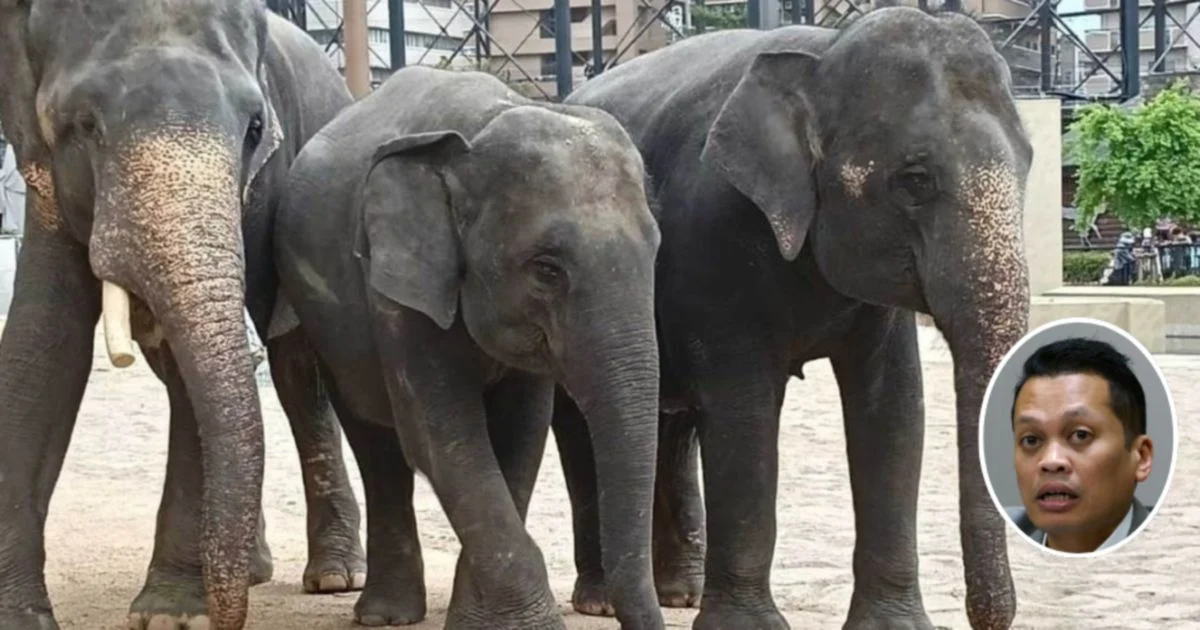
Former Natural Resources and Environmental Sustainability minister Nik Nazmi Nik Ahmad has flatly rejected allegations suggesting his involvement in supposedly corrupt transactions related to the movement of three elephants from Malaysia to a Japanese zoological facility. The minister's statement comes as authorities investigate claims that substantial sums, reportedly amounting to RM53 million, were irregularly transferred in connection with the transaction.
The elephant transfer saga represents one of several controversies that have emerged in recent months concerning the stewardship of Malaysia's wildlife resources and the mechanisms governing international animal exchanges. Zoo facilities worldwide frequently engage in breeding programmes and animal transfers to maintain genetic diversity and support conservation efforts, yet such arrangements typically operate within established regulatory frameworks designed to ensure transparency and appropriate conduct by all parties involved.
Nik Nazmi's tenure as environment minister placed him at the intersection of Malaysia's commitments to wildlife conservation and the practical administration of zoological institutions and sanctuaries. During his period in the portfolio, Malaysia maintained several significant partnerships with international conservation organisations and foreign zoos, arrangements intended to advance research and species preservation objectives. The alleged financial improprieties now under investigation raise fundamental questions about oversight mechanisms within the ministry and the adequacy of controls governing international animal transactions.
The RM53 million figure attached to these allegations appears disproportionate to typical costs associated with elephant relocation, which typically encompass transportation logistics, veterinary care, quarantine procedures, and administrative expenses. The magnitude suggests that investigators are examining whether additional undisclosed transactions or payments to third parties occurred alongside the transfer arrangement. Such scrutiny reflects broader concerns about fiscal accountability in government contracts and international dealings that have grown increasingly prominent in Malaysian public discourse.
Elephant conservation represents a sensitive topic across Southeast Asia, where populations have faced severe pressure from habitat loss and poaching. Malaysia maintains populations of Asian elephants in both protected areas and captive settings, and the country remains signatory to international wildlife protection conventions. Any arrangement involving the relocation of these animals internationally must navigate complex regulatory requirements spanning both Malaysian law and Japanese import protocols, creating multiple potential points where procedural compliance or financial accountability might be questioned.
The three elephants cited in the allegations would have required comprehensive health documentation, genetic assessment, and compatibility evaluations before any responsible institution would have accepted them. Such preparations typically involve significant professional fees from veterinary specialists and wildlife experts. Yet investigators appear to be focusing on whether legitimate costs were substantially inflated or whether payments were channelled to unauthorised recipients rather than genuine service providers or government coffers.
Nik Nazmi's denial comes at a time when public confidence in government financial management has become a central electoral and political concern. The timing of investigations into historical transactions from his ministerial period could carry political implications for his career trajectory and his party's broader credibility on governance issues. Environmental and wildlife portfolios have become increasingly prominent in Malaysian politics as younger voters and civil society organisations prioritise conservation and sustainability concerns.
The investigation's scope remains unclear, though authorities typically examine documentation trails for any foreign payments, the identities of intermediaries involved in arranging the transfer, and whether competitive tendering processes were followed. If the transaction involved ministerial-level approval, investigators may seek to determine whether proper cabinet procedures were observed and whether relevant parliamentary oversight occurred. Such procedural questions frequently prove as significant as allegations concerning direct financial misconduct.
International animal transfers require coordination between multiple agencies in both countries, including customs authorities, agricultural ministries, and zoological regulatory bodies. This complex jurisdictional landscape can obscure accountability and potentially create opportunities for improper arrangements to go undetected. Malaysia's experience with other high-value government contracts suggests that inadequate coordination between government departments can enable irregular practices, particularly when substantial sums cross international borders where tracking mechanisms prove less transparent.
The matter extends beyond individual accountability to broader systemic questions about how Malaysia manages high-value transactions involving natural resources and wildlife assets. Conservation institutions increasingly face pressure to demonstrate both scientific merit and financial probity in their operations, particularly when government resources are involved. The elephant transfer allegations may thus catalyse broader reforms in how Malaysian wildlife agencies conduct international partnerships and account for associated expenditures.
For Southeast Asian readers, the controversy illustrates ongoing tensions between conservation imperatives and governance challenges in the region. Zoo partnerships and animal transfers can advance legitimate scientific objectives, yet remain vulnerable to financial irregularities without robust oversight. Malaysia's handling of this investigation may set precedents affecting how similar international wildlife arrangements are structured and monitored across the region in coming years.

%22%2F%3E%3C%2Fpattern%3E%3C%2Fdefs%3E%3Crect%20width%3D%22100%25%22%20height%3D%22100%25%22%20fill%3D%22url(%23ph2hy9vg)%22%2F%3E%3Crect%20width%3D%22100%25%22%20height%3D%22100%25%22%20fill%3D%22url(%23ph2hy9vp)%22%2F%3E%3Ctext%20x%3D%2250%25%22%20y%3D%2250%25%22%20text-anchor%3D%22middle%22%20dominant-baseline%3D%22central%22%20fill%3D%22rgba(255%2C255%2C255%2C0.95)%22%20font-family%3D%22Georgia%2C%20'Times%20New%20Roman'%2C%20serif%22%20font-weight%3D%22700%22%20font-size%3D%22272%22%20letter-spacing%3D%22-0.02em%22%3EAnwar%3C%2Ftext%3E%3C%2Fsvg%3E)