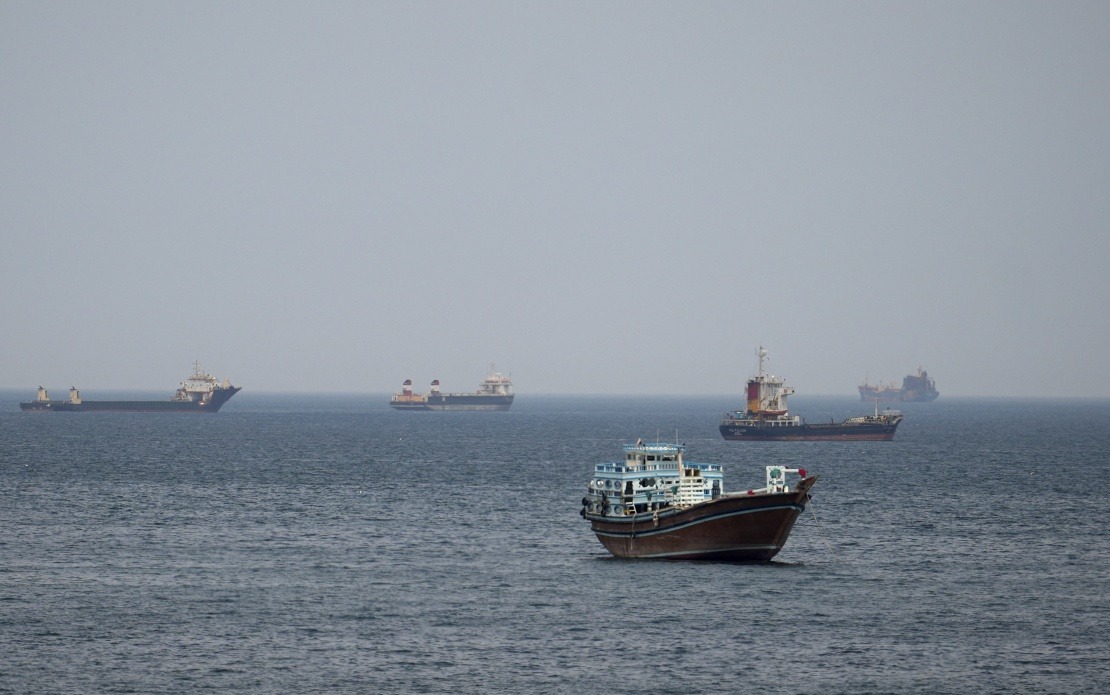
Oil tankers have resumed their passage through the Strait of Hormuz following the implementation of an interim agreement between the United States and Iran on Thursday, marking a significant shift in Middle Eastern geopolitics that carries substantial implications for global energy markets and Southeast Asian energy importers. The accord, which represents a dramatic reversal in the conflict that began four months ago, has already prompted a reassessment of crude oil valuations, with prices declining to their lowest point since hostilities commenced in late February.
The strategic importance of this development extends far beyond immediate US-Iran relations. The Strait of Hormuz, through which approximately one-fifth of the world's oil supply transits daily, had emerged as a critical chokepoint during the escalating tensions. For Malaysia and other Southeast Asian nations that depend substantially on stable energy supplies and affordable petroleum products, the restoration of normal traffic flows represents welcome relief from inflationary pressures that had begun to accumulate. Energy analysts now anticipate that crude exports through the strait could return to pre-conflict levels within coming months, though this timeline remains contingent on the durability of the ceasefire arrangement.
The peace framework incorporates several structural mechanisms designed to facilitate negotiation and rebuild trust between adversaries. Negotiators have been granted a sixty-day window to reach comprehensive agreement on Iran's nuclear programme—the stated rationale for the American military intervention. Beyond this immediate timeline, the accord establishes a three-hundred-billion-dollar reconstruction fund intended to support Iranian economic recovery and provides additional financial incentives to encourage compliance. These provisions suggest that both parties recognize the mutual benefits of sustained engagement over prolonged confrontation.
Yet the agreement's foundation remains precarious, given the substantial disparity between President Donald Trump's initial objectives and what the accord actually achieves. When launching the offensive nearly four months prior, Trump explicitly declared intentions to dismantle Iran's nuclear weapons capability, eliminate its capacity to threaten neighbouring states, curtail its support for regional militant organisations, and enable internal regime change among Iran's leadership. The current settlement addresses none of these declared aims, representing instead a de-escalation achieved without realising the strategic victories the administration had initially demanded.
Iranian Supreme Leader Ayatollah Moitaba Khamenei has characterised Trump's willingness to negotiate as stemming from desperation, signalling that forthcoming discussions surrounding nuclear matters will prove contentious. His assertion that "if the American side wants to be too demanding, we will not accept it" underscores Tehran's perception of strengthened negotiating position following its survival of sustained American military pressure. This declaration suggests that the sixty-day negotiation period may become contentious, with fundamental disagreements emerging regarding acceptable limitations on Iran's nuclear activities and ballistic missile programmes.
US Vice President JD Vance, designated to lead the American negotiating delegation, has already outlined expanded objectives beyond the nuclear question, indicating Washington intends to secure commitments restricting Tehran's long-range missile capabilities. Such demands face predictable Iranian resistance, particularly given Tehran's assessment that it has successfully weathered American pressure while maintaining influence over critical maritime chokepoints and extracting valuable waivers from international financial sanctions regimes. Iran has declared its intention to continue exercising control over Hormuz during the negotiation period, announcing that it will issue permits and direct traffic flows, though without imposing fees during this interim phase.
The most immediate threat to agreement durability emanates from Lebanon, where Israel continues prosecuting military operations against Hezbollah despite the ceasefire accord's explicit call for permanent conflict termination and restoration of Lebanese territorial integrity and sovereignty. Israeli forces launched fresh airstrikes early Thursday, directly contradicting Trump's public commitment to achieving comprehensive peace across all regional fronts. More than one million Lebanese civilians have been displaced by the ongoing fighting, representing a humanitarian catastrophe that undercuts the agreement's legitimacy. Israel, notably absent from the negotiation process, has publicly stated its refusal to withdraw from Lebanese territory and has released maps depicting significantly expanded occupation zones, indicating little willingness to comply with the accord's provisions.
This defiance has precipitated an unprecedented diplomatic rift between Washington and Tel Aviv. Trump has become unusually forthright in criticising Israeli military operations, openly questioning the strategic wisdom of attacking "the only powerful ally that I have anywhere left in the entire world." Such candid criticism suggests frustration with American allies who fail to demonstrate sufficient deference to Trump's newly established regional framework. The tension reveals fundamental questions about American commitment to enforcing the agreement against resistant allies, potentially undermining the accord's credibility among other regional actors.
Congress has emerged as another source of doubt regarding the settlement's viability. Republican allies of Trump have questioned whether the president has conceded excessively in pursuit of ending the conflict, which remains deeply unpopular among American voters. This domestic political resistance could constrain the administration's flexibility during negotiations and complicate efforts to provide Iran with promised financial incentives or sanctions relief. The intersection of domestic opposition, resistant regional allies, and Tehran's assertive negotiating stance creates conditions for agreement breakdown within the projected sixty-day timeline.
For Malaysian policymakers and regional energy planners, the current arrangement offers temporary relief from oil price volatility and supply disruptions, though the underlying instability demands continued vigilance. The suspension of American blockades on Iranian oil exports should contribute meaningfully to global supply normalisation, benefiting import-dependent economies throughout Southeast Asia. However, the agreement's fragility—evidenced by continued Israeli operations, American domestic scepticism, and Iranian maximalist positioning—suggests that energy markets should prepare for renewed volatility should negotiations collapse. The Strait of Hormuz remains a critical vulnerability for regional economies, and this temporary reprieve may prove fleeting without successful resolution of underlying strategic disputes and regional conflicts.


%22%2F%3E%3C%2Fpattern%3E%3C%2Fdefs%3E%3Crect%20width%3D%22100%25%22%20height%3D%22100%25%22%20fill%3D%22url(%23ph2hy9vg)%22%2F%3E%3Crect%20width%3D%22100%25%22%20height%3D%22100%25%22%20fill%3D%22url(%23ph2hy9vp)%22%2F%3E%3Ctext%20x%3D%2250%25%22%20y%3D%2250%25%22%20text-anchor%3D%22middle%22%20dominant-baseline%3D%22central%22%20fill%3D%22rgba(255%2C255%2C255%2C0.95)%22%20font-family%3D%22Georgia%2C%20'Times%20New%20Roman'%2C%20serif%22%20font-weight%3D%22700%22%20font-size%3D%22272%22%20letter-spacing%3D%22-0.02em%22%3EAnwar%3C%2Ftext%3E%3C%2Fsvg%3E)