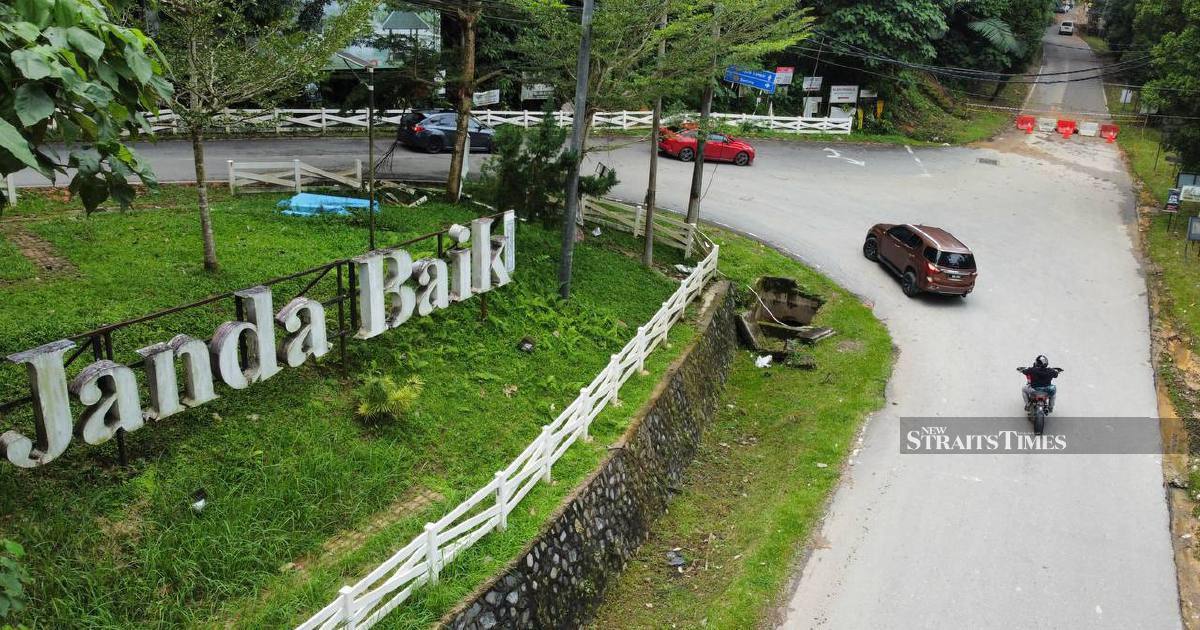
The Pahang Health Department has opened a formal inquiry into complaints from multiple visitors who reported becoming ill after swimming in the Janda Baik river area near Bentong, raising fresh concerns about water safety at one of the state's most frequented tourist destinations. The investigation, initiated following public health notifications, will examine whether contamination or other environmental factors contributed to the reported illnesses, potentially affecting both residents and the growing number of domestic tourists who visit the riverside community during weekends and holidays.
Janda Baik has earned a reputation as a popular weekend escape for families and visitors from Kuala Lumpur and the Klang Valley, drawn by its river attractions, natural scenery, and recreational facilities. The riverside village, situated in the foothills near Bentong, hosts numerous food stalls, accommodation options, and commercial water-based activities. The latest health alert underscores the dual challenge authorities face in balancing tourism development with environmental and public health monitoring.
The allegations of food poisoning—rather than waterborne illness specifically—suggest visitors may have consumed contaminated food from commercial vendors operating in the area, though investigators will also assess whether river conditions contributed to illnesses. This distinction matters for intervention strategies: food safety typically falls within the purview of local council inspections and vendor licensing, while water quality falls to environmental health agencies. Both angles warrant scrutiny given the site's heavy foot traffic.
For Malaysian public health officials, such investigations are increasingly routine as domestic tourism surges and more visitors gravitate toward natural attractions. The Pahang Health Department's response reflects standard protocol for clusters of illness linked to recreational venues—gathering information from affected individuals, reviewing vendor sanitation practices, testing water samples if necessary, and issuing advisories if warranted. The department's transparency in acknowledging the inquiry itself signals a proactive stance rather than suppression.
Janda Baik's popularity stems partly from its proximity to Kuala Lumpur—roughly an hour's drive—making it an accessible destination for day trips and short stays. The village economy depends significantly on visitor spending at restaurants, cafes, and guest houses. Any health scare could temporarily deter tourism, adding economic pressure to resolve the issue swiftly. Previous health alerts at Malaysian tourist sites have demonstrated how rapidly information spreads through social media, potentially amplifying public concern beyond the actual scale of risk.
Water quality in recreational rivers across Peninsular Malaysia has long been a concern for health authorities. Factors including upstream industrial discharge, agricultural runoff, inadequate sewage treatment in rural areas, and heavy visitor usage can all degrade water conditions. During monsoon seasons or after heavy rainfall, flash flooding can wash pollutants into waterways. While many Malaysian rivers remain safe for recreational use, periodic testing and monitoring systems remain essential, particularly at designated tourism sites.
The involvement of the Pahang Health Department suggests the state government is taking the matter seriously enough to allocate resources to investigation and prevention. The department will likely coordinate with the Bentong municipal council, which oversees local sanitation and vendor permits. Depending on findings, authorities may issue citations to non-compliant food operators, conduct mandatory hygiene training, or recommend temporary closures pending corrective action. Such interventions, though occasionally unpopular with business owners, are standard public health procedure.
Tourists planning visits to Janda Baik and similar natural attractions should remain cautious but not panic. Basic precautions—avoiding river water entry if visibly polluted, consuming food only from vendors with proper licensing, carrying personal sanitisers, and seeking medical attention if illness develops—reduce risk substantially. Travellers who do become unwell should inform medical staff of their recent activities, enabling clinicians to consider the likely cause and appropriate treatment.
The broader lesson for Southeast Asian tourism destinations is that rapid growth in visitor numbers requires proportional investment in environmental monitoring and food safety infrastructure. Many riverside and natural area attractions across the region face similar pressures. Malaysia's health system is comparatively well-resourced, yet gaps remain in rural and semi-rural zones where tourism infrastructure may outpace sanitation capabilities. Janda Baik's situation exemplifies this tension.
Ongoing communication from the Pahang Health Department will be crucial as the investigation progresses. Publishing preliminary findings, even if inconclusive, helps maintain public trust and demonstrates commitment to transparency. If contamination is confirmed at specific vendors or locations, public advisories allow affected individuals to seek medical review and enable authorities to implement targeted corrective measures.
For Malaysian visitors and regional tourists, the incident serves as a reminder that while natural attractions offer genuine recreation and wellness benefits, due diligence regarding food and water safety remains prudent. The state's willingness to investigate suggests the system is functioning as intended—identifying problems and moving toward solutions rather than ignoring concerns. As Pahang's tourism sector continues expanding, maintaining such accountability will be essential to sustaining visitor confidence and protecting public health.


%22%2F%3E%3C%2Fpattern%3E%3C%2Fdefs%3E%3Crect%20width%3D%22100%25%22%20height%3D%22100%25%22%20fill%3D%22url(%23ph2hy9vg)%22%2F%3E%3Crect%20width%3D%22100%25%22%20height%3D%22100%25%22%20fill%3D%22url(%23ph2hy9vp)%22%2F%3E%3Ctext%20x%3D%2250%25%22%20y%3D%2250%25%22%20text-anchor%3D%22middle%22%20dominant-baseline%3D%22central%22%20fill%3D%22rgba(255%2C255%2C255%2C0.95)%22%20font-family%3D%22Georgia%2C%20'Times%20New%20Roman'%2C%20serif%22%20font-weight%3D%22700%22%20font-size%3D%22272%22%20letter-spacing%3D%22-0.02em%22%3EAnwar%3C%2Ftext%3E%3C%2Fsvg%3E)