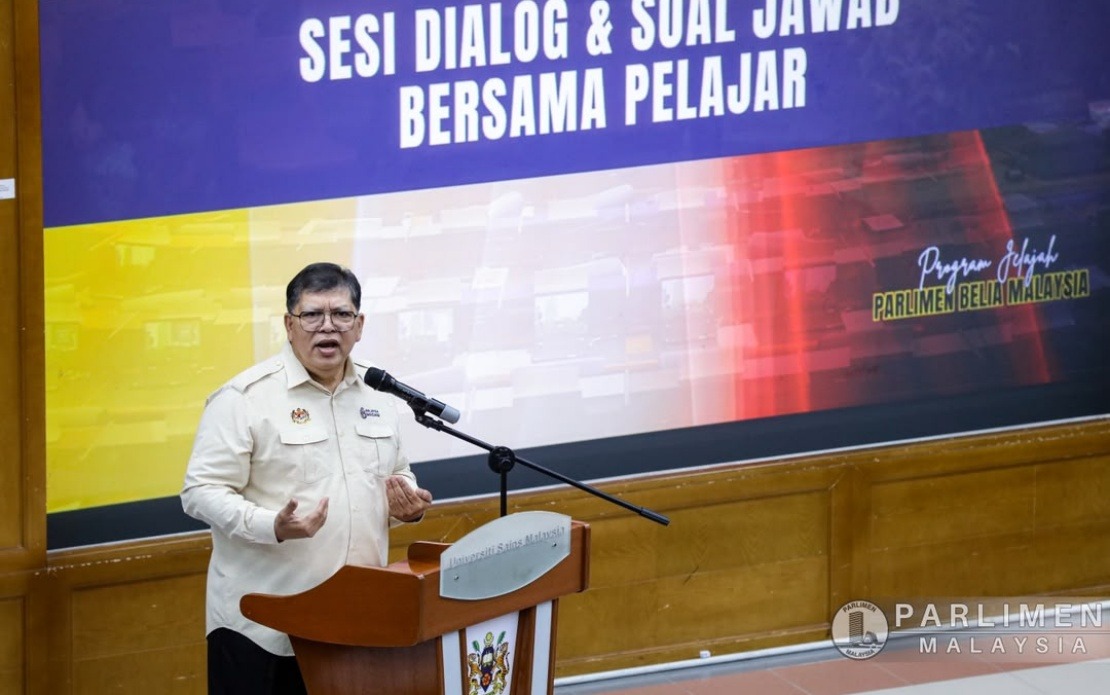
Parliament must function as a beacon of democratic values and institutional integrity, particularly as the nation prepares to launch its next Malaysian Youth Parliament cohort on September 11. This call comes from Dewan Rakyat Speaker Tan Sri Johari Abdul, who emphasises that the legislative chamber serves not merely as a debating forum for elected representatives but as the nation's premier school of democratic practice for coming generations. The stakes, he suggests, have never been higher as Malaysia seeks to cultivate a new generation of leaders grounded in parliamentary tradition and civic responsibility.
Johari's message carries particular weight given the expanded role Parliament Malaysia will play in overseeing the youth initiative. The institution must consciously recognise that every parliamentary session, every utterance from the floor, and every procedural decision is now viewed through the lens of civic education. Young observers will draw lasting impressions about how Malaysia's democracy functions in practice. The spotlight intensifies further because these sittings are broadcast live and disseminated across social media platforms, reaching audiences far beyond the parliamentary chamber itself. Parliament is no longer a closed institution but a transparent one, making exemplary conduct non-negotiable.
The Speaker articulated three essential pillars that must underpin parliamentary proceedings: dignity in conduct, orderly processes, and integrity-driven engagement. These qualities transcend mere parliamentary etiquette; they constitute foundational lessons in how democratic institutions should operate. Johari specifically advocated for debates characterised by factual substance, courteous tone, and solution-oriented focus rather than partisan theatrics. For young parliamentarians observing from the gallery or through digital platforms, witnessing mature deliberation on policy matters would communicate more powerfully than any civics textbook that democracy depends upon intellectual rigour and mutual respect among disagreeing parties.
The Malaysian Youth Parliament represents an ambitious democratic experiment. Structured to mirror the actual Dewan Rakyat with 222 seats corresponding to parliamentary constituencies nationwide, the initiative encompasses youth organisations registered with Parliament Malaysia. To date, more than ten parties have been formed within this framework, though these remain explicitly non-partisan and divorced from Malaysia's actual political party system. This separation proves crucial—it allows young people to experience parliamentary governance without the corrosive effects of electoral ambition and partisan tribal loyalty that often dominate adult politics. The model offers a remarkable pedagogical opportunity if executed thoughtfully.
Parliament Malaysia is conducting an ambitious nationwide recruitment drive targeting 300,000 young Malaysians aged 18 to 30 to register for participation. This outreach effort reflects recognition that democratic engagement cannot occur without conscious cultivation. The sheer scale of the target demonstrates institutional commitment to ensuring the programme achieves genuine representative breadth rather than attracting only the politically motivated few. A diverse cohort of young Malaysians from varied backgrounds and communities would experience parliament as a genuinely national institution rather than a refuge for the politically precocious.
The electoral timeline for the Youth Parliament is meticulously structured. Nomination day falls on July 8, with official candidates announced on July 11. A 27-day campaign period extends from July 12 through August 7, allowing candidates to present their visions and engage young voters in substantive discussion. The voting process itself adopts contemporary technology through the e-PBMy online system, with voting open for 24 hours from 10 am on August 8 until 10 am on August 9. This digital approach reflects recognition that young voters expect institutions to meet them on platforms they already use. The September 11 opening ceremony will formally establish the new parliamentary term.
Youth Parliament sittings are scheduled for three annual sessions, each lasting two days, with members serving two-year terms. This calendar provides sufficient frequency to maintain engagement and momentum whilst avoiding an overwhelming burden on young participants who likely juggle studies, employment, or other commitments. The two-year tenure allows sufficient time for members to develop expertise and institutional knowledge without imposing excessive time demands. Compared to adult parliamentary service, this represents a carefully calibrated commitment level designed to create genuine educational value rather than performative participation.
The administrative transition from the Ministry of Youth and Sports to Parliament Malaysia, formalised in October 2023 after eight years under youth ministry auspices, carries significant implications. Parliamentary stewardship ensures the initiative enjoys the institutional gravitas and procedural legitimacy of Malaysia's highest legislative body. Parliament Malaysia possesses the expertise, resources, and institutional continuity to develop the programme systematically. However, this transition also elevates expectations—if Parliament now owns the youth democracy initiative directly, the quality of parliamentary conduct becomes even more consequential.
Johari's emphasis on exemplary parliamentary conduct reflects a sophisticated understanding that institutional reputation and educational outcomes intertwine. Cynicism about parliamentary politics has become endemic across many democracies as voters witness what they perceive as theatre rather than substance. The Malaysian context presents an opportunity to interrupt that trajectory by demonstrating that parliamentary deliberation can accommodate genuine disagreement whilst maintaining civility and focus on public benefit. Young parliamentarians who witness this will internalise that democratic discourse demands both passion and respect, both conviction and intellectual humility.
The programme's success ultimately depends upon parliamentary behaviour exceeding merely satisfactory standards. Average conduct will not inspire; it will disappoint. Members must demonstrate why parliamentary democracy, despite evident imperfections, remains preferable to authoritarian alternatives. They must show young observers that the legislative process, although sometimes messy and frustrating, provides mechanisms for peaceful contestation and consensual decision-making unavailable elsewhere. Every question posed during parliamentary sitting, every challenge issued respectfully, every solution proposed thoughtfully sends a message about what Malaysia's democratic future might become.
For Malaysian readers, the Youth Parliament initiative represents an investment in democratic resilience and institutional legitimacy. A generation emerging from their teen years with direct experience of parliamentary governance will approach politics with greater sophistication than those who only encounter parliament as abstract concept. They will understand institutional constraints and appreciate procedural safeguards. They will recognise that democratic change operates through established channels rather than through extra-institutional pressure. They will, ideally, become adults more committed to strengthening parliamentary democracy rather than undermining it through cynicism or authoritarianism.
The registration portal at https://pbmy.parlimen.gov.my/my/ remains open for qualified Malaysian youth interested in participating. For 300,000 young people to register and engage, Parliament must demonstrate through sustained conduct that participation matters. Johari's call for exemplary parliamentary behaviour is not merely exhortation; it is a prerequisite for the programme's credibility and impact. The next generation of Malaysian leaders are watching, and what they witness in the Dewan Rakyat will shape their understanding of democratic possibility.

%22%2F%3E%3C%2Fpattern%3E%3C%2Fdefs%3E%3Crect%20width%3D%22100%25%22%20height%3D%22100%25%22%20fill%3D%22url(%23ph2hy9vg)%22%2F%3E%3Crect%20width%3D%22100%25%22%20height%3D%22100%25%22%20fill%3D%22url(%23ph2hy9vp)%22%2F%3E%3Ctext%20x%3D%2250%25%22%20y%3D%2250%25%22%20text-anchor%3D%22middle%22%20dominant-baseline%3D%22central%22%20fill%3D%22rgba(255%2C255%2C255%2C0.95)%22%20font-family%3D%22Georgia%2C%20'Times%20New%20Roman'%2C%20serif%22%20font-weight%3D%22700%22%20font-size%3D%22272%22%20letter-spacing%3D%22-0.02em%22%3EAnwar%3C%2Ftext%3E%3C%2Fsvg%3E)