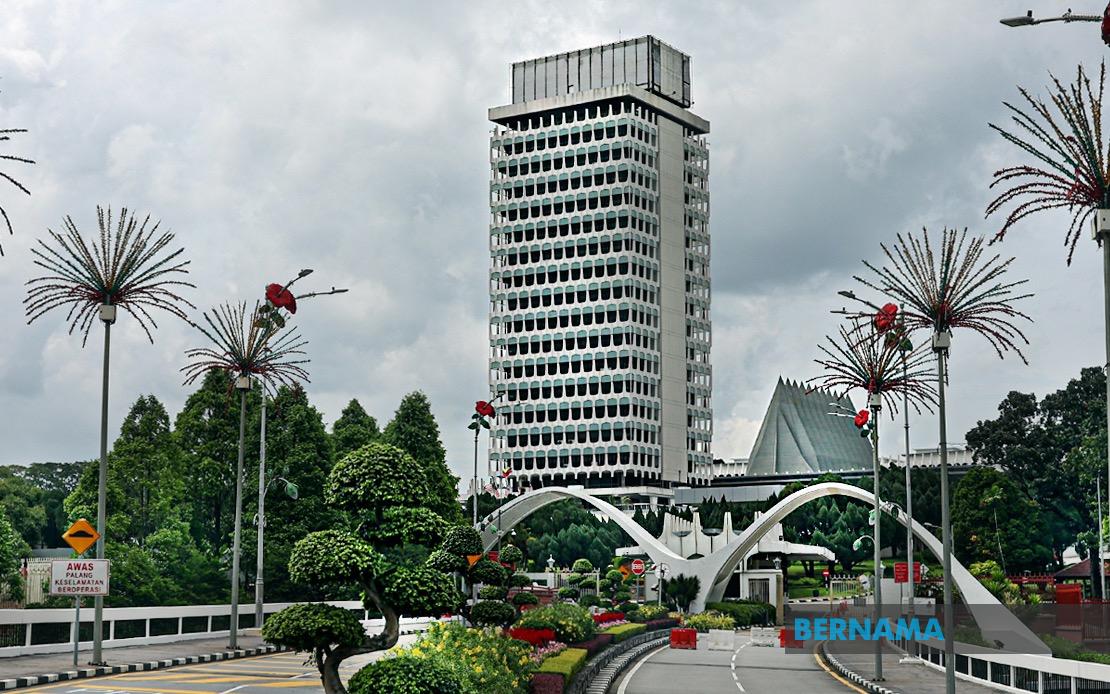
Malaysia's Parliament opens its Second Meeting of the Fifth Session today with several pressing economic and social matters commanding attention, reflecting growing concerns about global supply chain vulnerabilities and domestic policy delivery. At the forefront of discussion is the ripple effect of potential disruptions to shipping through the Strait of Hormuz, one of the world's most critical energy corridors, on local enterprises and the broader national economy. This concern underscores Malaysia's exposure to international maritime geopolitics and the fragility of global trade networks that domestic manufacturers and consumers depend upon.
Datuk Dr Richard Rapu @ Aman anak Begri, representing GPS-Betong, will press the Economy Minister for a comprehensive assessment of how trade interruptions in the Hormuz Strait have translated into real costs for Malaysian industries. The question zeroes in on a particular anxiety: whether operating expenses across sectors have risen, and whether this inflationary pressure has begun showing up in the official inflation figures for the second quarter of 2026. This line of inquiry reflects a legitimate legislative effort to understand whether the government has adequately quantified emerging economic risks before they metastasize into broader price pressures affecting households and competitiveness.
Parallel to this, Dr Rapu will also question the resilience of Malaysia's growth trajectory. He seeks clarity on contingency measures embedded within the 13th Malaysia Plan that would preserve the Gross Domestic Product expansion target even if the global economy slides into prolonged recession. This probing question reveals parliament's recognition that Malaysia's economic fortunes remain tethered to external conditions, and that policymakers must have credible backup plans to insulate growth from international downturns. The question implicitly challenges the government to demonstrate foresight and preparedness rather than reactive crisis management.
On a different but equally consequential front, Onn Abu Bakar from PH-Batu Pahat will direct attention to the haj pilgrimage system, which remains a significant undertaking for Malaysia's Muslim population. His query to the Prime Minister seeks concrete details on structural reforms planned for 2027, with particular emphasis on three dimensions: bringing down the financial burden on pilgrims, reducing waiting periods that can stretch across years, and fortifying protections for pilgrims' physical health and welfare during the demanding journey. These concerns reflect persistent complaints from the Malaysian Muslim community about access barriers and the quality of state-managed haj arrangements, matters that touch on both equity and national pride.
The haj question also hints at an underlying governance challenge. Managing a mass pilgrimage programme that involves tens of thousands of citizens annually across different age groups, health statuses, and economic circumstances demands sophisticated logistics, transparent cost management, and robust health protocols. Any failure in these areas generates social friction and erodes public confidence in institutional competence. By raising this matter in parliament, Onn Abu Bakar signals that reform is no longer optional but expected by constituents.
Wong Shu Qi, the PH-Kluang representative, will direct parliamentary scrutiny toward artificial intelligence governance, specifically asking whether the Artificial Intelligence Governance Bill currently under drafting will explicitly criminalise harmful AI applications. The lawmaker is concerned about several manifestations of AI misuse: the generation of deepfake material depicting child sexual abuse, identity spoofing that enables fraud and impersonation, and non-consensual dissemination of intimate content. These questions reflect anxieties that are not uniquely Malaysian but carry acute resonance in Southeast Asia, where rapid AI adoption has outpaced regulatory frameworks, leaving vulnerable groups exposed to novel forms of harm.
The AI governance question demonstrates parliament's awareness that technological progress can outrun legal safeguards, creating enforcement vacuums where harm occurs but remedies remain unclear. Malaysia, as a middle-income nation with growing digital sophistication, faces a particular imperative: to develop AI regulations that are neither so loose that they enable abuse nor so restrictive that they stifle innovation and competitiveness. The parliamentary inquiry signals that legislators want explicit language rather than regulatory ambiguity when it comes to protecting citizens from the darkest applications of emerging technology.
Datuk Dr Radzi Jidin, representing PN-Putrajaya, will raise food security concerns, specifically querying the Agriculture and Food Security Minister about government interventions designed to buffer Malaysia against supply shocks triggered by the Middle East conflict. His question encompasses short-term emergency responses, medium-term capacity building, and long-term structural measures. This inquiry reflects Malaysia's vulnerability as a food-importing nation dependent on stable regional and global supply chains. Geopolitical turbulence in the Middle East, a significant supplier of agricultural inputs and certain food categories to Southeast Asia, poses genuine risks to food price stability and availability.
Beyond the oral questions, parliament will table two significant pieces of legislation: the Cybercrime Bill 2026 and the Road Transport Act (Amendment) Bill 1987. The cybercrime bill addresses the growing menace of digital crime, from ransomware attacks on critical infrastructure to online fraud targeting individuals. The road transport amendments signal ongoing efforts to modernise Malaysia's vehicular safety and licensing frameworks. Together, these legislative items reflect parliament's effort to keep Malaysia's legal infrastructure aligned with contemporary realities, whether digital, logistical, or infrastructural.
The 16-day sitting, stretching until July 16, provides substantive time for debate, though the range of topics suggests an ambitious legislative and oversight agenda. The convergence of questions about external economic shocks, technological governance, food security, and pilgrim welfare indicates that Malaysian policymakers are grappling with interconnected challenges spanning geopolitics, technology, resource management, and social provision. Successfully navigating these issues will require coordinated policy response, inter-agency collaboration, and genuine engagement with parliament's scrutiny function. The opening day's agenda thus sets the tone for substantive parliamentary work on matters with tangible implications for Malaysian citizens' economic security, digital safety, and quality of life.

%22%2F%3E%3C%2Fpattern%3E%3C%2Fdefs%3E%3Crect%20width%3D%22100%25%22%20height%3D%22100%25%22%20fill%3D%22url(%23ph4x2cg)%22%2F%3E%3Crect%20width%3D%22100%25%22%20height%3D%22100%25%22%20fill%3D%22url(%23ph4x2cp)%22%2F%3E%3Ctext%20x%3D%2250%25%22%20y%3D%2250%25%22%20text-anchor%3D%22middle%22%20dominant-baseline%3D%22central%22%20fill%3D%22rgba(255%2C255%2C255%2C0.95)%22%20font-family%3D%22Georgia%2C%20'Times%20New%20Roman'%2C%20serif%22%20font-weight%3D%22700%22%20font-size%3D%22226%22%20letter-spacing%3D%22-0.02em%22%3EPolice%3C%2Ftext%3E%3C%2Fsvg%3E)