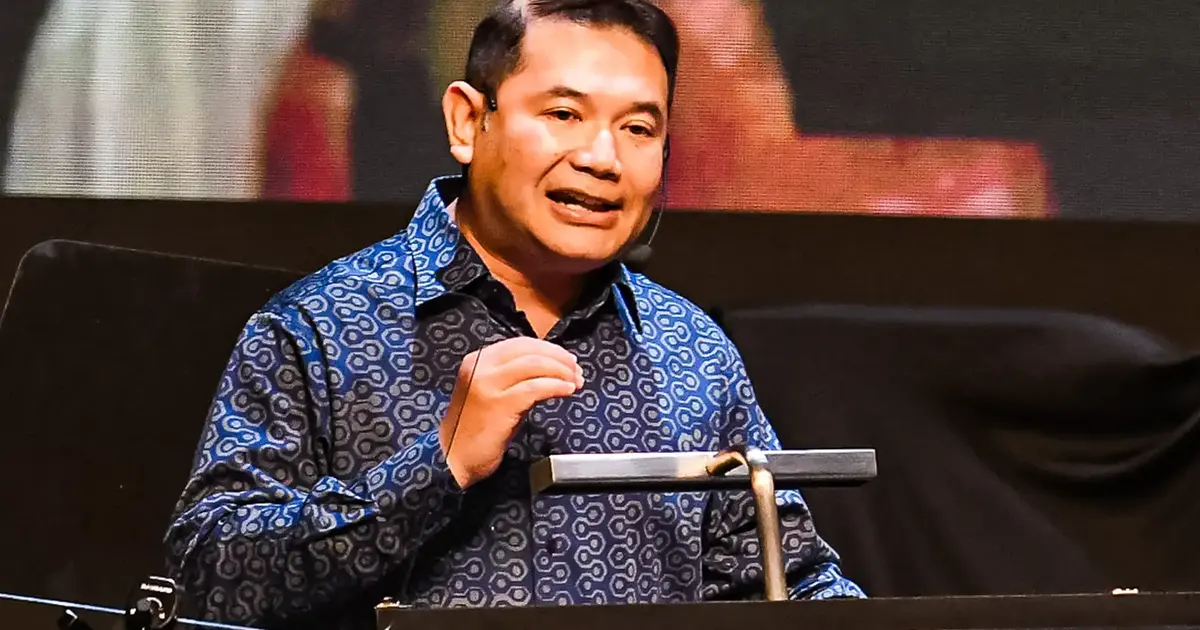
Parti Bersama Malaysia has wrapped up its candidate recruitment drive for the Johor state elections, drawing 73 volunteers willing to contest under the party banner. Party president Rafizi Ramli confirmed that the rigorous vetting process has been completed, paving the way for the formal announcement of the party's final slate of candidates scheduled for Friday.
The recruitment effort underscores Bersama's bid to establish itself as a credible electoral force in Johor, one of Malaysia's largest and politically significant states. The party's willingness to field a substantial number of candidates suggests confidence in its ability to compete across multiple constituencies, though the actual number of nominations will depend on strategic considerations and the party's assessment of winnable seats.
Rafizi Ramli's announcement marks a critical juncture in the party's electoral preparation. The completion of the selection process indicates that Bersama has moved beyond the initial phase of candidate recruitment and is now focused on finalising its political positioning ahead of campaigning. This timing allows the party sufficient runway to conduct proper background checks, vet qualifications, and ensure candidates align with party principles and policies.
The scale of volunteer interest reflects the broader landscape of Malaysian politics, where new or restructured political entities continue to attract hopeful candidates seeking representation. For Bersama, demonstrating broad-based support from individuals willing to contest is strategically valuable in countering perceptions that the party lacks grassroots mobilisation or viable candidates across diverse constituencies.
Johor's electoral significance cannot be overstated. As one of Malaysia's most developed states with a substantial urban population, the outcomes of state elections here often influence broader political sentiment. Any gains by emerging parties like Bersama would signal shifting voter preferences and could reshape the state's political dynamics, potentially affecting power-sharing arrangements and coalition possibilities at both state and national levels.
The candidate announcement on Friday will provide clarity on which constituencies Bersama intends to contest and the profile of its nominees. This information will be closely scrutinised by political analysts, rival parties, and voters seeking to understand Bersama's strategic priorities and resource allocation. The choice of which seats to contest reflects not merely ambition but realistic assessment of where the party's message and candidate profile resonate most strongly.
For Malaysian voters, the emergence of new political options in state elections represents opportunities to express preferences beyond established parties. Bersama's participation in Johor contests adds complexity to an already multi-cornered electoral contest, potentially fragmenting votes and creating unpredictable outcomes in closely contested constituencies.
The party's candidate pool of 73 individuals suggests diversity in terms of professional backgrounds and geographic representation. Bersama has positioned itself as a reform-minded party seeking fresh approaches to governance, so the quality and calibre of these candidates will be instrumental in determining voter reception and ultimate electoral performance.
Rafizi Ramli, the party leader, carries significant political history and credibility from his previous roles in Malaysian politics. His personal standing could influence both candidate morale and public perception of Bersama's electoral prospects. The formal announcement of candidates will also reveal whether the party has successfully attracted individuals with prior political experience or whether most nominees are newcomers to electoral contests.
The Friday announcement will initiate the formal phase of Bersama's campaign preparation in Johor. From this point, the party must effectively communicate its vision and policies to voters, deploy its candidates effectively across constituencies, and mobilise supporters to achieve electoral objectives. The success of this phase depends not only on candidate quality but also on the party's organisational capacity and financial resources.
Looking ahead, the Johor state elections will serve as a test case for Bersama's viability as a national political force. Performance in this significant state will likely influence the party's strategic direction in future elections and its attractiveness to potential coalition partners or political allies. For the broader Malaysian electorate, these contests provide an opportunity to assess how effectively new political movements can compete in the complex terrain of contemporary Malaysian politics.