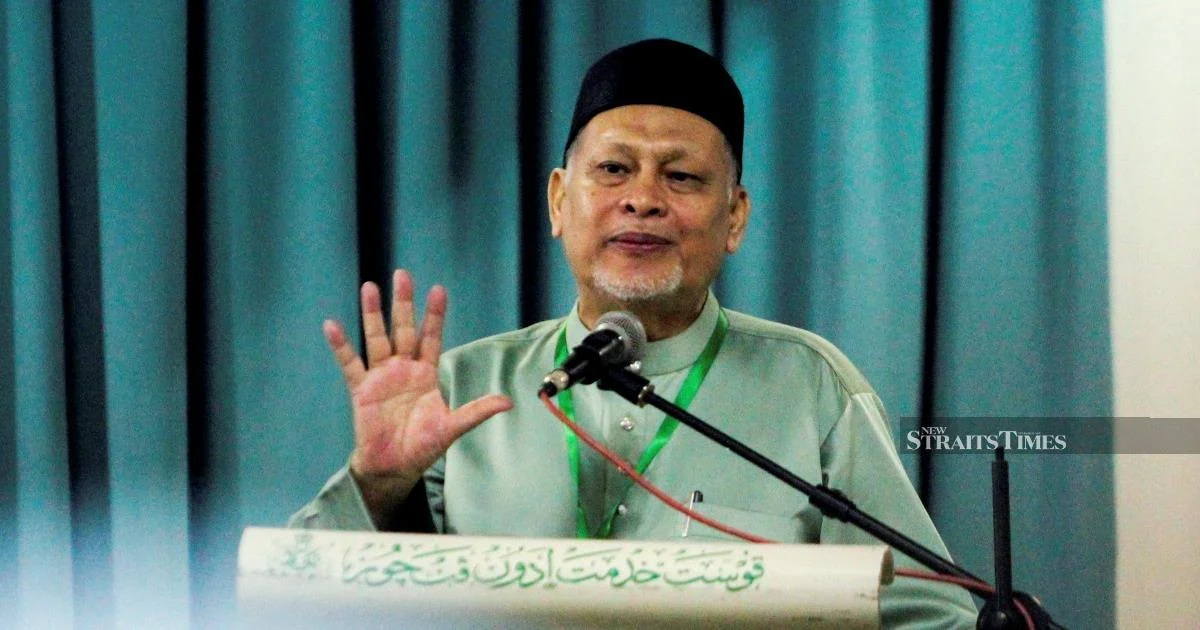
The Islamic party PAS has pushed back against Tan Sri Muhyiddin Yassin's recent pronouncement regarding the use of the Perikatan Nasional coalition logo by Bersatu in forthcoming state elections in Johor and Negri Sembilan, with party officials characterising the declaration as precipitous and potentially divisive within the broader opposition alliance.
The disagreement centres on whether such strategic decisions affecting the entire Perikatan Nasional coalition should be announced unilaterally by individual component parties, or whether they require consensus from all participating organisations. PAS leadership has suggested that Muhyiddin's statement, issued without prior coordination with allied parties, represents a departure from collaborative decision-making processes that traditionally govern coalition operations in Malaysian politics.
This friction between PAS and Bersatu reflects underlying tensions within Perikatan Nasional that have surfaced periodically since the coalition's formal establishment. While both parties maintain a shared commitment to the broader political alliance and their collective electoral objectives, disagreements about branding strategies, campaign direction, and resource allocation have occasionally created friction at leadership levels. The logo dispute appears symptomatic of these deeper structural challenges within the multi-party coalition.
The timing of the state elections in Johor and Negri Sembilan carries significant political weight across Malaysia's electoral landscape. These two states represent substantial voter populations and have historically served as bellwethers for broader national sentiment. Success or failure in these contests could substantially influence the coalition's positioning ahead of any future general election, making decisions about campaign presentation and visual branding far more consequential than they might initially appear.
For the Perikatan Nasional alliance, visual coherence and consistent messaging have been instrumental in consolidating voter recognition and building organisational unity across diverse party structures. The use of a unified coalition logo serves multiple functions: it reinforces the idea of a cohesive political force, distinguishes the alliance from rival coalitions, and provides logistical clarity for campaign operations. When individual parties deviate from agreed-upon branding protocols, it potentially undermines these unifying objectives.
The specificity of Muhyiddin's statement—naming Bersatu's intention to deploy the PN logo rather than its own party insignia—suggests he was seeking to emphasise the party's integral role within the larger coalition framework during these particular contests. However, PAS appears to have interpreted this move as an attempt to assert Bersatu's prominence within Perikatan Nasional without securing advance agreement from other coalition partners who would likewise be competing in these elections.
PAS itself must navigate complex strategic considerations in these state polls. As the coalition's largest component by membership and a substantial electoral force in rural and semi-urban constituencies, the party faces pressure to maintain organisational visibility while demonstrating loyalty to the broader Perikatan Nasional project. The tension between these objectives—showcasing party-specific branding versus unified coalition presentation—inevitably creates internal debate about optimal campaign strategy.
The broader context of Malaysian coalition politics suggests this disagreement reflects how difficult consensus-building remains among opposition parties attempting to present unified fronts against ruling coalitions. Barisan Nasional and its predecessors historically maintained stronger structural cohesion through institutionalised mechanisms and clearer hierarchies, whereas opposition coalitions in Malaysia have repeatedly struggled with formalising decision-making procedures and ensuring all components feel adequately consulted on major strategic matters.
For voters in Johor and Negri Sembilan, visible coalition discord could dampen enthusiasm for opposition alternatives or suggest weakness in organisational capacity. Malaysian voters have historically shown preference for parties and coalitions projecting confidence and operational competence. Public disagreements between senior figures in rival opposition organisations potentially reinforce narratives about disunity that incumbent governments have frequently exploited to their electoral advantage.
The resolution of this specific dispute will likely depend on whether Perikatan Nasional possesses functioning mechanisms for rapid internal consultation and conflict resolution. If coalition leadership can facilitate discussions that address PAS concerns while preserving Bersatu's strategic interests, the incident may serve as a reminder to formalise decision-making procedures rather than allowing major announcements to proceed without adequate notice to allied parties.
Moving forward, these state elections will provide crucial empirical evidence about whether Perikatan Nasional can effectively compete against Barisan Nasional and Pakatan Harapan despite these internal organisational tensions. The results will likely influence future coalition dynamics and shape perceptions about which opposition alliance possesses the cohesion and strategic clarity necessary to potentially govern at state or national levels.
Beyond the immediate electoral calculus, this disagreement underscores persistent structural challenges within Malaysian opposition politics. Sustainable coalition-building requires not merely electoral competitiveness but also institutional mechanisms ensuring that diverse party interests receive genuine consideration in strategic decision-making. The PAS criticism, whether fully justified or not, highlights these systemic vulnerabilities that opposition alliances must address if they aspire toward sustained political relevance and eventual governmental responsibility.

%22%2F%3E%3C%2Fpattern%3E%3C%2Fdefs%3E%3Crect%20width%3D%22100%25%22%20height%3D%22100%25%22%20fill%3D%22url(%23ph2hy9vg)%22%2F%3E%3Crect%20width%3D%22100%25%22%20height%3D%22100%25%22%20fill%3D%22url(%23ph2hy9vp)%22%2F%3E%3Ctext%20x%3D%2250%25%22%20y%3D%2250%25%22%20text-anchor%3D%22middle%22%20dominant-baseline%3D%22central%22%20fill%3D%22rgba(255%2C255%2C255%2C0.95)%22%20font-family%3D%22Georgia%2C%20'Times%20New%20Roman'%2C%20serif%22%20font-weight%3D%22700%22%20font-size%3D%22272%22%20letter-spacing%3D%22-0.02em%22%3EAnwar%3C%2Ftext%3E%3C%2Fsvg%3E)