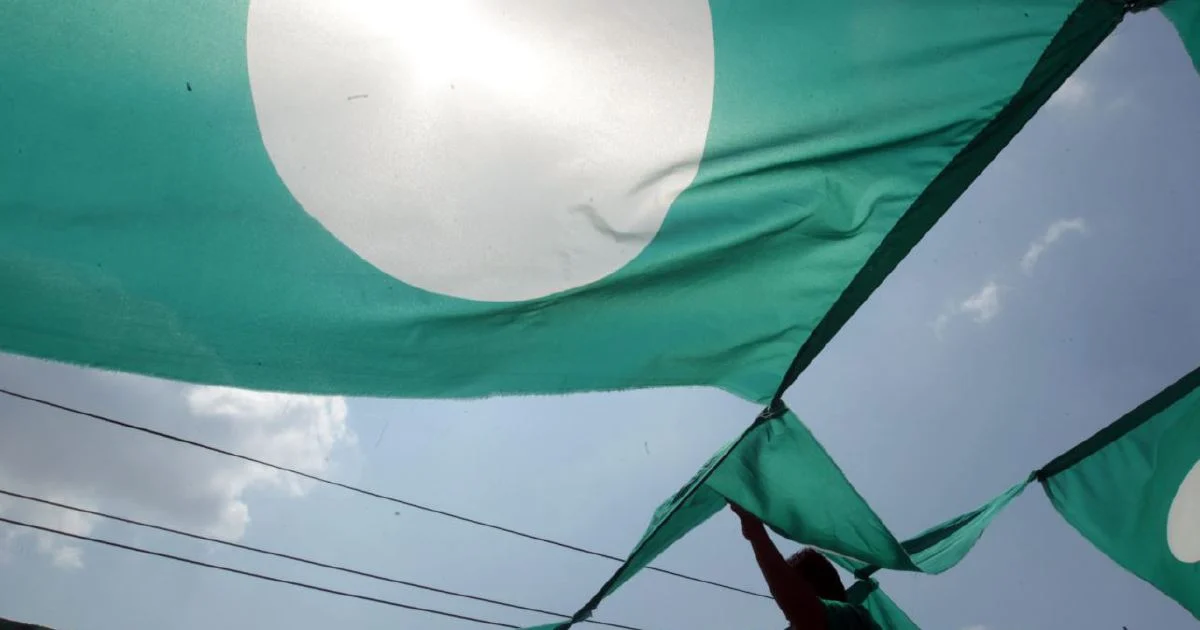
Senior figures from the Pan-Malaysian Islamic Party gathered at its Jalan Raja Laut headquarters in Kuala Lumpur today for a closed-door session of opposition members of parliament, according to multiple accounts from party insiders. The timing of the assembly reflects escalating tensions within Malaysia's fractured opposition coalition, particularly between PAS and Bersatu, its increasingly strained political partner. The emergency-style convening underscores the gravity of internal disagreements that have surfaced in recent weeks, signalling a potential recalibration of opposition unity ahead of critical parliamentary business.
Inter-party relations within the opposition bloc have deteriorated markedly over policy disputes and competing leadership ambitions. While PAS and Bersatu nominally operate within the same political ecosystem, their strategic visions have diverged on fundamental issues affecting their respective constituencies. The gathering of opposition lawmakers suggests efforts to coordinate messaging and align positions before public statements that might further expose their differences. Such closed-door meetings typically precede significant political moves or announcements, raising questions about the opposition's collective stance on urgent matters facing Parliament.
Bersatu's role within the opposition coalition has proven increasingly complicated. The party, which originally emerged from UMNO's fractious politics, has cultivated a distinct identity separate from its larger partners. Recent friction appears rooted in disagreements over leadership direction, parliamentary tactics, and the distribution of political influence within opposition structures. These tensions mirror broader dynamics within Malaysian politics, where personality-driven leadership often supersedes ideological coherence, creating unstable alliances vulnerable to sudden rupture.
For Malaysian readers, these developments carry substantial implications for legislative stability and the government's operational capacity in Parliament. Opposition cohesion directly affects the ruling coalition's ability to pass legislation and maintain executive authority. Fractures within the opposition, paradoxically, can both strengthen and weaken parliamentary governance depending on whether disaffected factions gravitate toward the government or carve out independent parliamentary positions. The current trajectory suggests neither scenario is assured, leaving MPs and observers uncertain about the political landscape's trajectory.
PAS itself commands considerable parliamentary representation and significant electoral support, particularly in rural and semi-urban constituencies across Malaysia's peninsular states. The party's stance within opposition structures carries outsized influence given its organisational capacity and voter mobilisation capabilities. Any realignment involving PAS would fundamentally reshape parliamentary arithmetic and could trigger cascading effects across other political parties as they reassess their strategic positions. The gathering today represents an opportunity for PAS leadership to consolidate internal views before public positioning.
The opposition's broader challenges extend beyond bilateral relations with Bersatu. Internal disagreements about the path forward, whether toward confrontation or negotiated settlements with the government, have created philosophical divisions cutting across multiple parties. Some opposition figures advocate for rigid opposition to government initiatives, while others recognise the political calculus sometimes requires selective cooperation on certain legislation. These tactical disagreements, often unspoken publicly, frequently determine the coherence or dysfunction of parliamentary opposition movements.
Regional observers watching Malaysian politics will note that opposition fragmentation creates governance opportunities for the ruling coalition. A weakened, fractious opposition cannot effectively mobilise parliamentary votes against government legislation or coordinate public campaigns around shared grievances. This dynamic particularly benefits governments with slim or uncertain majorities, as they can exploit opposition divisions to pass legislation that might otherwise face unified resistance. Conversely, opposition leaders understand that visible unity projects strength and encourages fence-sitting MPs to remain loyal rather than defect.
The specific agenda items discussed at today's meeting remain opaque, though insiders suggest parliamentary strategy regarding government bills and opposition amendments dominated discussions. Opposition members of parliament face constant pressure from constituents, party leadership, and intra-party factions regarding their voting behaviour on contentious issues. The coordination sessions allow leadership to provide guidance while gauging the appetite within the caucus for various tactical approaches. Such meetings often generate consensus around certain positions while acknowledging that individual MPs may occasionally deviate based on local constituency considerations.
Bersatu's internal dynamics compound these broader coalition difficulties. The party underwent significant transformation following leadership transitions and membership shifts that altered its political orientation. These changes created tensions with partners who expected consistency in policy positions and coalition behaviour. The resulting friction undermines the supposed strength of opposition numbers, as individual parties prioritise narrow self-interest over collective opposition objectives. This pattern repeats throughout Malaysian political history, suggesting structural incentives within the system reward defection and opportunism over sustained coalition discipline.
Looking forward, observers should monitor whether today's meeting produces unified public statements or whether PAS issues independent positions on critical parliamentary matters. The divergence between public messaging and private discussions often foreshadows subsequent political moves. If PAS leadership emerges from these discussions advocating positions substantially at odds with Bersatu's publicly stated stances, it may signal the beginning of a more formal separation within opposition structures. Conversely, if coordinated messaging emerges, it suggests the coalition endures despite surface-level tensions and personal friction among leadership figures.
The gathering also reflects the reality that Malaysian opposition politics remain heavily personalised around individual leaders rather than institutionalised around coherent party structures or ideological consistency. Hamzah and other senior figures wield substantial influence over their respective party directions, sometimes overriding formal party mechanisms in crucial decisions. This concentration of authority within individual leaders creates both opportunities for decisive action and vulnerabilities to sudden shifts based on personal disagreements or external political developments. The coming weeks will clarify whether today's meeting represents a step toward opposition consolidation or further fragmentation.

%22%2F%3E%3C%2Fpattern%3E%3C%2Fdefs%3E%3Crect%20width%3D%22100%25%22%20height%3D%22100%25%22%20fill%3D%22url(%23ph2hy9vg)%22%2F%3E%3Crect%20width%3D%22100%25%22%20height%3D%22100%25%22%20fill%3D%22url(%23ph2hy9vp)%22%2F%3E%3Ctext%20x%3D%2250%25%22%20y%3D%2250%25%22%20text-anchor%3D%22middle%22%20dominant-baseline%3D%22central%22%20fill%3D%22rgba(255%2C255%2C255%2C0.95)%22%20font-family%3D%22Georgia%2C%20'Times%20New%20Roman'%2C%20serif%22%20font-weight%3D%22700%22%20font-size%3D%22272%22%20letter-spacing%3D%22-0.02em%22%3EAnwar%3C%2Ftext%3E%3C%2Fsvg%3E)