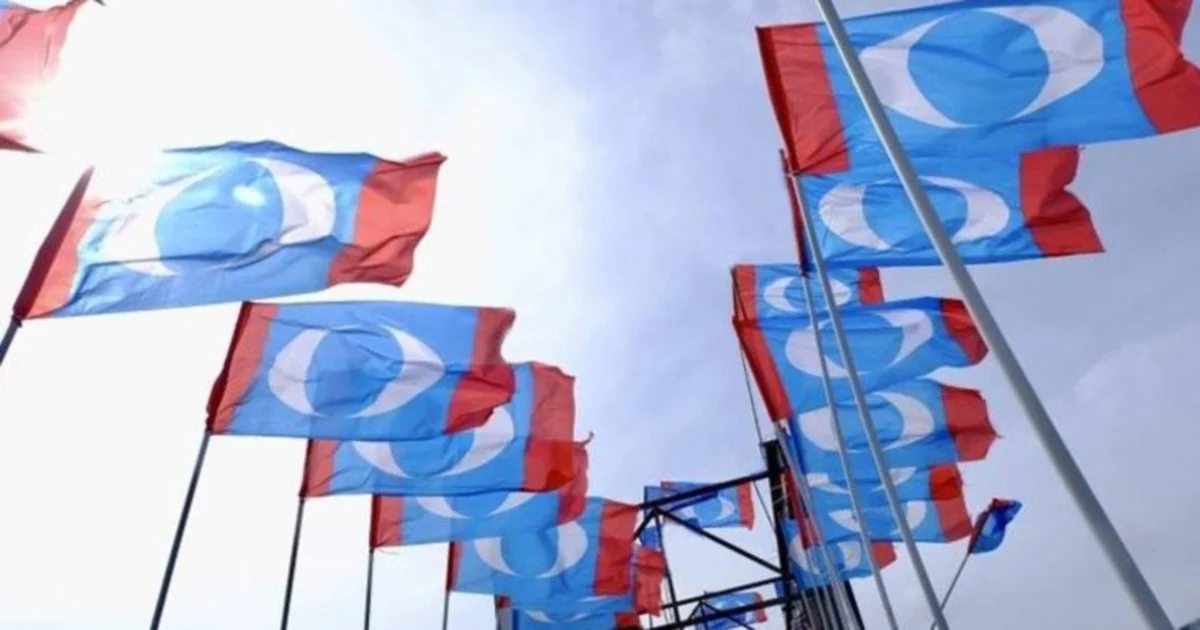
PKR's preparations for the upcoming Johor and Negri Sembilan state elections have reached an advanced stage, with party secretary-general Datuk Dr Fuziah Salleh confirming that the candidate roster is 99 per cent complete. The announcement signals that the People's Justice Party is moving swiftly through its internal vetting processes to field a competitive slate of contenders for both state legislatures, a critical step as the party seeks to maintain and potentially expand its influence in Peninsular Malaysia's political landscape.
The near-finalisation of PKR's candidate list comes as political activity intensifies across Malaysia's electoral calendar. Both Johor and Negri Sembilan carry significant weight within the broader coalition strategy of Pakatan Harapan, the opposition-led alliance that has maintained parliamentary strength despite setbacks in recent state-level contests. For PKR specifically, these two states represent important proving grounds where the party must demonstrate its grassroots organisational capacity and ability to recruit candidates who can compete effectively against entrenched rivals.
Johor, Malaysia's southernmost peninsula state, has long been a political battleground between competing coalitions. The state's diverse electorate spans urban centres around Johor Baru, industrial zones, and rural agricultural communities, each with distinct political preferences and concerns. PKR's performance here will largely determine whether the opposition can maintain relevance in a state where Barisan Nasional has traditionally held sway, making candidate selection particularly consequential for the party's electoral fortunes.
Negri Sembilan, sandwiched between Selangor and Pahah, presents a different strategic challenge. The state has historically exhibited more competitive two-way contests, and PKR competes here alongside both Barisan Nasional and other Pakatan Harapan partners including DAP and Amanah. The party's candidate choices will need to balance factional interests within the broader coalition while fielding individuals capable of resonating with the state's mixed urban-rural demographic.
The completion of candidate lists typically involves multiple layers of internal scrutiny. Party leadership must evaluate potential candidates' viability in their respective constituencies, including their track records, community connections, and ability to fundraise and mobilise supporters. For PKR, this process must also account for the party's commitment to promoting diverse representation, ensuring that women and younger candidates receive genuine opportunities to contest viable seats rather than token placements in unwinnable contests.
The 1 per cent remaining on PKR's candidate roster likely involves final confirmations or last-minute adjustments responding to unforeseen circumstances. In Malaysian politics, candidate lists occasionally shift due to health issues, personal reasons, or internal disputes that emerge during the vetting phase. Datuk Dr Fuziah's statement indicates that such outstanding matters are minimal and unlikely to derail the party's timeline for formal candidate announcements.
Timing considerations underpin the urgency of completing candidate lists. Election dates remain uncertain, as both state elections have not yet been officially called. However, political convention suggests that formal nomination periods typically occur weeks before polling day, meaning parties must have their candidates prepared and publicly vetted well in advance. PKR's near-completion suggests the party is positioning itself for either an imminent snap election or a deliberate early announcement designed to build campaign momentum and attract media attention before rivals do so.
The announcement also reflects PKR's position within Pakatan Harapan's collective electoral strategy. Coordination between coalition partners involves negotiating seat allocations and ensuring that candidate selections do not create internal conflicts. PKR's swift progress may signal that broader coalition discussions regarding seat distributions in these two states have substantially concluded, allowing individual parties to finalise their own internal processes.
From a broader political perspective, PKR's candidate finalisation matters for Malaysian governance. The party has positioned itself as a reform-oriented force emphasising institutional accountability and anti-corruption messaging. The calibre and diversity of candidates selected will determine whether this messaging translates into electoral gains or remains confined to rhetorical posturing. Johor and Negri Sembilan will provide early indicators of whether PKR can expand beyond its traditional support bases or whether it faces entrenched resistance.
For Malaysian voters in these two states, the emerging candidate lists will soon become visible political facts requiring evaluation. Constituents will assess whether proposed PKR candidates offer superior local representation compared to alternatives, whether they understand state-specific issues like Johor's maritime and agricultural concerns or Negri Sembilan's development priorities, and whether they represent genuine grassroots credentials or are merely parachuted into positions for factional reasons.
The finalisation of PKR's candidate roster also carries significance for other coalition partners and opposition forces. Barisan Nasional will use this information to calibrate its own candidate selections and campaign strategies, whilst DAP and Amanah will ensure their own lists complement rather than conflict with PKR's choices. These cross-party dynamics will ultimately shape the competitive dynamics in each contested state seat.
As PKR moves toward formal candidate announcements, the party faces the critical challenge of converting its organisational readiness into electoral success. Candidate quality alone does not guarantee victory, but fielding prepared, locally-grounded, and diverse contenders represents an essential foundation. The next phase will test whether these candidates can build sufficient campaign momentum and community engagement to translate party preparation into votes and seats.

%22%2F%3E%3C%2Fpattern%3E%3C%2Fdefs%3E%3Crect%20width%3D%22100%25%22%20height%3D%22100%25%22%20fill%3D%22url(%23ph2hy9vg)%22%2F%3E%3Crect%20width%3D%22100%25%22%20height%3D%22100%25%22%20fill%3D%22url(%23ph2hy9vp)%22%2F%3E%3Ctext%20x%3D%2250%25%22%20y%3D%2250%25%22%20text-anchor%3D%22middle%22%20dominant-baseline%3D%22central%22%20fill%3D%22rgba(255%2C255%2C255%2C0.95)%22%20font-family%3D%22Georgia%2C%20'Times%20New%20Roman'%2C%20serif%22%20font-weight%3D%22700%22%20font-size%3D%22272%22%20letter-spacing%3D%22-0.02em%22%3EAnwar%3C%2Ftext%3E%3C%2Fsvg%3E)