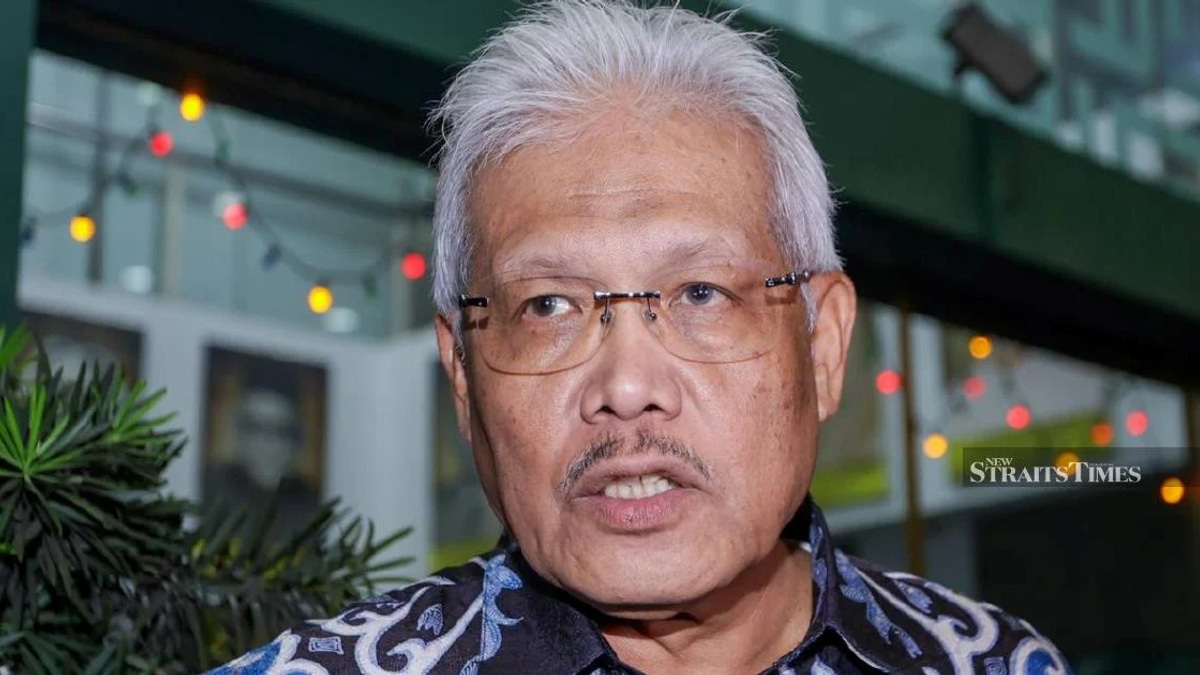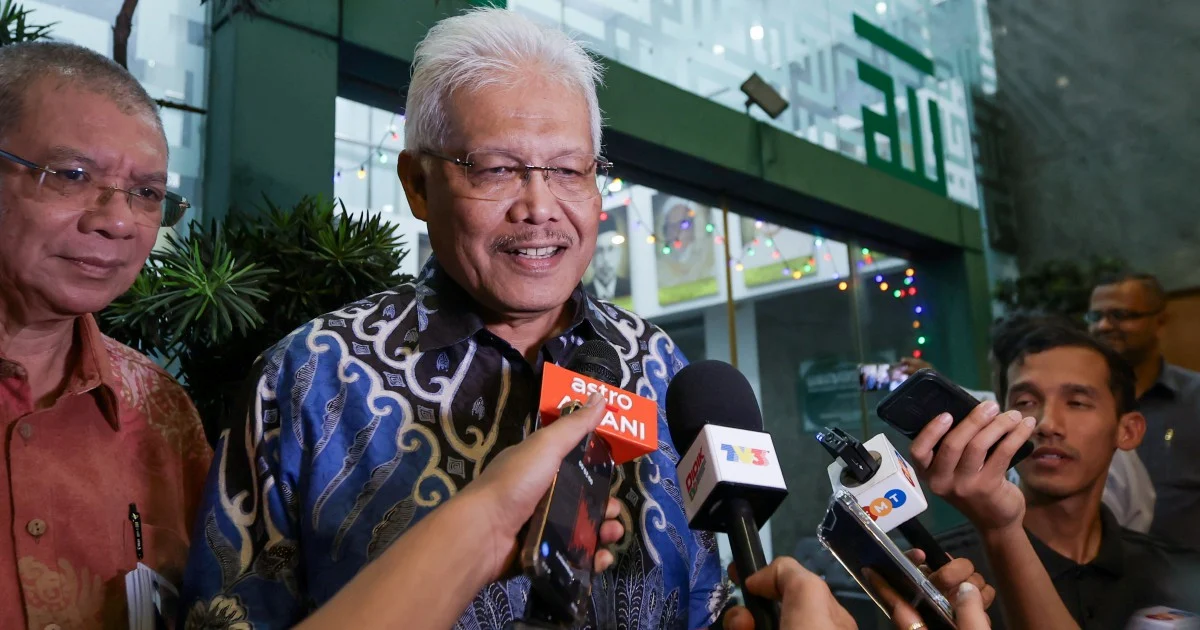
Perikatan Nasional has taken the formal step of reappointing Datuk Seri Hamzah Zainudin to his position as the parliamentary opposition leader, with chief whip Datuk Seri Takiyuddin Hassan submitting the necessary notification to the Dewan Rakyat Speaker's office in Kuala Lumpur. The submission represents the completion of official protocols required to confirm Hamzah's continued leadership of the opposition bloc in Parliament, solidifying the coalition's parliamentary presence as it navigates the complex political dynamics of the current Dewan Rakyat.
The reappointment underscores the stability within Perikatan Nasional's parliamentary operations, particularly as the coalition continues to position itself as a credible alternative to the ruling government. Hamzah, who carries extensive political experience from his previous roles in both government and opposition, brings institutional knowledge to the opposition benches at a time when parliamentary scrutiny has become increasingly significant in Malaysian politics. His reappointment signals that the coalition intends to maintain consistent leadership in its parliamentary affairs rather than undertake changes that might suggest internal instability.
Takiyuddin's role as chief whip demonstrates the structured approach Perikatan Nasional maintains in managing its parliamentary business. The chief whip position carries considerable responsibility for coordinating party discipline, ensuring attendance during key votes, and managing the logistics of parliamentary proceedings. By personally handling the reappointment notification, Takiyuddin has reinforced the procedural rigour that the coalition applies to its institutional roles, signalling that opposition business is being conducted with professionalism and attention to parliamentary conventions.
The formal notification process reflects the constitutional framework governing Malaysian Parliament, where the Speaker's office must be informed of key opposition appointments. This administrative requirement ensures that Parliament maintains accurate records of opposition leadership and facilitates proper communication channels between the government and opposition during parliamentary sessions. For Malaysian readers unfamiliar with these procedures, the notification serves as the official record that allows Parliament to recognise Hamzah as the legitimate spokesperson and leader of the opposition bloc.
For Perikatan Nasional, the reappointment carries broader significance beyond parliamentary protocol. The coalition has undergone considerable evolution since its formation, and maintaining leadership continuity in its parliamentary operations sends a message to both supporters and critics that the organisation maintains institutional coherence. In a political landscape marked by frequent shifts and realignments, such stability can be advantageous when establishing credibility with voters and potential coalition partners.
The opposition's role in Malaysian Parliament has grown in importance as the government faces increasing scrutiny over various policy decisions and spending initiatives. A well-organised opposition with clear leadership can hold the executive accountable through parliamentary questions, debate participation, and legislative scrutiny. Hamzah's reappointment thus affects not only Perikatan Nasional but the broader functioning of parliamentary democracy in Malaysia, as an effective opposition leadership enhances the quality of legislative oversight.
Regional observers often note that Southeast Asian democracies benefit from strong parliamentary opposition that provides genuine accountability mechanisms. Malaysia's experience illustrates this principle, where opposition leadership serves as a counterbalance to executive power. Hamzah's continued tenure allows Perikatan Nasional to maintain this critical function while sustaining the coalition's long-term political strategy.
The timing of this reappointment occurs within a broader context of Malaysian politics where coalitions have become increasingly significant. Rather than relying solely on individual parties, modern Malaysian politics has shifted towards bloc-based competition. Perikatan Nasional's formalisation of Hamzah's leadership reflects this structural reality, ensuring that the coalition presents a unified opposition face to voters and parliamentarians alike.
Looking ahead, Hamzah's continued leadership will shape how Perikatan Nasional engages with government legislation, participates in parliamentary debates, and coordinates opposition responses to policy announcements. His experience and institutional knowledge become particularly valuable during legislative sessions where technical expertise in parliamentary procedure and negotiation skills often determine whether opposition amendments or proposals gain traction.
The reappointment also carries implications for Perikatan Nasional's internal dynamics and future leadership succession planning. By confirming Hamzah in his role through formal notification, the coalition has closed the door on immediate speculation about potential leadership changes, allowing the coalition to focus on substantive political work rather than internal repositioning. This stability can enhance Perikatan Nasional's ability to develop coherent policy positions and coordinate messaging across its multiple component parties.
For Malaysian Parliament as an institution, such formalised reappointments reinforce the procedural legitimacy that underpins democratic governance. Regular adherence to constitutional requirements and parliamentary conventions strengthens public confidence in democratic institutions, even during periods of political competition. Takiyuddin's notification thus serves a function beyond the immediate coalition politics, contributing to the maintenance of democratic norms and institutional strength that benefit Malaysia's political system overall.