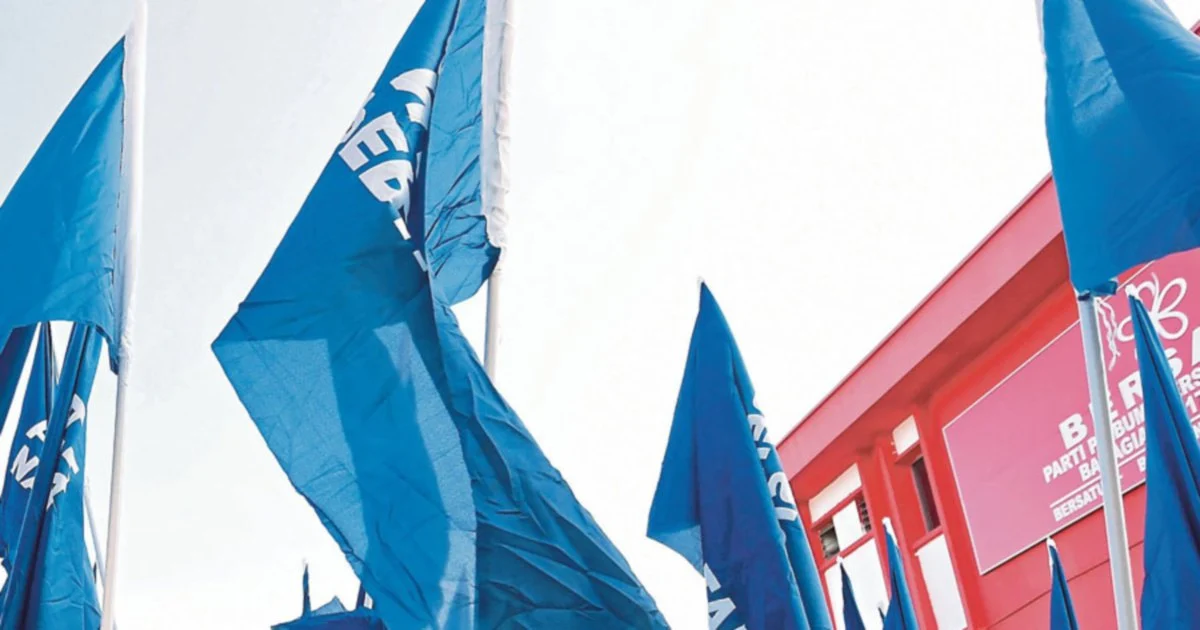
The political landscape in Malaysia could shift dramatically depending on how Perikatan Nasional resolves an emerging internal dispute centring on who holds ultimate authority over the coalition's electoral branding. Bersatu now faces a critical stumbling block: the party may be barred from contesting elections under the PN logo unless its candidates obtain explicit authorization from coalition chairman Datuk Seri Dr Ahmad Samsuri Mokhtar, according to political analysts tracking the coalition's governance structures.
This control mechanism represents far more than a procedural formality. Logo rights in Malaysian politics serve as tangible symbols of coalition legitimacy and voter recognition. When a coalition restricts logo access, it can fundamentally alter electoral prospects, particularly for smaller component parties that rely on coalition branding to boost candidate profiles and secure voter support. For Bersatu, which has been a central pillar of PN's formation and growth, such restrictions would constitute a significant political reversal with implications rippling across peninsular states.
The tension appears rooted in competing visions about how PN's decision-making apparatus should function. Coalition arrangements in Malaysia typically operate through power-sharing agreements that define how member parties allocate parliamentary seats, determine leadership positions, and manage shared resources like campaign imagery and party symbols. When such agreements lack clarity or when their interpretation becomes contested, constitutional uncertainty can create openings for dominant figures to exercise gatekeeping power. Dr Ahmad Samsuri Mokhtar's position as PN chairman has evolved into something approaching a chokepoint through which all candidate authorization must flow.
Bersatu's situation reflects broader vulnerabilities affecting coalition structures across Malaysia's political ecosystem. Unlike monolithic parties that control their own electoral destinies, coalition members surrender certain autonomies in exchange for collective bargaining power and electoral viability. When coalition headquarters wields discretionary authority over something as fundamental as candidate approval, smaller parties become vulnerable to marginalization. Historical precedents in Malaysian politics demonstrate repeatedly that vaguely defined approval mechanisms can become tools for consolidating power or punishing dissidents within coalition frameworks.
The implications for Bersatu extend beyond the immediate mechanics of candidate registration. The party's strategic positioning within PN could fundamentally change if leadership loses reliable access to the coalition banner. Bersatu has invested significantly in building electoral infrastructure and cultivating grassroots support on the assumption that candidates would compete under unified PN branding. Sudden restrictions could force the party to reconsider its coalition commitment entirely, potentially triggering broader realignments within PN itself. Other component parties watching this situation unfold will inevitably calculate how such restrictions might affect their own electoral prospects.
For Malaysian voters and the broader electorate, these internal coalition mechanics remain largely invisible until they produce concrete electoral consequences. When voters enter polling stations, they typically encounter candidate names and party logos that represent established political arrangements. What remains hidden are the internal negotiations, approval processes, and authorization requirements that determine which candidates actually reach ballots. The PN logo dispute pulls back this curtain, revealing how power concentrations within coalition structures can constrain candidate selection beyond what formal coalition agreements explicitly stipulate.
The timing of this dispute carries significance given Malaysia's electoral calendar. State elections across various jurisdictions occur at different intervals, creating staggered timelines for coalition candidate selections. How PN resolves the logo control question in one electoral cycle will establish precedents affecting subsequent contests. Should Dr Ahmad Samsuri Mokhtar's authority to approve candidates stand unchallenged, the chairman's position transforms into something resembling coalition kingmaker status. Future candidates will effectively require his blessing, fundamentally reshaping power dynamics within the coalition.
Bersatu's political trajectory over the past several years has been marked by organizational turbulence and leadership transitions. The party emerged as a significant force in Malaysian politics through Mahathir Mohamad's involvement and has since navigated complex coalition arrangements alongside PAS and other partners. Internal party management has at times proven contentious, with various leadership camps competing for influence. The current logo authorization dispute enters this already-fragmented context, potentially exacerbating internal party divisions if Bersatu members believe their candidates are being unfairly blocked from electoral participation.
Regional observers across Southeast Asia pay attention to how Malaysian coalition structures manage internal conflicts, as similar power-sharing arrangements operate throughout the region. The mechanisms through which PN navigates this logo dispute could offer lessons—positive or negative—for coalition management in neighboring countries. If PN demonstrates capacity for transparent resolution protecting minority coalition partners' interests, it models constructive coalition governance. Conversely, if concentration of logo control authority proceeds unchecked, it demonstrates how coalition frameworks can mask hierarchical power arrangements behind democratic rhetoric.
The resolution of this dispute may ultimately depend on whether Bersatu leadership chooses confrontation or accommodation with PN headquarters. The party could invoke coalition agreements explicitly guaranteeing candidate access to PN branding, challenge Dr Ahmad Samsuri Mokhtar's authority through PN's formal governance mechanisms, or negotiate a compromise preserving both his oversight role and Bersatu's practical access to coalition electoral identity. How Bersatu's leadership responds will signal whether the party views PN membership as strategically essential or increasingly burdensome.
Looking forward, this logo control battle underscores persistent tensions inherent in Malaysian coalition politics. Coalitions offer electoral advantages and governance stability but require members to accept constraints on autonomous action. When coalition headquarters exercises discretionary authority over fundamental electoral mechanics without transparent criteria or appeal mechanisms, member parties rightfully question whether coalition membership serves their interests. The PN situation presents an opportunity for Malaysian political analysts to examine whether coalition structures can be reformed to balance headquarters authority with component party autonomy.

%22%2F%3E%3C%2Fpattern%3E%3C%2Fdefs%3E%3Crect%20width%3D%22100%25%22%20height%3D%22100%25%22%20fill%3D%22url(%23ph2hy9vg)%22%2F%3E%3Crect%20width%3D%22100%25%22%20height%3D%22100%25%22%20fill%3D%22url(%23ph2hy9vp)%22%2F%3E%3Ctext%20x%3D%2250%25%22%20y%3D%2250%25%22%20text-anchor%3D%22middle%22%20dominant-baseline%3D%22central%22%20fill%3D%22rgba(255%2C255%2C255%2C0.95)%22%20font-family%3D%22Georgia%2C%20'Times%20New%20Roman'%2C%20serif%22%20font-weight%3D%22700%22%20font-size%3D%22272%22%20letter-spacing%3D%22-0.02em%22%3EAnwar%3C%2Ftext%3E%3C%2Fsvg%3E)