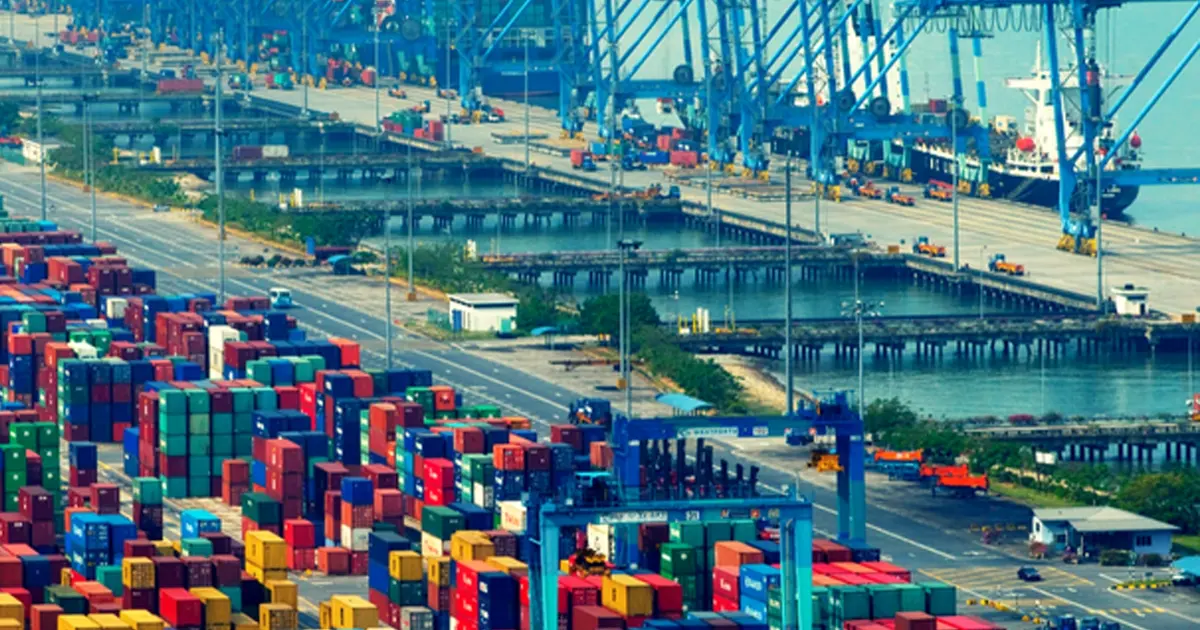
The Port Klang Free Zone has demonstrated considerable financial recovery, recording RM108 million in revenue as the scale of its operational reactivation has reached 86 per cent. Transport Minister Loke Siew Fook attributed this advancement to sustained initiatives that have gradually restored the facility's competitiveness over the preceding eighteen months, marking a significant turnaround from its earlier stagnation.
The 86 per cent reactivation milestone represents a substantial portion of the free zone's operational capacity returning to active use after years of underutilisation. This recovery reflects renewed confidence among port operators and international logistics companies in the facility's ability to serve regional trade networks. The measurement captures not merely physical reopening of warehousing and processing infrastructure, but also the restoration of operational systems, customs procedures, and commercial partnerships that had atrophied during the decline.
The RM108 million revenue figure demonstrates tangible economic gains flowing from the reactivation effort. These earnings encompass rental income from warehouse and office space, port handling charges, and administrative fees generated through goods processing and transshipment activities. For Malaysian policymakers, the revenue stream validates the investment and administrative attention directed toward Port Klang's modernisation, contributing to broader national port development objectives.
Port Klang's recovery holds particular significance for Malaysia's positioning within Southeast Asia's competitive logistics landscape. The facility functions as a crucial node connecting regional manufacturing zones with global supply chains, particularly for electrical and automotive components. Singapore and other regional ports actively compete for the same cargo volumes, making Port Klang's revival essential for retaining the country's share of containerised trade and adding-value logistics services.
The eighteen-month recovery trajectory indicates sustained momentum rather than temporary fluctuation. This consistency suggests that foundational improvements—potentially encompassing infrastructure upgrades, staffing adjustments, or procedural reforms—have taken root beyond initial announcements. Sustained performance improvements typically follow institutional restructuring or technological enhancements that address underlying operational bottlenecks rather than surface-level issues.
Loke's assessment of "steady, encouraging growth" implies a measured but positive outlook. The characterisation avoids hyperbole whilst signalling confidence, suggesting the transport ministry recognises challenges may persist but believes the underlying trajectory is sound. This measured language appeals to both business operators seeking stability and international partners evaluating port reliability for long-term investment.
The reactivation progress raises important questions about capacity utilisation benchmarks. An 86 per cent reactivation rate suggests approximately 14 per cent of facilities remain inactive, indicating either additional potential for expansion or possible constraints on reaching full deployment. Understanding whether remaining unutilised capacity represents deliberate strategic reserves, ongoing infrastructure improvements, or challenges in attracting users would clarify Port Klang's growth ceiling.
The port's recovery intersects with broader Malaysia-China economic ties, given Chinese shipping lines and freight forwarders constitute significant Port Klang users. Any expansion in reactivation reflects growing merchandise flows through the facility, suggesting sustained trade relationships despite periodic geopolitical tensions. The recovery also supports Malaysia's logistics ecosystem, creating employment across port operations, transportation, and customs-related services.
For regional context, Port Klang competes directly with major transhipment hubs including Port of Singapore, Port Tanjung Pelepas, and emerging facilities in Indonesia. Each facility pursues container traffic, automotive logistics, and high-value manufacturing exports. Port Klang's recovery gains meaning primarily when evaluated against these regional competitors' market share trajectories and investment in next-generation container handling systems.
The revenue and reactivation metrics warrant ongoing scrutiny regarding sustainability. Temporary cargo diversion, one-off projects, or seasonal fluctuations could temporarily inflate figures without establishing enduring operational foundations. Subsequent quarterly reports revealing whether reactivation holds at 86 per cent or continues progressing will signal whether current momentum reflects structural improvement or cyclical factors.
Loke's public statements appear calculated to reassure stakeholders invested in Port Klang's success whilst managing expectations around complete recovery. Malaysian shippers, customs brokers, and warehouse operators depend on port reliability for competitiveness; acknowledging steady progress rather than explosive growth demonstrates responsible stewardship of expectations whilst maintaining strategic confidence.
The Port Klang Free Zone's trajectory carries implications extending beyond port operations. Successful recovery enhances Malaysia's overall logistics competitiveness, supports government revenue collection through port-related taxation, and demonstrates the transport ministry's capacity to rehabilitate underperforming national assets. These factors collectively strengthen Malaysia's position within regional supply chains and justify continued government and private sector investment in port infrastructure modernisation.

%22%2F%3E%3C%2Fpattern%3E%3C%2Fdefs%3E%3Crect%20width%3D%22100%25%22%20height%3D%22100%25%22%20fill%3D%22url(%23ph2hy9vg)%22%2F%3E%3Crect%20width%3D%22100%25%22%20height%3D%22100%25%22%20fill%3D%22url(%23ph2hy9vp)%22%2F%3E%3Ctext%20x%3D%2250%25%22%20y%3D%2250%25%22%20text-anchor%3D%22middle%22%20dominant-baseline%3D%22central%22%20fill%3D%22rgba(255%2C255%2C255%2C0.95)%22%20font-family%3D%22Georgia%2C%20'Times%20New%20Roman'%2C%20serif%22%20font-weight%3D%22700%22%20font-size%3D%22272%22%20letter-spacing%3D%22-0.02em%22%3EAnwar%3C%2Ftext%3E%3C%2Fsvg%3E)