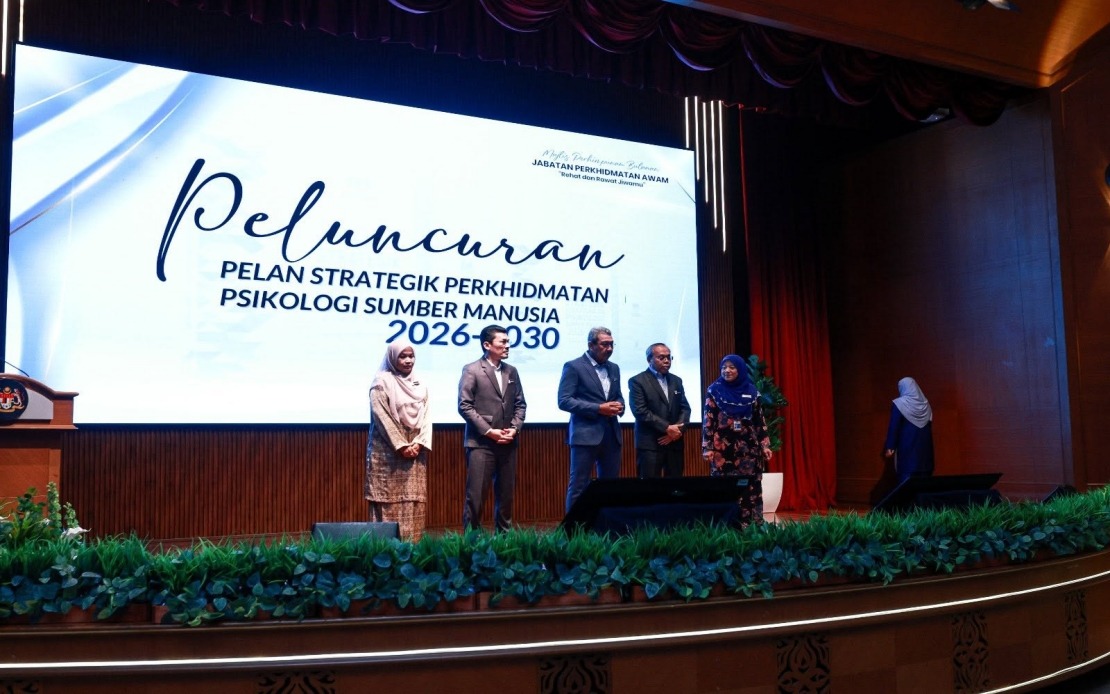
Malaysia's Public Service Department has launched an ambitious five-year strategic initiative designed to strengthen the psychological well-being of civil servants across the country. Unveiled at the department's June 2026 monthly assembly in Putrajaya, the Human Resources Psychology Services Strategic Plan 2026-2030 represents a significant commitment to addressing mental health within the public sector workforce. The plan encompasses 12 distinct strategies, 22 comprehensive programmes, and 48 measurable key performance indicators that together form a cohesive framework for improving psychological support services across government agencies. The launch, officiated by PSD Director-General Tan Sri Wan Ahmad Dahlan Abdul Aziz, carried the thematic message "R&R (Rest and Treat) Your Soul," signalling a cultural shift towards normalising mental health discussions in the workplace.
At the heart of the initiative lies the concept of "Treat," which encourages civil servants to take proactive steps in addressing psychological challenges rather than allowing issues to fester unaddressed. Tan Sri Wan Ahmad Dahlan emphasised that this approach requires employees to demonstrate courage in dismantling societal stigma around mental health, openly discussing their struggles, and actively seeking professional psychological support when necessary. This philosophy directly confronts the shame and misconception that have historically surrounded mental health interventions in many Asian workplaces, where seeking help has often been viewed as a sign of weakness rather than self-care. By positioning mental health support as a legitimate and necessary aspect of professional development, the PSD aims to transform workplace attitudes and create an environment where employees feel empowered rather than embarrassed to access psychological services.
The department articulated a foundational principle that organisational success is intrinsically linked to employee well-being. Through the message "The well-being of an organisation starts with the well-being of its people," the PSD acknowledges that a healthier workforce translates directly into improved public service delivery and greater government effectiveness. This recognition moves beyond rhetoric to institutionalise mental health as a strategic priority rather than an optional add-on to human resources management. The accompanying directive to "rest when you are tired and take care of your soul before it gets worse" reflects an understanding that preventive care is more effective and humane than crisis intervention, encouraging civil servants to prioritise self-care before psychological conditions deteriorate.
The "Rawat" intervention framework represents the operationalisation of the PSD's mental health philosophy. Rather than waiting for employees to reach crisis points, this proactive approach emphasises early identification and systematic support for mental health and well-being challenges. The framework integrates with the broader H.E.M.A.T work culture reform initiative, which has established five pillars including governance shift, public empathy, progressive mindset, innovation appreciation, and transparent administration. By embedding psychological support within this larger cultural transformation, the PSD positions mental health not as an isolated concern but as integral to creating a modern, employee-centred public service that attracts and retains talent.
For Malaysian civil servants, this strategic plan carries significant implications. Public sector employment in Malaysia involves substantial stress from political pressures, budgetary constraints, and high public expectations. Many government workers operate in roles that require emotional labour, crisis response, or management of sensitive social issues. A comprehensive mental health support system can substantially improve job satisfaction, reduce burnout, and enhance the quality of public service delivery that citizens receive. The plan's 48 key performance indicators suggest that the PSD intends to measure outcomes rigorously, ensuring that programmes remain effective and evolve to meet emerging needs rather than becoming bureaucratic exercises.
The regional context also matters significantly. Southeast Asian public sectors have historically lagged behind private industries in recognising mental health as a strategic workforce issue. Malaysia's proactive stance through this five-year plan positions the country as a regional leader in embracing psychological well-being as a governance priority. Other ASEAN nations facing similar civil service challenges may look to this initiative as a model for their own reforms, particularly as Southeast Asian economies compete for talent and modernise their public administrations.
The plan's emphasis on stigma reduction addresses a particular challenge in Asian societies where cultural factors may discourage help-seeking behaviour. By framing psychological support as normal, necessary, and professional, the PSD challenges deeply ingrained attitudes that mental health concerns represent personal failure. This cultural reframing is as important as the practical services themselves, as it determines whether employees will actually utilise available psychological support. The deliberate messaging around "courage" and "proactive intervention" transforms help-seeking from a passive, remedial action into an active, empowered choice.
Implementing 22 distinct programmes across the civil service presents substantial logistical and resource challenges. The department must train sufficient psychological practitioners, establish accessible support channels, develop crisis response protocols, and ensure that psychological services are distributed equitably across urban and rural government offices. The success of this initiative will depend not merely on policy design but on genuine resource allocation, management buy-in at departmental levels, and sustained commitment across political administrations.
Looking forward, the 2026-2030 period will reveal whether the PSD's ambitious framework translates into tangible improvements in civil servant mental health. The 48 key performance indicators will provide measurable data on whether stigma diminishes, whether psychological service utilisation increases, and whether civil servant well-being scores improve. These metrics matter because they will determine whether this initiative becomes a sustainable part of Malaysian public sector culture or remains a well-intentioned programme that fades as priorities shift.


%22%2F%3E%3C%2Fpattern%3E%3C%2Fdefs%3E%3Crect%20width%3D%22100%25%22%20height%3D%22100%25%22%20fill%3D%22url(%23ph2hy9vg)%22%2F%3E%3Crect%20width%3D%22100%25%22%20height%3D%22100%25%22%20fill%3D%22url(%23ph2hy9vp)%22%2F%3E%3Ctext%20x%3D%2250%25%22%20y%3D%2250%25%22%20text-anchor%3D%22middle%22%20dominant-baseline%3D%22central%22%20fill%3D%22rgba(255%2C255%2C255%2C0.95)%22%20font-family%3D%22Georgia%2C%20'Times%20New%20Roman'%2C%20serif%22%20font-weight%3D%22700%22%20font-size%3D%22272%22%20letter-spacing%3D%22-0.02em%22%3EAnwar%3C%2Ftext%3E%3C%2Fsvg%3E)