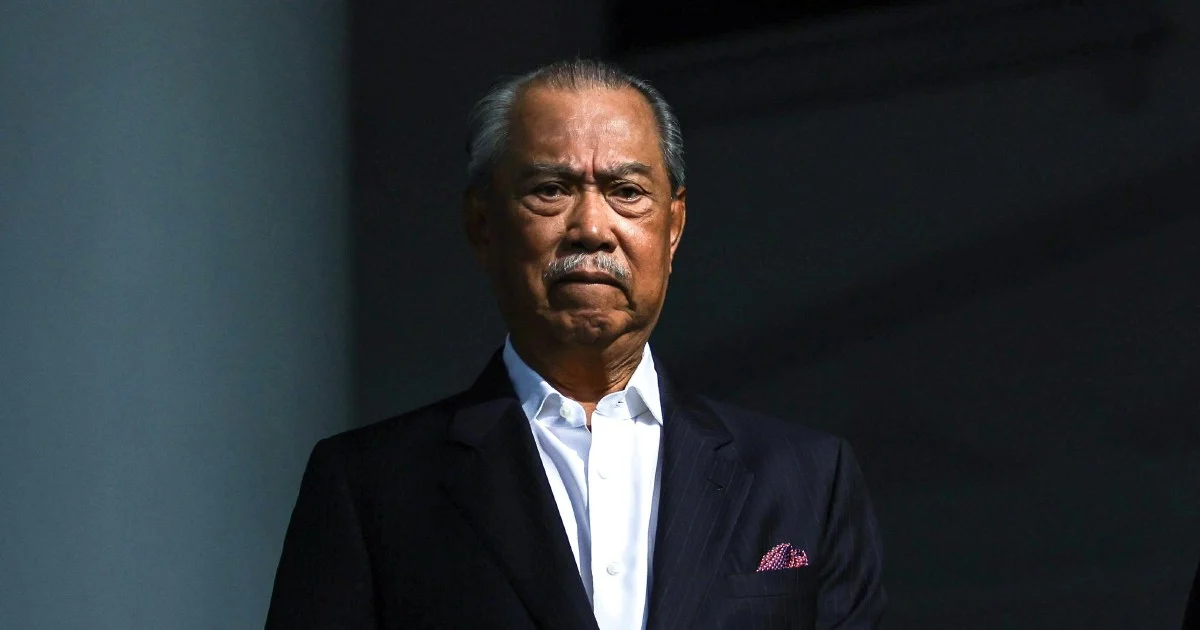
The Bersatu party faces continued financial strain after a court ruling has sustained the suspension of access to RM195 million sitting in the party's accounts. This legal decision represents a substantial constraint on the political organisation's ability to fund its operations, organise activities, and maintain its administrative infrastructure during a period already marked by internal turbulence and competing claims over party leadership and direction.
The frozen funds underscore the severity of the internal rupture afflicting Bersatu, one of Malaysia's significant political actors that has played crucial roles in recent coalition arrangements and government formations. The money, substantial by any measure, remains inaccessible pending the resolution of disputes concerning legitimate control and stewardship of the party's financial resources. This creates practical difficulties for party management, from paying staff salaries to financing grassroots engagement initiatives that are typically essential for maintaining party cohesion and electoral readiness.
Court proceedings that led to this decision have illuminated deeper tensions within Bersatu regarding succession, authority structures, and the interpretation of party constitution provisions governing asset control. Multiple factions within the party have advanced competing claims about who holds legitimate decision-making authority over party resources. The judicial intervention reflects the gravity of these internal conflicts and the absence of consensus mechanisms within the party to resolve disputes over financial stewardship without external legal arbitration.
The implications of this frozen-asset situation extend beyond Bersatu itself. Malaysian political observers note that financial constraints directly affect a party's capacity to function as a meaningful political force. Without ready access to operational funds, campaign preparation, member engagement activities, and organisational development initiatives become significantly more challenging. This comes at a time when Malaysian politics remains fluid, with various coalitions and political configurations still evolving following recent electoral dynamics and government formation processes.
For Malaysian political analysts, the situation highlights vulnerability points in how local parties manage internal governance during periods of leadership contestation. Robust institutional frameworks for resolving disputes, transparent financial administration, and clearly defined succession procedures could prevent situations where substantial assets become effectively immobilised. The Bersatu situation serves as a cautionary case study for other parties navigating similar leadership transitions or factional disagreements.
The court's decision to maintain the freeze suggests judicial assessment that legitimate grounds exist for suspending access pending clarification of who possesses genuine authority to deploy these funds. Whether this represents a temporary measure preceding a substantive resolution or a prolonged constraint remains unclear. The trajectory of upcoming legal proceedings will determine how quickly Bersatu might regain financial operational capacity and whether the broader internal disputes driving this situation can be satisfactorily settled.
Bersatu's position within Malaysia's coalition politics adds another dimension to this situation. The party has recently navigated changing alliances and shifting roles within government and opposition arrangements. Financial constraints during such periods of political recalibration could influence the party's negotiating position with potential coalition partners and its ability to maintain party discipline and member confidence. The frozen accounts thus represent not merely an accounting matter but a substantive constraint on political agency.
The party's leadership has expressed views on this situation, though public statements often reflect the factional divisions underlying the financial freeze. Some components within Bersatu argue the court action represents an unfair constraint on legitimate party operations, while others contend the freeze represents appropriate judicial caution pending clarification of governance legitimacy. These competing narratives themselves illustrate the depth of internal division that the frozen funds epitomise.
Moving forward, resolution could follow multiple pathways. Reconciliation between competing factions might produce agreement on unified party leadership and consequent unfreezing of accounts. Alternatively, court proceedings might eventually determine which faction possesses legitimate authority, leading to financial access for the victorious party faction. Extended freeze conditions represent the least desirable outcome for party functionality, though such prolonged constraint appears conceivable given the entrenched nature of existing disputes.
For Malaysian observers monitoring the political landscape, the Bersatu situation demonstrates how internal organisational failures can create practical constraints on political actors' capacity to participate fully in democratic processes. While courts appropriately intervene to prevent asset misappropriation or resolution of legitimate governance disputes, such interventions themselves carry opportunity costs when they restrict party operations. This tension between protecting legitimate interests and maintaining party functionality remains relevant as Malaysian politics navigates its ongoing evolution.


%22%2F%3E%3C%2Fpattern%3E%3C%2Fdefs%3E%3Crect%20width%3D%22100%25%22%20height%3D%22100%25%22%20fill%3D%22url(%23ph2hy9vg)%22%2F%3E%3Crect%20width%3D%22100%25%22%20height%3D%22100%25%22%20fill%3D%22url(%23ph2hy9vp)%22%2F%3E%3Ctext%20x%3D%2250%25%22%20y%3D%2250%25%22%20text-anchor%3D%22middle%22%20dominant-baseline%3D%22central%22%20fill%3D%22rgba(255%2C255%2C255%2C0.95)%22%20font-family%3D%22Georgia%2C%20'Times%20New%20Roman'%2C%20serif%22%20font-weight%3D%22700%22%20font-size%3D%22272%22%20letter-spacing%3D%22-0.02em%22%3EAnwar%3C%2Ftext%3E%3C%2Fsvg%3E)