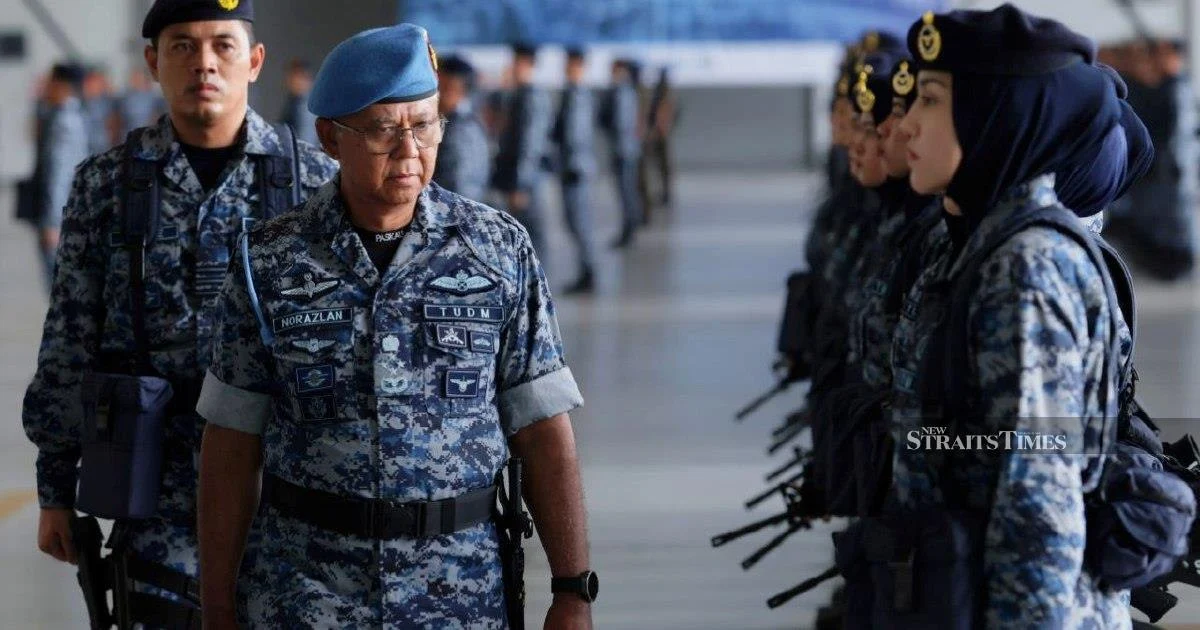
The Royal Malaysian Air Force is embarking on a modernisation drive that will integrate sophisticated unmanned aerial systems alongside conventional patrol aircraft to strengthen monitoring capabilities across critical regions of Malaysian airspace. The service branch has committed to deploying the Anka-S unmanned aircraft system alongside the P-72M maritime patrol aircraft, reflecting a strategic pivot towards technology-enabled border security and airspace defence.
This acquisition signals a deliberate expansion of RMAF's operational reach. The Anka-S system represents a leap forward in persistent surveillance capabilities, offering extended flight endurance and sophisticated sensor packages that enable continuous monitoring of vast territories without risking aircrew to hostile environments. The unmanned platform's ability to loiter for prolonged periods makes it particularly valuable for detecting irregular activities across Malaysia's extensive maritime zones and inland frontier regions.
The P-72M patrol aircraft, derived from proven naval reconnaissance designs, brings complementary strengths to the surveillance architecture. Equipped with advanced radar and sensor systems, the platform combines long-range capability with multi-role flexibility, allowing RMAF personnel to conduct anti-surface warfare, search and rescue operations, and maritime domain awareness missions from a single airframe. This multi-tasking capacity represents efficient resource utilisation within defence procurement constraints.
For Malaysian readers, the implications extend beyond military doctrine. Regional security challenges—from maritime incursions to transnational trafficking—demand enhanced visibility across air corridors and territorial waters. The South China Sea remains a zone of competing interests where surveillance capacity directly translates into sovereign capability. By strengthening airspace monitoring, Malaysia signals its commitment to exercising effective jurisdiction and deterring unauthorised activities within its Flight Information Region.
The timing of this modernisation reflects broader regional trends. Several Southeast Asian nations are upgrading unmanned systems capacity, creating a technological refresh cycle across military establishments. Malaysia's decision to procure Anka-S platforms aligns with regional contemporaries pursuing similar capabilities, ensuring interoperability and comparative operational competence. The investment prevents capability gaps that could emerge if neighbouring air forces advance more rapidly.
Operational deployment of unmanned systems presents training challenges that RMAF must address systematically. Personnel must develop expertise in remote operations, sensor interpretation, and data management across distributed command structures. The learning curve extends beyond technical competency to encompass tactical integration with existing manned platforms, requiring comprehensive doctrine development and exercises to optimise combined operations.
From an economic perspective, the acquisition supports Malaysia's defence industrial aspirations. While platforms originate from external suppliers, associated logistics, maintenance, and sustainment activities create opportunities for domestic capacity development. Eventual establishment of local support infrastructure generates employment and technological spillovers across aviation sectors.
The surveillance upgrade carries diplomatic significance in regional security conversations. Enhanced airspace monitoring demonstrates Malaysia's seriousness about border security obligations and strengthens its negotiating position in maritime disputes or bilateral aviation discussions. Countries that maintain visible, technologically advanced monitoring systems project credibility in defence cooperation forums and international maritime discourse.
Challenges remain in implementation. Integration of unmanned systems into an air force historically built around manned platforms requires organisational adaptation. Personnel selection, training pipeline development, and cultural adjustment towards autonomous systems represent implementation hurdles beyond procurement. RMAF must foster mindset shifts where unmanned capability is viewed as complementary strength rather than competitor to traditional aviation roles.
Budgetary sustainability merits consideration. Unmanned systems offer operational cost advantages through reduced fuel consumption and minimal life support infrastructure, yet acquisition costs for advanced platforms remain substantial. Malaysia must balance procurement ambitions against fiscal constraints and competing defence priorities, ensuring the Anka-S and P-72M programmes receive adequate funding for effective operational deployment.
The strategic payoff extends to intelligence gathering and disaster response. During natural disasters or humanitarian emergencies, unmanned aircraft provide rapid damage assessment and real-time situational awareness without deploying personnel into hazardous environments. This dual-use capability enhances Malaysia's national resilience across security and civilian contingency planning.
Regional partners will monitor RMAF's unmanned systems deployment closely. Operational lessons learned and integration successes will inform discussions within defence cooperation mechanisms. As Southeast Asia navigates increasing competition for airspace and maritime resources, Malaysia's surveillance modernisation contributes to regional strategic stability by ensuring effective monitoring that deters miscalculation.
Looking ahead, RMAF's commitment to unmanned systems and advanced patrol aircraft marks the beginning of sustained technological modernisation rather than a standalone acquisition. Future procurement decisions will likely expand this trajectory, potentially including armed unmanned platforms, additional maritime patrol variants, and network-centric warfare systems that integrate air defence and surveillance functions into unified operational architecture.

%22%2F%3E%3C%2Fpattern%3E%3C%2Fdefs%3E%3Crect%20width%3D%22100%25%22%20height%3D%22100%25%22%20fill%3D%22url(%23ph2hy9vg)%22%2F%3E%3Crect%20width%3D%22100%25%22%20height%3D%22100%25%22%20fill%3D%22url(%23ph2hy9vp)%22%2F%3E%3Ctext%20x%3D%2250%25%22%20y%3D%2250%25%22%20text-anchor%3D%22middle%22%20dominant-baseline%3D%22central%22%20fill%3D%22rgba(255%2C255%2C255%2C0.95)%22%20font-family%3D%22Georgia%2C%20'Times%20New%20Roman'%2C%20serif%22%20font-weight%3D%22700%22%20font-size%3D%22272%22%20letter-spacing%3D%22-0.02em%22%3EAnwar%3C%2Ftext%3E%3C%2Fsvg%3E)