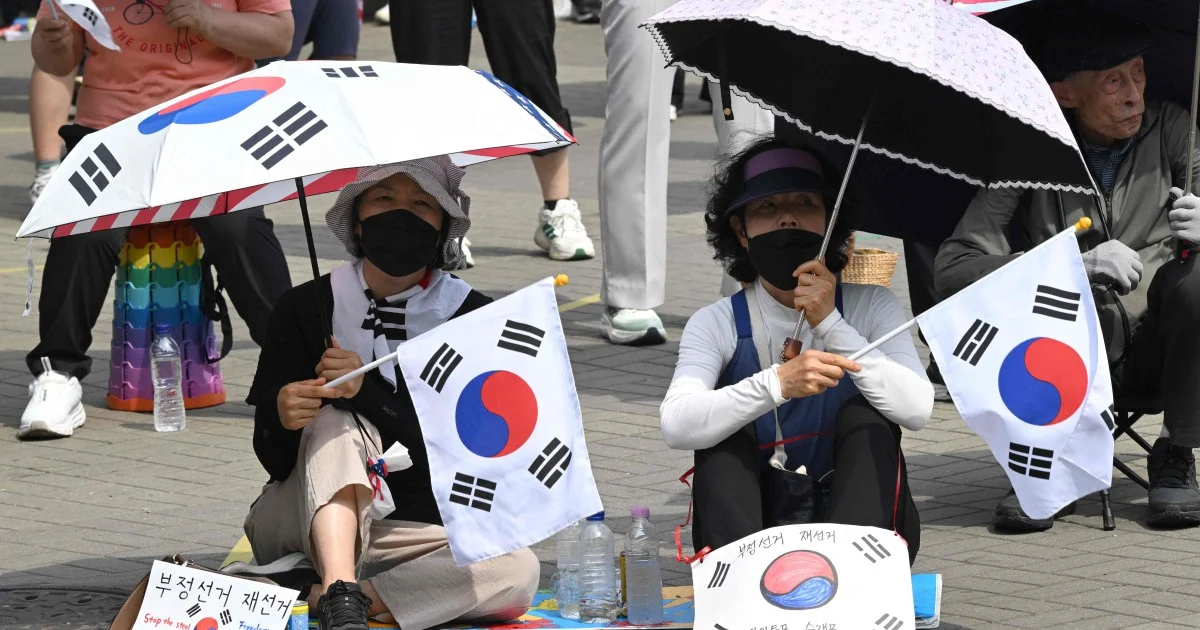
South Korea's parliament has formally launched a comprehensive parliamentary inquiry into the National Election Commission, responding to widespread frustration over ballot-paper supply failures that marred the June 3 local elections. The legislative body approved the investigation during Thursday's plenary session, allocating 45 days for the probe to examine what went wrong during one of the country's significant electoral events.
The ballot shortage episode represents a notable embarrassment for South Korea's election administration. As a mature democracy with considerable institutional experience, the country's failure to adequately supply voting papers in numerous constituencies raised immediate questions about planning, coordination, and contingency protocols within the election body. The shortages forced some voters to wait extended periods or encounter disruptions in their voting experience, undermining confidence in the electoral process at a moment when civic participation should be seamless and efficient.
The National Election Commission, as South Korea's principal institution responsible for overseeing electoral administration, now faces parliamentary scrutiny into the operational and logistical breakdowns that contributed to the shortage. The 45-day timeline suggests parliament views the matter with sufficient gravity to demand thorough examination, though still contained enough to preserve the commission's ability to prepare for upcoming electoral cycles. This duration signals an intent to move beyond superficial blame-assignment toward identifying systemic weaknesses.
Ballot paper requirements for a nationwide local election cycle are complex to calculate and distribute. The June 3 elections involved voting across multiple positions—local government seats, regional representatives, and potentially other offices—creating layered demands on supply chains and distribution logistics. That the National Election Commission struggled with these calculations indicates potential gaps in forecasting methods, warehouse management, or the coordination between central planning and regional election offices responsible for on-the-ground implementation.
For Southeast Asian observers and election administrators across the region, South Korea's experience offers cautionary lessons. Countries managing their own electoral systems must consider whether their supply chain planning for election materials—from ballot papers to envelopes and security features—incorporates sufficient redundancy and stress-testing. The technical complexity of ballot production, security printing requirements, and time-sensitive distribution creates vulnerability points that can cascade into serious problems if not carefully managed.
The parliamentary investigation will likely examine whether the National Election Commission underestimated voter turnout, miscalculated the number of ballots needed for each constituency, or encountered unexpected production delays from printers. Understanding whether the problem was one of demand forecasting, manufacturing capacity, or logistics will determine what recommendations parliament ultimately endorses. These distinctions matter because solutions vary fundamentally—forecasting improvements differ from supply chain resilience investments.
This inquiry also reflects broader democratic accountability principles that South Korea takes seriously. Parliament's willingness to investigate government institutions responsible for electoral integrity demonstrates the country's commitment to scrutinizing governance performance in matters central to democracy. The session's formal approval of the investigation, rather than quiet administrative review, signals that ballot shortages were serious enough to warrant public, legislative oversight—a message that electoral administration deserves transparency and accountability.
The timing of the investigation carries significance as South Korea prepares for future electoral events. By completing the inquiry within 45 days, parliament aims to generate findings and recommendations that can inform adjustments to election procedures before the next major polling cycles. Presidential elections, parliamentary elections, and local contests all depend on flawless administrative infrastructure, making this an opportune moment to remedy systemic deficiencies.
Regionally, South Korea's experience highlights how even developed electoral systems can encounter logistical disruptions if preparedness protocols weaken. Malaysia, Thailand, Indonesia, and other Southeast Asian democracies manage far larger and often more geographically dispersed voting populations, making reliable ballot supply even more challenging. How South Korea's investigation addresses its shortages may offer relevant benchmarks for regional election commissions assessing their own administrative readiness.
The investigation will also scrutinize whether communication between the National Election Commission and regional election bodies was adequate. Ballot shortages suggest possible mismatches between what central authorities believed they were distributing and what regional offices actually received or deployed. Such breakdowns often reflect inadequate coordination mechanisms or insufficient real-time visibility into supplies across distributed networks—problems that grow more complex as election geography expands.
Parliament's formal investigation sends a clear signal to the National Election Commission: electoral administration failures warrant serious consequences and mandatory institutional reform. By conducting public parliamentary inquiry rather than allowing administrative self-review, South Korea demonstrates that democratic institutions take ballot integrity and voting access seriously. The 45-day deadline creates pressure for timely resolution while allowing sufficient investigation depth.
As the inquiry proceeds, its findings will likely influence how election authorities across East and Southeast Asia approach supply chain management for future electoral events. Whether South Korea identifies the problem as forecasting failure, production bottleneck, or distribution mismanagement will offer valuable lessons for regional peers managing their own electoral infrastructure and seeking to prevent similar disruptions to democratic participation.

%22%2F%3E%3C%2Fpattern%3E%3C%2Fdefs%3E%3Crect%20width%3D%22100%25%22%20height%3D%22100%25%22%20fill%3D%22url(%23ph2hy9vg)%22%2F%3E%3Crect%20width%3D%22100%25%22%20height%3D%22100%25%22%20fill%3D%22url(%23ph2hy9vp)%22%2F%3E%3Ctext%20x%3D%2250%25%22%20y%3D%2250%25%22%20text-anchor%3D%22middle%22%20dominant-baseline%3D%22central%22%20fill%3D%22rgba(255%2C255%2C255%2C0.95)%22%20font-family%3D%22Georgia%2C%20'Times%20New%20Roman'%2C%20serif%22%20font-weight%3D%22700%22%20font-size%3D%22272%22%20letter-spacing%3D%22-0.02em%22%3EAnwar%3C%2Ftext%3E%3C%2Fsvg%3E)