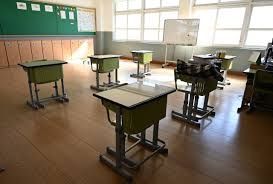
Authorities on South Korea's Jeju Island are conducting a criminal investigation into a high school student suspected of repeatedly violating a nearby elementary school and contaminating a teacher's classroom in ways that have caused significant emotional trauma to the educator. The Seogwipo Police Station confirmed on June 16 that the student had been apprehended following a series of disturbing incidents that unfolded over a two-month period beginning in April.
The first alleged occurrence took place in April when the student reportedly gained unauthorised entry to an elementary school campus situated adjacent to his own secondary institution. Once inside the targeted classroom, he is suspected of having contaminated a personal drinking tumbler belonging to the teacher. The violation went initially undetected, but the discovery of this incident prompted heightened vigilance at the school.
The situation escalated dramatically on June 4 when the same student allegedly returned to the classroom and urinated on the teacher's chair before departing quickly. This second incident proved to be the catalyst for formal intervention, as school authorities determined the pattern had become too serious to ignore and immediately escalated the matter to law enforcement. The deliberate nature of the acts and their repetition suggested a targeted campaign rather than isolated misconduct.
Investigators relied on security camera footage from the corridor outside the classroom to identify the suspect. The video evidence proved crucial in connecting the student to both incidents and enabled police to apprehend him on June 8. He now faces formal charges related to property damage and trespassing on school grounds. The CCTV system, a standard feature in most South Korean educational institutions, provided the documentary evidence necessary to move forward with prosecution.
During interrogation by police, the student denied any sexual motivation for his actions and claimed he had only entered the classroom while searching for a restroom. This explanation has been viewed with considerable skepticism by investigators and school officials, particularly given the calculated nature of the contamination and the fact that he returned to the same location after the initial incident. The student's account does not align with the circumstances surrounding his repeated access to a specific classroom and targeting of a particular teacher's personal belongings.
The emotional impact on the affected educator has been profound and sustained. According to statements from the Jeju Teachers' Union, the teacher has been unable to return to her classroom due to severe psychological distress stemming from the repeated violations. The emotional aftermath of such incidents extends well beyond the immediate physical violation, creating a hostile work environment and undermining the teacher's sense of safety and security in her own professional space. This psychological dimension of workplace violation is increasingly recognised in South Korean education policy discussions.
The teachers' union has publicly called for a comprehensive and thorough investigation, signalling institutional support for the educator and pressure on police to treat the matter with appropriate gravity. Educational unions across South Korea have become more vocal advocates for protecting teachers from harassment and assault in recent years, reflecting growing awareness that educators face various forms of misconduct from students. The union's intervention underscores how the incident affects not just the individual teacher but broader workplace safety concerns within the education sector.
Police investigators are pursuing multiple investigative angles simultaneously. Authorities are examining whether the acts constitute sexually motivated harassment directed at a specific individual, which would elevate the severity of potential charges beyond simple property damage. The pattern of targeting one teacher's personal space and belongings suggests deliberate selection rather than random misbehaviour. Additionally, investigators are preparing to seek search warrants for the student's mobile phone, computer, and other digital devices to determine whether there is evidence of premeditation or communication with others about these plans.
The case reflects broader concerns within South Korean society about safety in educational institutions and the vulnerability of teachers to student misconduct. While violent assault of teachers occasionally makes headlines, the forms of harassment documented here—invasion of personal space, contamination of belongings, and psychological harassment—represent more insidious threats that often go unreported or minimised. The fact that this incident was discovered and reported demonstrates evolving institutional awareness, though experts suggest many similar cases likely remain unreported.
For Malaysian observers and educators, this case offers cautionary perspective on the importance of robust institutional protocols for addressing student misconduct that crosses lines of personal violation and harassment. While the specific circumstances may seem extreme, the underlying pattern of targeted intimidation of an authority figure resonates with concerns raised periodically within Malaysian schools and universities. The incident also highlights how reliance on CCTV and digital evidence has become essential to investigating such allegations, ensuring that accounts of misconduct can be verified objectively rather than depending solely on witness testimony.

%22%2F%3E%3C%2Fpattern%3E%3C%2Fdefs%3E%3Crect%20width%3D%22100%25%22%20height%3D%22100%25%22%20fill%3D%22url(%23ph2hy9vg)%22%2F%3E%3Crect%20width%3D%22100%25%22%20height%3D%22100%25%22%20fill%3D%22url(%23ph2hy9vp)%22%2F%3E%3Ctext%20x%3D%2250%25%22%20y%3D%2250%25%22%20text-anchor%3D%22middle%22%20dominant-baseline%3D%22central%22%20fill%3D%22rgba(255%2C255%2C255%2C0.95)%22%20font-family%3D%22Georgia%2C%20'Times%20New%20Roman'%2C%20serif%22%20font-weight%3D%22700%22%20font-size%3D%22272%22%20letter-spacing%3D%22-0.02em%22%3EAnwar%3C%2Ftext%3E%3C%2Fsvg%3E)