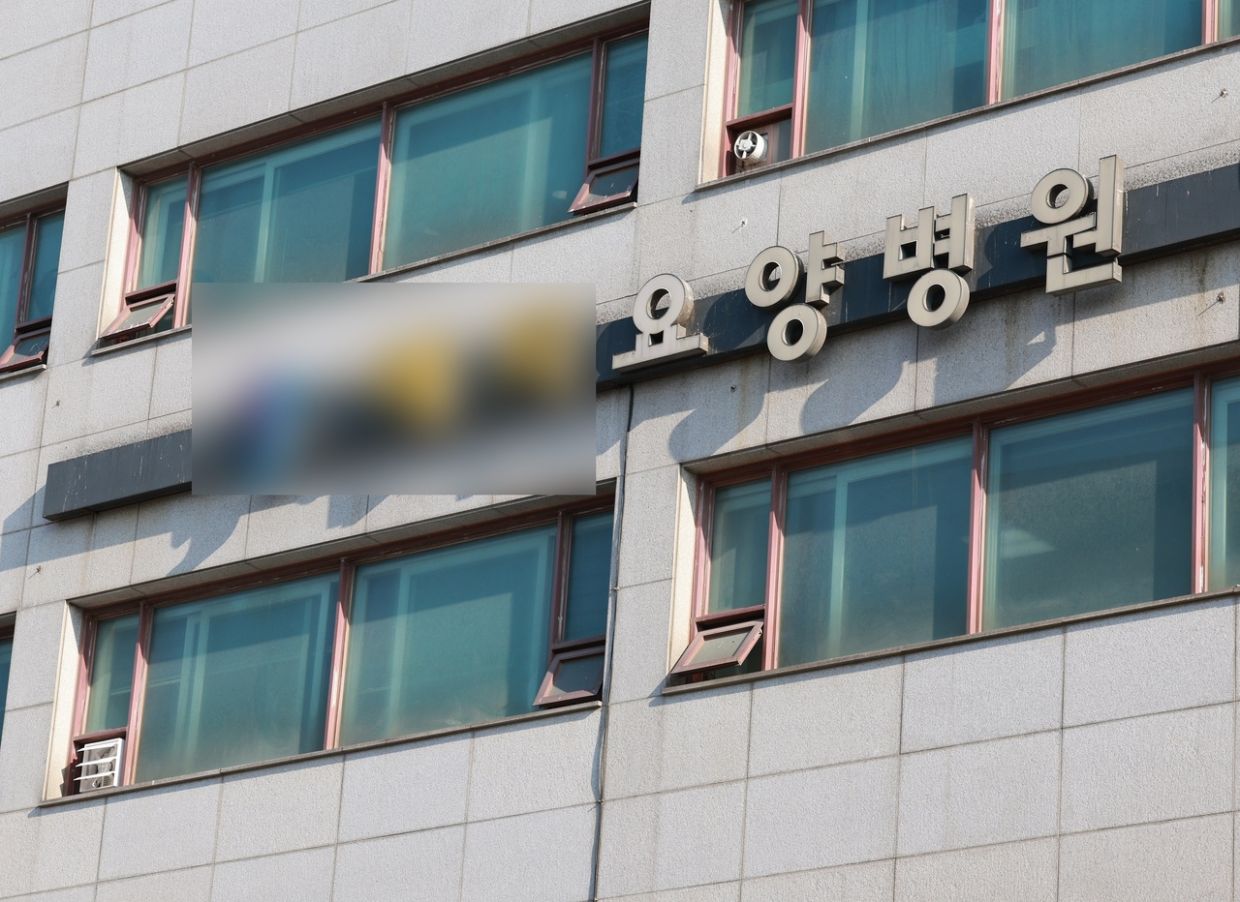
Police in Incheon have confirmed that a human leg recovered from a recycling facility last week was inadvertently thrown away by a nursing hospital as ordinary waste, resolving the initial mystery surrounding the grim discovery. The Incheon Yeonsu Police Station revealed on Friday that the limb, found on June 10 at the Southern Regional Resource Recovery Centre, had been amputated from an elderly female patient in her 80s receiving care at a healthcare facility in the Jung-gu district. The investigation, which began immediately after the discovery, has now shifted focus toward examining whether the hospital complied with South Korea's strict medical waste disposal regulations.
The circumstances leading to the disposal highlight a concerning lapse in institutional procedures. A member of the cleaning staff, aged in his 60s, removed the leg from the hospital's waste stream and placed it among recyclable materials, apparently believing it originated from a training mannequin rather than recognising it as human tissue requiring specialised handling. Although the limb had initially been classified as medical waste by hospital personnel, this designation failed to prevent its improper placement with general refuse destined for the recycling centre. The discovery occurred at approximately 2.28pm, triggering a formal police investigation that would eventually involve the National Forensic Service and multiple government agencies.
Forensic analysis played a crucial role in establishing the leg's origins and eliminating suspicions of criminal activity. The National Forensic Service first determined that the remains belonged to an adult, which prompted hospital officials to voluntarily report that the limb likely came from their facility. Subsequent DNA testing confirmed the connection definitively, matching the genetic profile to the female patient who had undergone amputation at the Jung-gu nursing hospital. This confirmation allowed investigators to rule out foul play and establish the incident as an administrative error rather than a crime involving bodily harm or homicide.
However, the absence of criminal intent does not shield the institution from legal consequences. South Korea's Wastes Control Act contains explicit provisions governing the disposal of medical waste, mandating that such materials be placed exclusively in government-designated containers rather than mixed with conventional refuse. The hospital's failure to maintain this separation represents a clear violation of established protocols designed to protect public health and prevent contamination of recycling streams. Investigators are now methodically examining whether the facility adhered to these mandatory disposal procedures and identifying which personnel bear responsibility for the procedural breakdown.
The investigation extends beyond waste management statutes to encompass broader healthcare regulations. Police are reviewing potential violations of the Medical Service Act related to the amputation procedure itself, as questions have emerged regarding the hospital's capacity to perform such operations. Allegations suggest the nursing facility may lack the necessary surgical equipment and infrastructure required for amputation procedures, raising concerns about whether the surgery was conducted in an appropriate medical environment. Authorities have not yet made definitive statements on this matter, indicating they are still gathering evidence and consulting with relevant professional bodies.
The complexity of determining applicable legal consequences reflects ambiguities within South Korea's regulatory framework. A police official acknowledged that the investigation team has yet to identify specific criminal penalties under the Medical Service Act that might apply to this situation. Rather than proceeding unilaterally, investigators are adopting a collaborative approach, indicating they will consult extensively with the Korean Medical Association, the Ministry of Health and Welfare, and legal experts before finalising their conclusions. This measured stance suggests that determining appropriate accountability may require clarification of legislative intent or potential amendments to existing statutes.
The patient's circumstances provide additional context for understanding how this situation arose. According to testimony from her family members, the woman was admitted to the Jung-gu nursing hospital after other medical institutions declined to accept her as a patient due to her rapidly deteriorating health condition. This background suggests the patient may have been in vulnerable circumstances, transferred to a facility that might have had limited capabilities specifically because more equipped hospitals were unwilling or unable to provide ongoing care. The family's acceptance of placement at a nursing facility despite potential limitations underscores the difficult choices available to relatives of elderly patients with serious medical conditions in South Korea's healthcare system.
This incident illuminates systemic vulnerabilities in South Korea's medical waste management protocols and institutional oversight. The fact that cleaning staff could unilaterally reassign medical waste from its designated stream suggests insufficient checks and balances exist at individual healthcare facilities. Many hospitals may rely too heavily on staff awareness and voluntary compliance without implementing physical barriers or technological systems that automatically prevent medical waste from entering general refuse streams. The incident demonstrates that even well-intentioned staff, faced with ambiguous waste items, may make errors with significant public health implications.
For Malaysian and Southeast Asian healthcare administrators, this case offers instructive lessons about the importance of robust waste management infrastructure. Regions throughout the area have implemented medical waste disposal systems, yet the Incheon case suggests that regulatory frameworks alone prove insufficient without accompanying investment in practical enforcement mechanisms. Healthcare facilities should establish colour-coded or physically separated waste containers that make reassignment difficult or impossible, implement mandatory staff training on waste categorisation, and establish regular audits to verify compliance. The incident also underscores the necessity of ensuring that patients receive amputation procedures only in facilities equipped with appropriate surgical capacity, rather than in nursing homes or facilities lacking specialised capabilities.
The investigation's ongoing nature means additional findings may yet emerge regarding institutional accountability and systemic failures. South Korean authorities appear committed to reaching comprehensive conclusions that address both the immediate waste disposal violation and the broader questions about the hospital's capacity to safely perform the procedures it offered. The outcome of consultations with medical associations and welfare authorities could produce guidance that strengthens oversight of similar institutions across the country. For patients and families navigating healthcare decisions in South Korea and the region, this case serves as a reminder of the importance of verifying that medical facilities possess appropriate capabilities and maintain rigorous safety protocols before accepting patient placement.

%22%2F%3E%3C%2Fpattern%3E%3C%2Fdefs%3E%3Crect%20width%3D%22100%25%22%20height%3D%22100%25%22%20fill%3D%22url(%23ph2hy9vg)%22%2F%3E%3Crect%20width%3D%22100%25%22%20height%3D%22100%25%22%20fill%3D%22url(%23ph2hy9vp)%22%2F%3E%3Ctext%20x%3D%2250%25%22%20y%3D%2250%25%22%20text-anchor%3D%22middle%22%20dominant-baseline%3D%22central%22%20fill%3D%22rgba(255%2C255%2C255%2C0.95)%22%20font-family%3D%22Georgia%2C%20'Times%20New%20Roman'%2C%20serif%22%20font-weight%3D%22700%22%20font-size%3D%22272%22%20letter-spacing%3D%22-0.02em%22%3EAnwar%3C%2Ftext%3E%3C%2Fsvg%3E)